
Can dogs wear sunscreen for tropical beach days

Introduction
Enjoying the sun-drenched beaches of the Dominican Republic with your canine companion is a hallmark of a perfect tropical vacation. However, the intense UV radiation found in tropical climates poses a significant health risk to pets, and the answer to whether dogs can wear sunscreen is a clear yes. Just like humans, dogs can suffer from sunburn, skin irritation, and long-term damage from prolonged sun exposure, especially if they have thin or light-colored fur.
Sunscreen for dogs is a preventive measure designed to protect sensitive areas from ultraviolet rays. Using the right protection is essential when spending long hours on the sand or near the water. This article explores whether dogs need sun protection, which areas are most vulnerable, and how to choose the right products to ensure a safe and enjoyable beach day for your pet.
Risks of sun exposure for pets

While we often associate sunburn with human skin, dogs are equally susceptible to solar damage. The skin on a dog's body serves as a vital barrier, and when it becomes inflamed due to UV exposure, it can lead to significant discomfort and health complications. In tropical environments, the sun's strength is amplified by the reflection of light off the white sand and the ocean surface, increasing the intensity of the rays hitting your pet, which is why UV protection for dogs matters even on overcast days.
Continuous exposure to high levels of UV radiation can lead to more than just temporary redness. Over time, chronic sun exposure can contribute to skin cell damage and may increase the risk of developing certain types of skin cancers, so dog skin cancer sun exposure should never be underestimated. Dogs with certain physical traits are at a much higher risk, including:
- Short-haired breeds: Breeds with very little hair provide minimal natural shade for the skin, and dogs with light coats sun protection is especially critical for them.
- Light-colored or white coats: Lighter pigmentation offers less natural protection against UV rays.
- Hairless breeds: Dogs without fur are extremely vulnerable and require constant vigilance.
- Thinning fur: Older dogs or those with skin conditions may have compromised natural shielding.
Vulnerable areas requiring protection
Not all parts of a dog's body are equally exposed to the sun. Even if your dog has a thick coat that covers most of their torso, specific anatomical regions are often left bare and are highly susceptible to burning, with sunburn on dogs nose being one of the most common complaints. When preparing for a beach day, focus your attention on these high-risk zones:
The nose and muzzle: The skin on the nose is often thin and lacks significant hair coverage, making it a primary site for sunburn. The ears: The tips and edges of the ears are frequently exposed to direct sunlight, especially in certain breeds. The abdomen: In many dogs, the hair is much thinner on the belly, leaving the skin exposed to reflected light from the sand. Around the eyes: The delicate skin surrounding the ocular area can be sensitive to heat and light.
Choosing the right sun protection
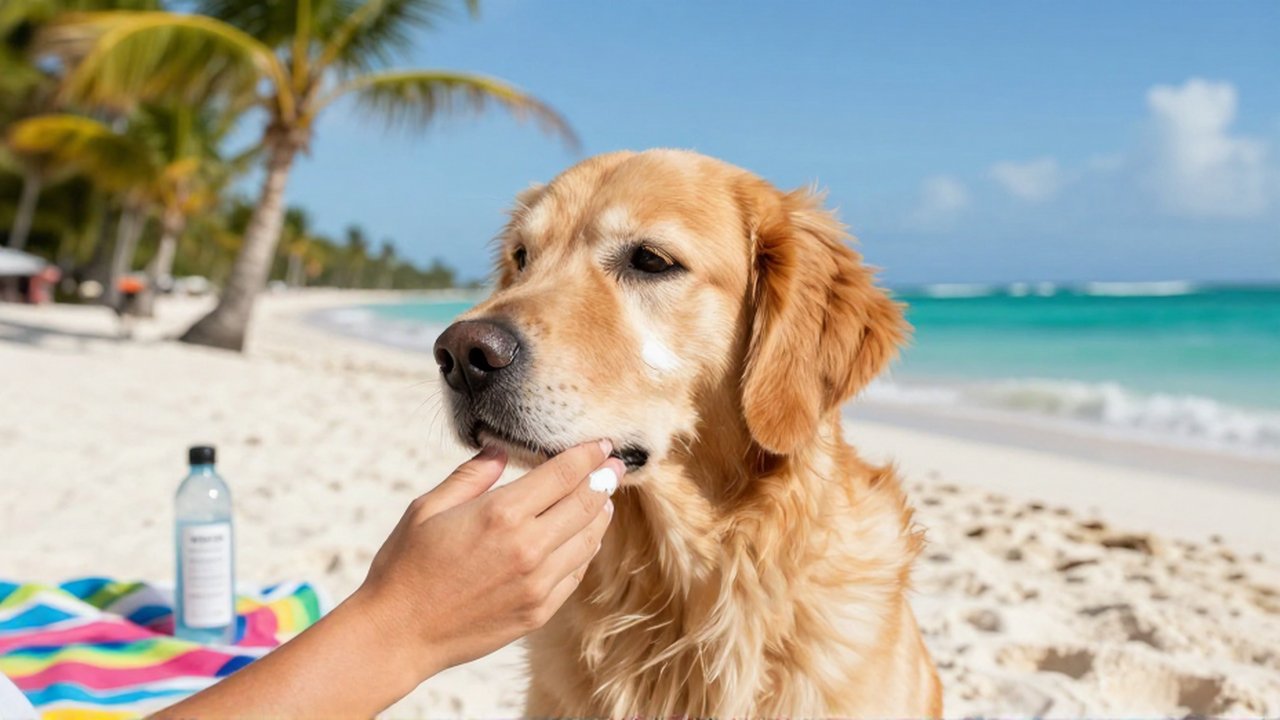
It is a common mistake to apply human sunscreen to a dog. Many human sunscreens contain ingredients such as zinc oxide or salicylates, which can be toxic to dogs if they lick the product off their skin, so learning to recognize dog sunscreen toxic ingredients is essential. Therefore, the most important rule is to use products specifically formulated for canine use.
When selecting a product, look for those that are non-toxic, easy to apply, and water-resistant, since a water resistant dog sunscreen holds up better during swims and sweat. A good canine sunscreen should be safe if a small amount is ingested through grooming. Some owners also find success using protective clothing, such as doggy swimwear or a dog UV shirt, which can provide a physical barrier in addition to topical creams.
| Protection Method | Primary Benefit | Ideal For |
|---|---|---|
| Canine Sunscreen | Targeted protection for nose/ears | All dogs, especially short-haired ones |
| UV Clothing | Physical block of sun rays | Dogs spending long periods in direct light |
| Shade Seeking | Temperature and UV regulation | All dogs during peak sun hours |
Best practices for beach trips
To ensure your pet remains healthy and comfortable in the tropical heat, combine sun protection with smart environmental management. Sunscreen is a great tool, but it is most effective when used as part of a broader safety strategy.
Avoid the most intense hours of the day, typically between 10:00 AM and 4:00 PM, when the UV index is at its peak. If you must be at the beach during these times, seek out natural shade under palm trees or use a beach umbrella. Always ensure your dog has access to plenty of fresh, cool water to prevent dehydration, which often accompanies sun exposure. Furthermore, keep an eye on the sand temperature; hot sand can burn a dog's paw pads just as easily as the sun burns their skin, so protect dog paws hot sand by testing the surface with your own hand before letting them walk.
Frequently asked questions
Can I use my own sunscreen on my dog? No, you should avoid using human sunscreen on pets. Many human products contain ingredients like zinc oxide that are toxic to dogs if ingested during grooming. Always use a safe sunscreen for dogs that is specifically labeled for canine use.
How often should I reapply sunscreen to my pet? For maximum effectiveness, sunscreen should be reapplied every time your dog goes for a swim or after several hours of continuous exposure. Check the specific instructions on the pet-safe product you have purchased.
Does a thick coat protect my dog from the sun? While a thick coat provides some level of shade, it is not a complete shield. UV rays can still reach the skin through gaps in the fur, and reflected light from the sand can affect areas like the belly and nose.
What should I do if I notice my dog has a sunburn? If your dog shows signs of redness, discomfort, or skin irritation, consult a veterinarian. They can provide guidance on dog sunburn treatment, soothing the skin, and determine if the burn is severe enough to require medical intervention.
Leave a Reply