
Can cats eat tropical fish from the Caribbean
Introduction
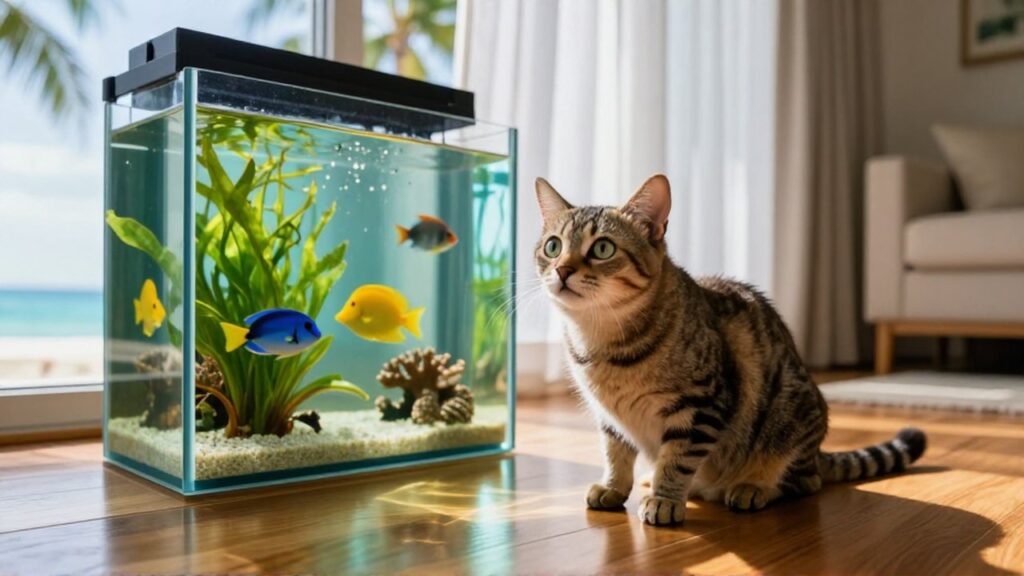
Many pet owners living in or visiting the Caribbean may wonder if the vibrant marine life found in local waters could serve as a natural treat for their feline companions. The question of whether cats can eat tropical fish involves understanding the nutritional value of seafood versus the significant biological risks present in many Caribbean species. While fish is a common ingredient in commercial pet food, not all fish are suitable for domestic consumption, and the answer depends heavily on species, preparation, and origin.
Determining the safety of feeding tropical fish to cats requires a careful look at caribbean reef fish toxicity, parasites, and bone structure. In a tropical environment like the Dominican Republic, where diverse marine life thrives, it is easy to mistake a colorful, aesthetically pleasing fish for a safe snack. However, many species found in coral reefs possess natural defenses that are highly dangerous to small mammals.
Evaluating these risks is essential for responsible pet ownership. Providing the wrong type of seafood can lead to immediate poisoning or long-term health complications. This article explores the biological considerations, potential hazards, and safer alternatives when introducing fish into a cat's diet.
Nutritional profile of fish for cats
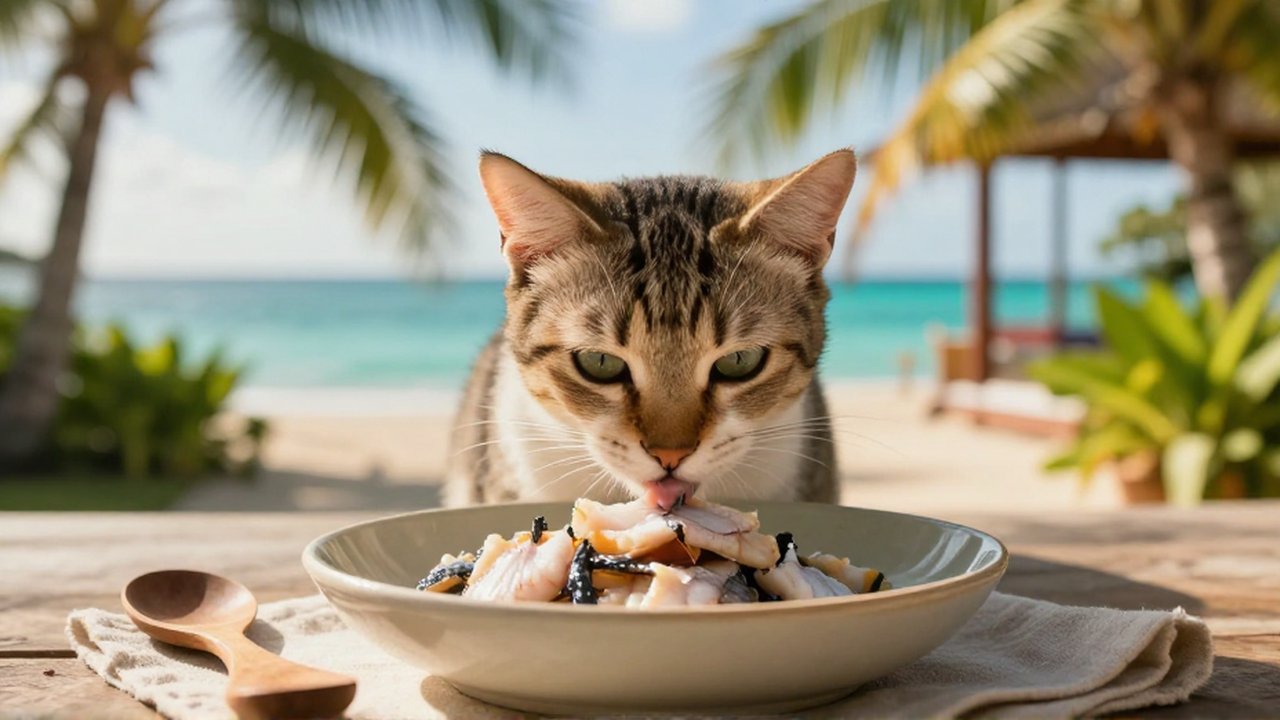
Fish can be an excellent source of high-quality protein, omega-3 fatty acids, and essential vitamins for cats. These nutrients support healthy skin, a shiny coat, and cognitive function. However, the benefits of fish depend entirely on the species and how it is prepared, which is why identifying safe fish for cats matters more than the fish itself.
In a controlled setting, certain types of fish provide a concentrated source of taurine, an amino acid that is critical for feline heart and eye health. When fish is used as an occasional treat or a supplemental ingredient in a balanced diet, it can enhance palatability and provide variety. The key is ensuring that the fish is sourced from safe, non-toxic species and is free from contaminants commonly found in tropical waters, with cooked fish for cats being the only reliable option.
Biological risks of Caribbean tropical fish
The primary reason to avoid feeding cats raw or unprocessed tropical fish from the Caribbean is the presence of natural toxins. Many reef fish have evolved chemical defenses to protect themselves from predators, and some tropical fish poisonous to cats can cause harm even in small amounts.
Some species contain compounds that, if ingested, can cause severe gastrointestinal distress, neurological issues, or even death in cats. For example, certain pufferfish and similar species contain tetrodotoxin, which is extremely lethal to pets; tetrodotoxin in reef fish is one of the most potent marine neurotoxins known. Even if a fish does not appear "poisonous" in a traditional sense, the high concentration of specific oils or heavy metals in certain reef dwellers can be harmful.
Another significant concern is the presence of parasites. Tropical waters are home to various marine parasites that can attach to fish, and raw fish parasites can transfer to a cat that consumes an uncooked catch, leading to internal infections that are difficult to treat.
Common hazards in marine seafood

When considering seafood for pets, owners should look beyond simple toxicity and consider the physical and chemical properties of the food, since fish bones can cause internal injury even in otherwise healthy cats.
Physical dangers
- Bones: Small, sharp bones found in tropical fish can puncture a cat's esophagus, stomach, or intestines.
- Choking hazards: The structure of certain tropical species may make them difficult for a cat to swallow safely.
Chemical and environmental dangers
- Heavy metals: Many marine animals accumulate mercury and other heavy metals through the food chain. High levels of mercury in fish can lead to neurological damage in cats, so heavy metals in fish should be weighed against the mercury risk of each species.
- Thiaminase: Some raw fish contain an enzyme called thiaminase, which breaks down thiamine (Vitamin B1). A thiamine deficiency in fish-heavy raw diets can lead to serious neurological symptoms in felines, so thiaminase in raw fish is a real concern for cat owners.
| Risk Factor | Potential Consequence | Prevention Method |
|---|---|---|
| Natural Toxins | Poisoning or death | Avoid unknown/wild reef fish |
| Parasites | Internal infections | Cook fish thoroughly |
| Small Bones | Internal injury/perforation | Debone completely |
| Heavy Metals | Long-term toxicity | Limit high-mercury species |
Safe ways to provide fish to cats
If you want to include fish in your cat's diet, it is best to avoid "wild-caught" tropical reef fish entirely. Instead, follow these feeding fish to cats guidelines to ensure safety:
- Use commercially prepared food: The safest way to provide fish is through high-quality cat foods that use processed, tested, and deboned fish ingredients.
- Cook thoroughly: If you are providing fresh fish, it must be cooked (steamed or boiled) to kill potential parasites. Never feed raw tropical fish to a cat.
- Remove all bones: Even after cooking, ensure every single bone is removed to prevent internal lacerations.
- Choose low-mercury options: Stick to fish known to be lower in heavy metals, such as sardines or salmon, provided they are prepared correctly; sardines for cats are a safe and affordable choice when canned in water without added salt.
- Moderation is key: Fish should be a treat or a component of a diet, not the sole source of nutrition, to avoid nutritional imbalances.
Frequently asked questions
Can my cat eat fish they found near the beach? No. Fish found near the shore or in tide pools may be decaying, contain high levels of bacteria, or be toxic species. Always prevent your cat from scavenging near the ocean.
Is cooked fish better than raw fish for cats? Yes. Cooking fish eliminates the risk of parasites and many types of bacterial infections. However, fish should be cooked without added salt, garlic, onions, or oils, as these can be toxic to cats.
What should I do if my cat eats a toxic fish? If you suspect your cat has ingested a poisonous fish or an unknown marine creature, contact a veterinarian immediately. Do not wait for symptoms to appear, as some toxins act very quickly.
Can I feed my cat tuna from a can? In very small amounts, plain tuna in water (not oil) can be a treat. However, canned tuna for humans often contains high levels of mercury and added sodium, which is not healthy for cats if consumed regularly.
Leave a Reply