Steps for adopting a cat from local shelters

Introduction
Adopting a cat from a local shelter is a transformative process that provides a second chance to an animal in need while helping to reduce the burden on rescue organizations. The cat adoption process is designed to ensure that the placement is permanent, safe, and suitable for both the feline and the new owner. Understanding the specific stages of adoption allows prospective pet parents to prepare their homes and lifestyles effectively, ensuring a smooth transition for their new companion.
Choosing to adopt rather than purchase is a responsible decision that supports animal welfare initiatives. It requires patience, research, and a commitment to long-term care. By following a structured approach, you can navigate the requirements of different shelters and find a cat whose personality and energy levels align perfectly with your household dynamics.
Assessing your lifestyle and home environment
Before visiting a shelter, it is crucial to conduct an honest self-assessment. Cats vary significantly in terms of temperament, age, and activity levels. A highly energetic kitten requires much more engagement and vertical space than a calm, senior cat. You must consider your daily schedule, your living space, and whether you have other pets or children in the home, as these factors shape the requirements for adopting a cat that will thrive in your household.
Evaluate your ability to provide consistent care, including nutritional needs, regular veterinary visits, and mental stimulation. Consider the financial commitment involved in long-term ownership, such as food, litter, unexpected medical expenses, and grooming. Understanding these factors beforehand prevents the heartbreak of realizing a cat is not a good fit for your current lifestyle after the adoption is finalized.
Researching local shelters and rescue organizations
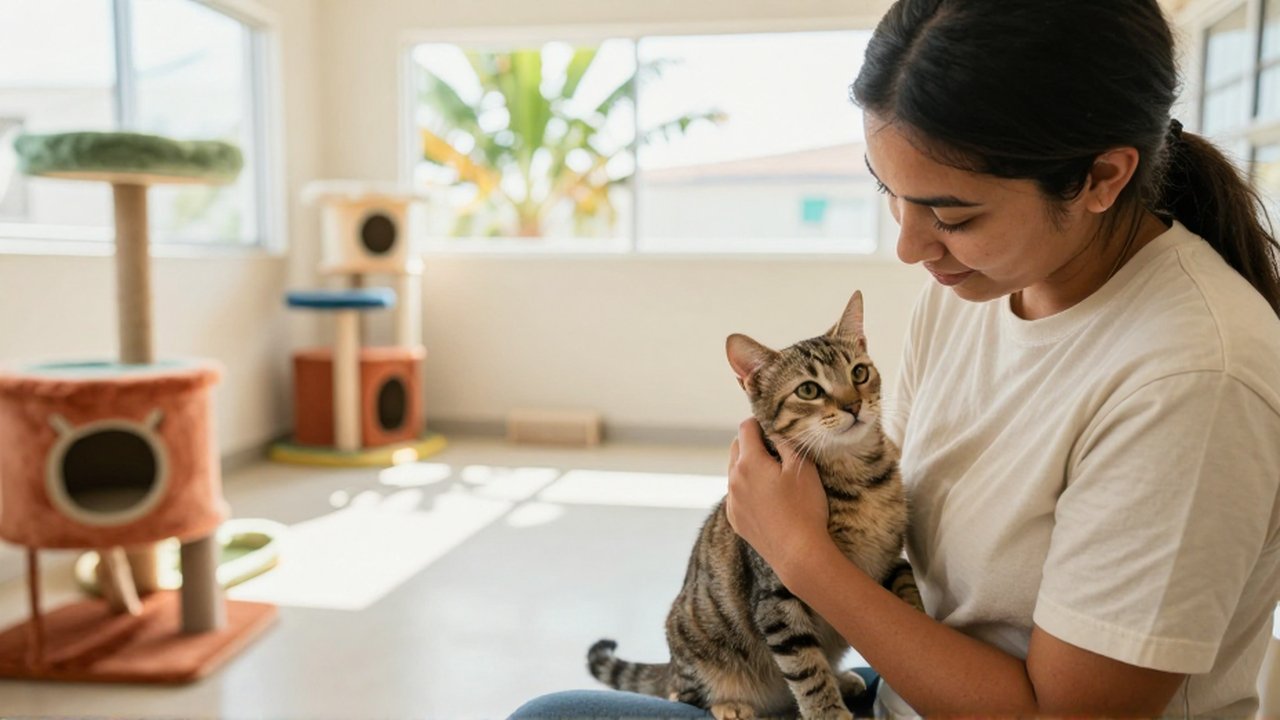
Not all shelters operate under the same model. Some are municipal facilities funded by local governments, while others are private non-profit organizations or dedicated rescue groups. Municipal shelters often have a higher volume of animals and may move more quickly through their inventory, whereas private rescues might focus on specific breeds or age groups and often utilize foster homes. In the Dominican Republic, local animal shelters and rescue centers vary widely in capacity and procedure, so it pays to research each one individually.
When researching, look for organizations that prioritize animal welfare and provide transparent information about their adoption processes. Check their availability, whether they allow walk-ins or require appointments, and how they handle inquiries. Being aware of the different types of organizations will help you target your search toward the specific type of cat you are looking for, and it will also clarify the adoption fees and the medical services each center includes.
The initial meeting and selection process
Once you have identified a shelter, the next step is the physical or virtual meeting. Most shelters encourage visitors to spend time with the cats to observe their behavior. Pay attention to how the cat reacts to your presence, its level of curiosity, and its social cues. Does the cat approach you readily, or does it seem fearful? Observing the behavior of cats in shelters during this initial meeting helps you gauge whether the animal is comfortable with handling and new environments.
It is often helpful to ask shelter staff questions about the cat's history. While histories are not always perfect, staff members can often provide insights into the cat's temperament, whether it has been socialized with other animals, and any known health issues. Use this time to build an initial connection, but remain objective about whether the cat's needs match your domestic reality. This is also the moment to decide between adopting an adult cat or a kitten, since each comes with different care demands and energy levels.
Navigating the application and screening requirements

Most reputable shelters require a formal application process. This is not meant to be an obstacle, but a tool to ensure the cat goes to a stable environment. The cat adoption application typically asks for information regarding your housing situation, employment, household members, and current or past pet ownership, and it may also request a landlord's permission if you rent.
The screening process may include the following components, which together form the shelter's adoption interview and home evaluation:
| Step | Description | Purpose |
|---|---|---|
| Application Form | A detailed questionnaire about your lifestyle and home. | To establish baseline compatibility. |
| Reference Checks | Contacting previous veterinarians or personal references. | To verify responsible pet ownership history. |
| Home Visit | An in-person or virtual walkthrough of your residence. | To ensure the environment is safe for a cat. |
| Interview | A conversation with a shelter representative. | To clarify any doubts regarding the adoption. |
Completing the adoption and preparing for arrival
Once your application is approved, you will move to the finalization phase. This typically involves paying an adoption fee, which helps the shelter cover the costs of vaccinations, spaying or neutering, and microchipping. Ensure you receive all necessary medical documentation and vaccination records during this stage, including proof of sterilization and any deworming treatments already administered.
Preparation should begin even before the cat arrives at your home. Set up a "safe room"—a quiet, confined space with essential supplies like a litter box, food, water, and hiding spots. This helps the cat feel secure as they acclimate to new scents and sounds. Having a consistent routine established from day one will significantly reduce the stress caused by the transition.
Frequently asked questions
Can I return a cat if it does not get along with my other pets? Most shelters have a return policy, often requiring that the animal be returned to the original facility. It is important to discuss these policies during the application process to understand your responsibilities, and to ask about any cooling-off period or support offered to help the cat settle in before a return is considered.
Are shelter cats usually vaccinated and neutered? In most organized shelters and rescue groups, cats are vaccinated, microchipped, and spayed or neutered before they are cleared for adoption. Always confirm the specific medical services included in your adoption fee, and request the cat's medical documentation so your veterinarian can schedule any follow-up boosters.
How long does the entire adoption process take? The timeline varies widely. Some shelters offer same-day adoptions if the application is simple, while private rescues with rigorous screening processes might take several days or even weeks to process an application.
Is it better to adopt a kitten or an adult cat? Neither is objectively "better"; the choice depends on your lifestyle. Kittens require more intensive training and supervision, while adult cats often have established personalities and may be more accustomed to calmer environments.
Leave a Reply