
Best spots for lighting tropical plants in Caribbean homes
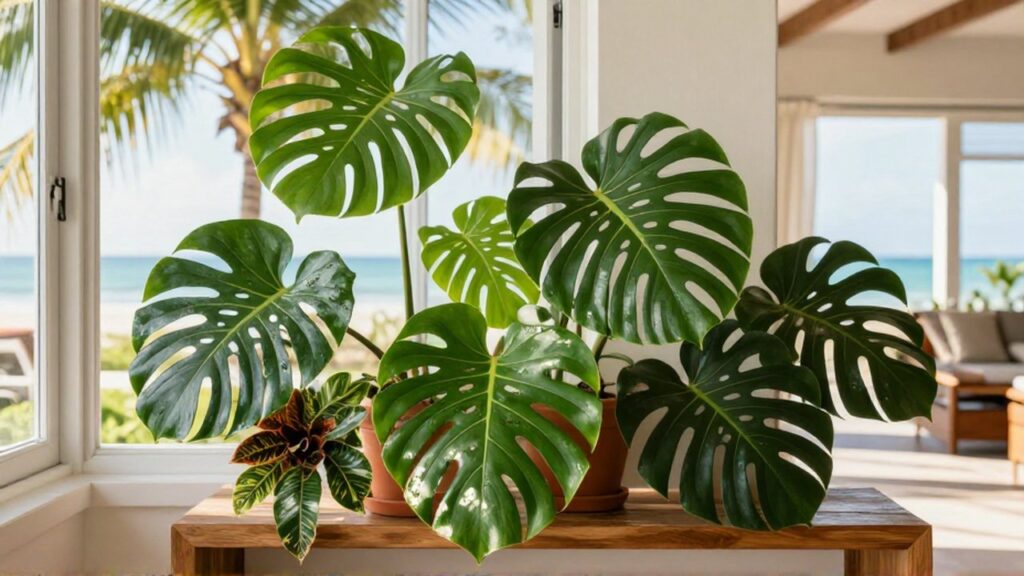
Introduction
Transforming a Caribbean home into a lush, green sanctuary requires more than just purchasing beautiful foliage; it demands a deep understanding of how light interacts with your living spaces. In tropical regions, the intensity of the sun can be both a blessing for growth and a threat to delicate leaves. Selecting the best spots for tropical plants ensures they receive the specific energy they need to thrive without suffering from heat stress or dehydration.
Mastering light placement allows you to mimic the natural environments where tropical species originate, such as the dappled shade of a rainforest floor or the bright exposure of a coastal canopy. By strategically positioning your greenery, you can enhance your home's aesthetics, improve indoor air quality, and create a cooling microclimate. This guide explores how to identify and utilize the unique lighting conditions found in Caribbean architecture to keep your plants vibrant and healthy.
Understanding light intensity in tropical environments
In the Caribbean, light is not a uniform resource. The angle of the sun and the proximity to the equator create high-intensity radiation that can vary significantly within a single room. To place plants successfully, you must first distinguish between the different types of light available in your home, from direct sunlight to the softer ambient glow found in shaded corners.
Direct sunlight is the most intense form of illumination, characterized by visible sunbeams hitting the leaves. While some species, such as certain succulents or palms, crave this exposure, many common tropical houseplants will suffer from leaf scorch if placed directly in a window facing the midday sun. Indirect light, often described as bright indirect light, occurs when sunlight is softened by a sheer curtain, a window screen, or the shade of a larger tree outside. This is the "sweet spot" for most tropical foliage.
Low light refers to areas that are shaded throughout most of the day, such as hallways or corners far from windows. While some plants are labeled as "low light tolerant," they still require some level of ambient brightness to maintain their color and structural integrity. Understanding these nuances prevents the common mistake of placing a shade-loving Philodendron in a high-exposure window, where the intense Caribbean sun would quickly damage its foliage.
Ideal placement for high light plants
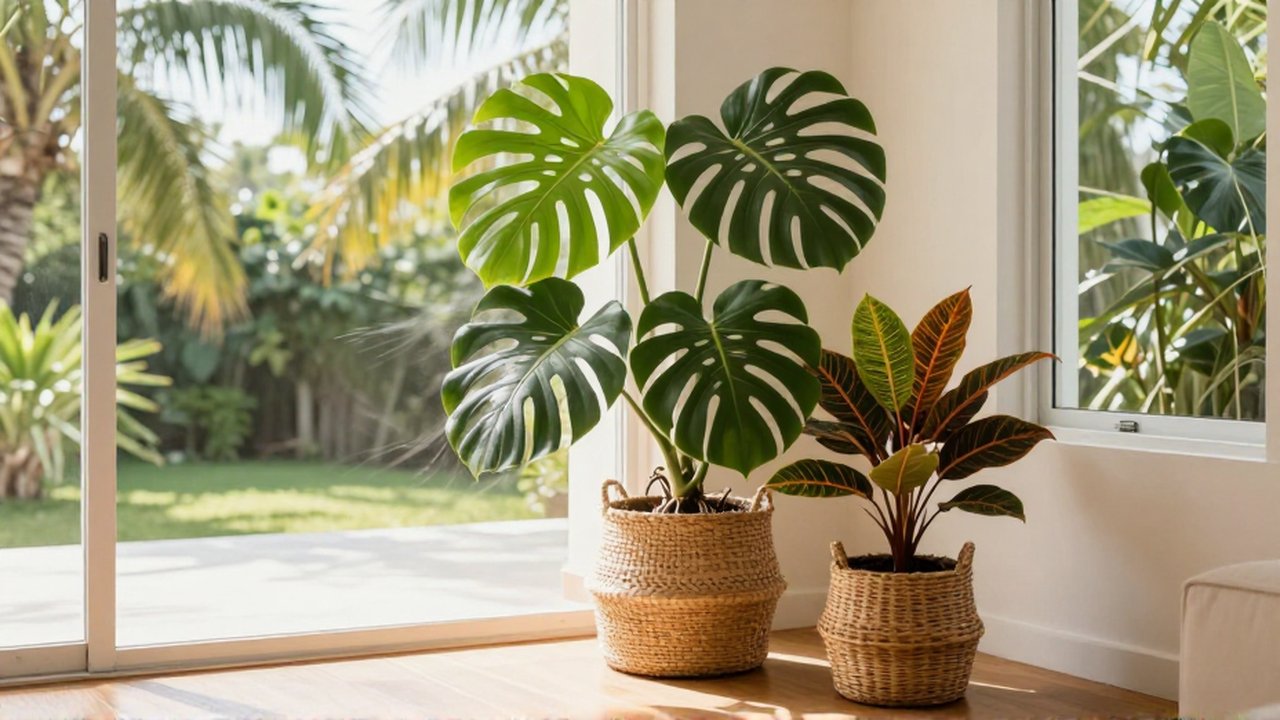
High light plants are those that have evolved to handle significant solar radiation. In a Caribbean home, the best spots for these specimens are typically near large windows or on outdoor balconies that receive direct morning or afternoon sun, making them ideal high light plants Caribbean homeowners can rely on for vigorous growth.
If you have a south-facing window (in the Northern Hemisphere), this area will provide the most consistent and intense light throughout the day. This is an excellent location for cacti, succulents, and certain varieties of Bromeliads. However, during the peak summer months, even these plants may require a bit of shade to prevent the soil from drying out too rapidly, so consider moving them a few feet back from the glass.
East-facing windows are another premium location. These areas receive the gentle warmth of the morning sun, which is less likely to scorch leaves than the harsh overhead sun of midday. This makes eastern windows perfect for many tropical flowering plants that need energy to bloom but prefer cooler temperatures during the hottest parts of the day.
Strategic spots for medium and filtered light
Most popular tropical houseplants, including Monsteras, Ferns, and Calatheas, thrive in medium to bright indirect light. Finding the right spot for these plants involves looking for areas where the light is strong but diffused, such as a spot near an east-facing window plant arrangement or a few feet away from a bright southern exposure.
A porch or a veranda with a roof provides a perfect natural filter. The overhang of the roof protects the plants from the direct vertical rays of the sun while allowing plenty of ambient light to bounce off the surroundings. This mimics the understory of a tropical forest, providing a stable environment for growth.
Inside the home, placing plants a few feet away from a window is a reliable strategy. This distance allows the intensity of the light to drop to a safer level. You can also use sheer curtains plant light diffusion to soften harsh Caribbean sunlight, effectively turning a high-exposure window into a soft, luminous light source that is ideal for a wide variety of species.
Managing low light areas and indoor shadows

Not every corner of a Caribbean home is bathed in sunlight, but low light areas indoor plants can still thrive with the right selection. The key is to choose "shade-tolerant" species that can survive on the ambient light that reflects off walls and ceilings, keeping your greenery healthy even in darker rooms.
Areas like bathrooms with small frosted windows or entryways that face away from the sun are suitable for plants like Snake Plants or Peace Lilies. These species are adapted to lower energy environments and can maintain their health even when direct light is absent, making them dependable choices for low light tropical plants in Caribbean homes.
When working with low light, be mindful of moisture. Because there is less light to drive photosynthesis and evaporation, the soil in these darker spots stays wet much longer. Overwatering in low-light areas is one of the most frequent causes of root rot in tropical indoor gardens.
Practical light placement summary
To help you decide where to place your collection, use the following guide based on common light scenarios:
| Light Type | Best Location | Suitable Plant Examples |
|---|---|---|
| Direct Sun | South-facing windows, open balconies | Succulents, Cacti, certain Palms |
| Bright Indirect | East/West windows, behind sheer curtains | Monsteras, Fiddle Leaf Figs, Orchids |
| Filtered Light | Shaded porches, under tree canopies | Ferns, Calatheas, Anthuriums |
| Low Light | Hallways, bathrooms, shaded corners | Snake Plants, ZZ Plants, Pothos |
Frequently asked questions
How can I tell if my plant is getting too much light? Look for signs such as brown, crispy patches on the leaves (scorch marks), fading or bleaching of the leaf color, or leaves that feel unusually hot to the touch. If this happens, move the plant to a spot with more diffused light, such as behind a sheer curtain or a few feet away from the window.
Does the color of my walls affect plant lighting? Yes. Light-colored walls (white or cream) reflect more ambient light around the room, which can benefit plants in medium-light areas. Dark-colored walls absorb light, which may result in a darker environment for your plants.
Can I use artificial lights to supplement natural sun? Absolutely. In areas of the home where natural light is insufficient, grow lights designed for plants can provide the necessary spectrum for photosynthesis. This is a great solution for maintaining a lush indoor jungle in darker rooms.
Why do my plants look stretched out and thin? This is a phenomenon called etiolation, a clear sign that your plant is not receiving enough light. It happens when a plant is searching for more light, causing the stems to grow long, weak, and sparse. If you see this, move your plant closer to a light source or into a brighter spot in the room.
Leave a Reply