
Common challenges when adopting a pet in tropical climates

Introduction
Adopting a pet is a life-changing decision that brings immense joy, but doing so in a tropical environment like the Dominican Republic presents unique sets of circumstances. Tropical climates are characterized by high humidity, intense solar radiation, and fluctuating rainfall patterns, all of which directly impact animal physiology and behavior. Understanding these environmental factors is essential for any prospective owner to ensure a smooth transition for the animal, especially when facing the common challenges of adopting a pet in tropical climates.
When you adopt a pet in these regions, you are not just providing a home; you are managing a living being's relationship with a demanding ecosystem. Being prepared for the specific health, logistical, and environmental hurdles associated with heat and moisture will determine whether your new companion thrives or struggles. This guide explores the primary challenges faced during the adoption process in tropical zones to help you prepare your household effectively.
Environmental and health considerations
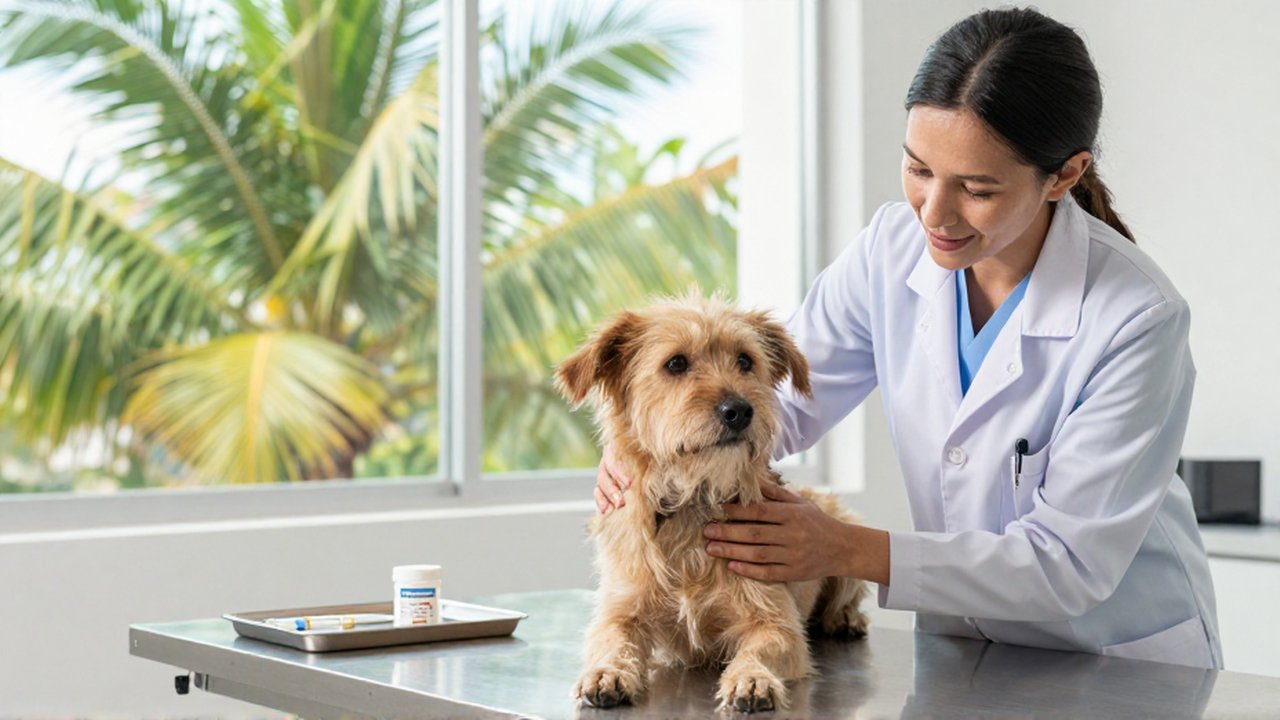
The most immediate challenge when bringing a new pet into a tropical home is managing the impact of heat and humidity. Animals, particularly those with thick coats or specific breeds, are highly susceptible to heat exhaustion and dehydration. During the adoption period, an animal may already be stressed from moving to a new environment, making them even more vulnerable to temperature spikes and increasing the risk of heatstroke in dogs adopted from shelters or the street.
Humidity plays a significant role in skin and coat health. High moisture levels in the air can promote the growth of fungi and bacteria, leading to dermatological issues such as hot spots or fungal infections. For newly adopted pets, whose immune systems might be compromised by the stress of relocation, these skin conditions can become chronic if not monitored closely; regular grooming and thorough drying after baths are essential for preventing skin diseases caused by humidity in dogs.
Furthermore, tropical climates are breeding grounds for parasites. Mosquitoes, ticks, and fleas are active year-round, increasing the risk of vector-borne diseases. A crucial step during the adoption process is verifying the pet's current preventative treatments and establishing a consistent schedule for parasite control to prevent serious illnesses like heartworm, which is why learning how to protect your dog from fleas and ticks is one of the first priorities for owners in the region.
Nutritional and hydration management
Maintaining proper nutrition and hydration is more complex in warm, humid regions. Food spoilage happens much faster in tropical heat; dry kibble can go rancid or attract pests if left in bowls for extended periods. Finding the right balance between caloric intake and hydration is vital, as many animals may lose interest in eating when temperatures rise, so adapting pet feeding in tropical climates often means adjusting portion sizes and meal timing to the cooler hours of the day.
| Challenge | Impact on Pet | Recommended Action |
|---|---|---|
| High Humidity | Faster food spoilage | Store food in airtight containers; use smaller, frequent portions. |
| Intense Heat | Dehydration risk | Ensure constant access to fresh, cool water; use multiple water stations. |
| Temperature Spikes | Reduced appetite | Offer wet food to increase moisture intake; feed during cooler hours. |
Owners must also be wary of the quality of water available. In some tropical areas, tap water may contain minerals or treatments that are not ideal for pets. Providing filtered or purified water can help prevent gastrointestinal upset in sensitive, newly adopted animals, and keeping clean water for pets in the tropics means refreshing bowls several times a day to prevent bacterial growth in the heat.
Behavioral and lifestyle adjustments

The tropical lifestyle often dictates when and how much an animal can be active. While many owners wish to exercise their pets during the day, the midday sun in tropical zones can be dangerous, so planning safe exercise for dogs in the tropics requires scheduling activity around sunrise and sunset. This requires a significant shift in the daily routine of both the owner and the pet.
Adopting a pet often involves a "decompression" period. In a tropical climate, this period must be managed carefully to avoid overstimulation or heat stress. Early walks should be restricted to the early morning or late evening when the ground is not too hot and the air is cooler, which is a key part of helping pets adapt to the heat. If the pavement is too hot for your hand, it is too hot for their paws.
Additionally, indoor environmental control becomes a necessity rather than a luxury. Ensuring the pet has access to shaded areas, well-ventilated rooms, or air-conditioned spaces is critical for their mental and physical well-being. A pet that cannot regulate its temperature effectively will become lethargic, irritable, and prone to anxiety, so recognizing the early symptoms of heatstroke in dogs and acting quickly can make the difference between a minor episode and a veterinary emergency.
Frequent questions about tropical pet adoption
How can I tell if my newly adopted pet is suffering from heatstroke? Signs include excessive panting, bright red gums, lethargy, vomiting, or stumbling. If you suspect heatstroke, move the pet to a cool area immediately and contact a veterinarian, as this is a medical emergency; knowing the symptoms of heatstroke in dogs before adopting will help you respond calmly and quickly.
Is it harder to keep a pet's coat clean in high humidity? Yes, humidity can make coats feel damp and can lead to odors or skin irritation. Regular brushing and ensuring the pet is thoroughly dried after baths or rain are important maintenance steps.
Should I change my pet's diet immediately after adoption in a warm climate? It is generally recommended to transition food gradually to avoid digestive upset. However, you should consult a professional to ensure the food type is appropriate for maintaining hydration and energy levels in tropical weather, and to confirm that your pet's feeding plan accounts for the higher risk of dehydration in pets caused by heat.
How do I protect my pet from tropical parasites? Consistent use of veterinarian-approved preventatives for fleas, ticks, and mosquitoes is the most effective method. Regular inspections of the skin and fur are also highly recommended.
Leave a Reply