
Differences between sea lice and freshwater parasites in pets

Introduction
Pet owners living in tropical regions or near coastal waters must be vigilant about the various biological threats their animals face during aquatic activities. Parasites in aquatic environments can cause discomfort, skin irritation, and even serious systemic health issues if left untreated. Understanding the distinction between sea lice saltwater parasites and those found in freshwater is essential for providing timely care and selecting the correct preventative measures.
Distinguishing between sea lice and freshwater parasites is not merely an academic exercise; it is a practical necessity for protecting your pet's skin and overall well-being. Because these organisms thrive in different salinities and carry different biological risks, the symptoms and treatment approaches vary significantly. Recognizing these differences early can prevent chronic infections and unnecessary distress for your beloved animals.
Characteristics of sea lice in aquatic environments
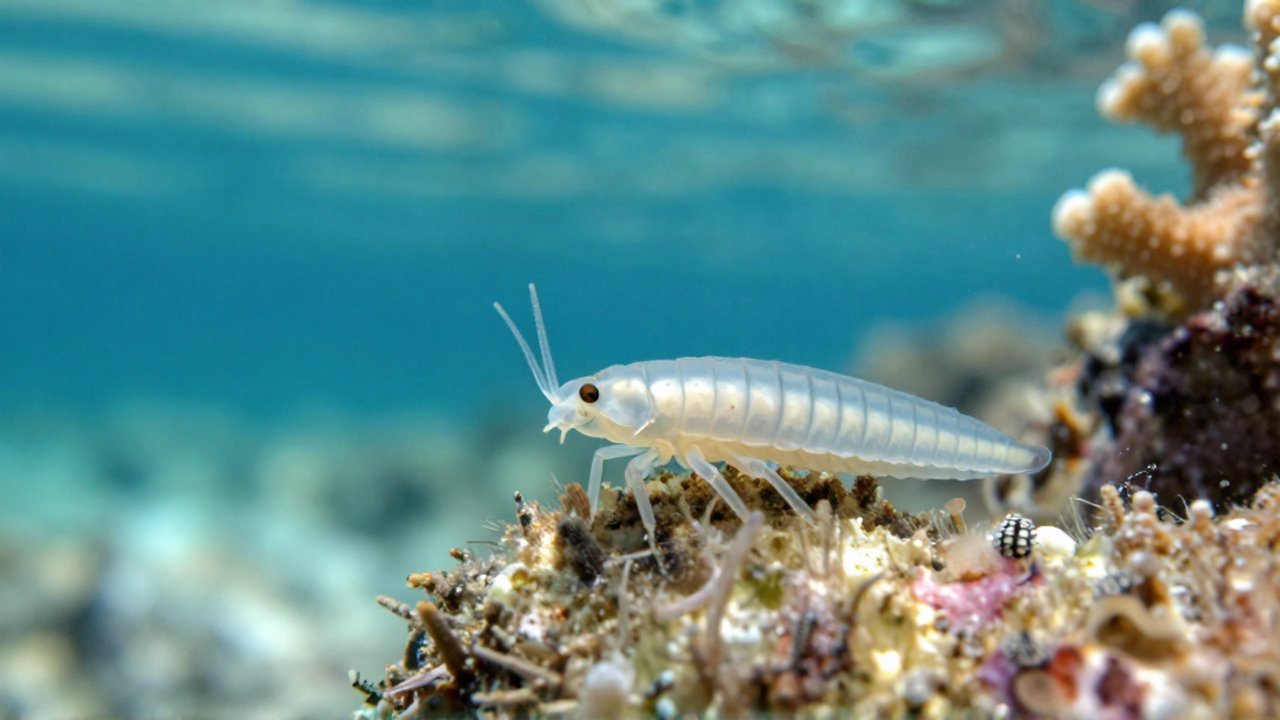
Sea lice, often referred to as marine isopods or copepods depending on the specific species, are crustaceans that thrive in high-salinity environments. In the context of pets, particularly those that frequent the ocean, these organisms are generally external hitchhikers. They typically attach themselves to the skin, fur, or even the ears of animals as they swim through coastal waters, and their presence is most noticeable after a pet has been in the water.
The primary impact of sea lice is localized irritation. Because they are external parasites, they tend to feed on the surface layers of the skin or the oils found in the fur. This can result in visible redness, small bumps, or intense itching. While they are rarely life-threatening to healthy adult animals, they can cause significant discomfort and may lead to secondary bacterial infections if the pet scratches or rubs against surfaces to relieve the irritation. Saltwater parasite skin irritation in pets is usually confined to the areas that remained wet longest after swimming.
Risks associated with freshwater parasites
Freshwater environments, such as rivers, lakes, and ponds, present a different set of biological challenges. Unlike the relatively external nature of many sea lice, freshwater parasites pets often include organisms that can penetrate the skin or enter the body through ingestion. Freshwater settings are often warmer and more stagnant than the ocean, which can facilitate the breeding of various protozoa, trematodes, and larvae.
Common freshwater risks include microscopic organisms that can cause dermatological issues or internal parasites that enter the system if a pet drinks unpurified water. Some freshwater parasites are capable of burrowing under the skin, leading to more systemic symptoms than simple surface irritation. Owners should be particularly cautious of "swimmer's itch" or similar dermatological reactions that occur after prolonged contact with stagnant water, which can lead to more widespread inflammation. Freshwater parasite burrowing skin reactions in pets are often harder to spot early because the entry point may be tiny and easily overlooked.
Comparative analysis of symptoms and habitats

To effectively manage pet health, it is helpful to compare how these two environments affect an animal. The distinction often lies in the level of penetration and the specific biological behavior of the organisms involved, and a parasite habitat salinity comparison helps owners anticipate which risks apply to their local swimming spots.
| Feature | Sea Lice / Marine Parasites | Freshwater Parasites |
|---|---|---|
| Primary Habitat | High-salinity ocean water | Low-salinity rivers, lakes, ponds |
| Primary Site of Action | Surface skin and fur | Skin penetration or internal ingestion |
| Common Symptoms | Localized itching, redness, surface bumps | Rashes, burrowing tracks, digestive upset |
| Risk Level | Generally lower; primarily external | Can be higher; may become systemic |
The distinction is also found in the environment's stability. Ocean water is highly saline, which acts as a natural barrier for many types of microorganisms. In contrast, the nutrient-rich, lower-salinity environment of freshwater is often more conducive to a wider variety of parasitic life cycles, including those that require specific host movements to complete their development. This is why aquatic parasites in tropical regions tend to be more diverse and active in freshwater bodies than along the open coast.
Prevention and management strategies
Protecting pets from aquatic parasites requires a multifaceted approach tailored to the specific environment they enter. For salt-water enthusiasts, the focus should be on rapid rinsing. After a swim in the ocean, thoroughly rinsing a pet with fresh, clean water can help dislodge any clinging sea lice or crustacean larvae before they can settle or cause irritation. A sea lice prevention rinse with fresh water after every ocean outing is one of the simplest and most effective habits to adopt.
For freshwater activities, the precautions must be more rigorous. Because freshwater parasites can be ingested, ensuring your pet does not drink directly from lakes or rivers is a priority, since freshwater parasite ingestion in dogs and cats is a common route of infection. Additionally, since some freshwater organisms can penetrate the skin, regular veterinary check-ups and the use of approved topical preventatives are essential. Monitoring the pet's skin immediately after a swim for any signs of redness, swelling, or unusual behavior is the best way to catch an infestation in its early stages.
Frequently asked questions
Can sea lice cause permanent damage to my pet? Generally, sea lice cause temporary irritation and itching. However, if the pet scratches excessively, it can cause wounds that lead to secondary bacterial or fungal infections. Early rinsing and monitoring are key to preventing long-term skin issues, and most marine parasites affecting pets resolve quickly once the animal is dried and rinsed.
How can I tell if my pet has a freshwater parasite? Watch for signs of skin irritation such as rashes, redness, or tracks under the skin after swimming. If your pet also exhibits digestive issues like vomiting or lethargy after drinking from a natural water source, it may indicate an internal parasite. Swimmer's itch in pets is a common freshwater reaction that appears as small red bumps within hours of leaving the water.
Is rinsing with fresh water enough to prevent parasites? Rinsing is an excellent first step to remove external organisms like sea lice. However, it does not protect against parasites that penetrate the skin or those that are ingested during drinking. For complete protection, follow professional veterinary guidance on preventatives.
Are all aquatic parasites dangerous? Not all are immediately life-threatening, but many cause significant discomfort and can lead to more serious health complications if the animal's immune system or skin integrity is compromised. Consistent observation is always recommended, and owners who live near lakes or rivers should learn the freshwater parasite symptoms in dogs and cats so they can act quickly after any exposure.
Leave a Reply