
Managing pet ear health during windy weather conditions

Introduction
Windy weather presents a unique set of environmental challenges for pet owners, particularly regarding auditory health. In tropical regions like the Dominican Republic, wind often carries significant amounts of dust, pollen, sand, and debris. When these particles are driven by strong gusts, they can easily penetrate a pet's ear canal, leading to irritation, inflammation, or secondary infections. Understanding how to protect your pet's ears during these conditions is essential for preventing discomfort and long-term ear issues, and it forms the core of effective pet ear health windy weather management.
Managing ear health during windy periods involves both preventative measures and active monitoring. This is especially important for breeds with anatomical predispositions to ear problems, such as those with floppy ears or narrow ear canals. By implementing a proactive care routine, owners can mitigate the risks posed by airborne irritants and ensure their animals remain comfortable even when the weather is unpredictable, reducing the likelihood of ear irritation from wind and dust.
Risks of airborne irritants in pet ears
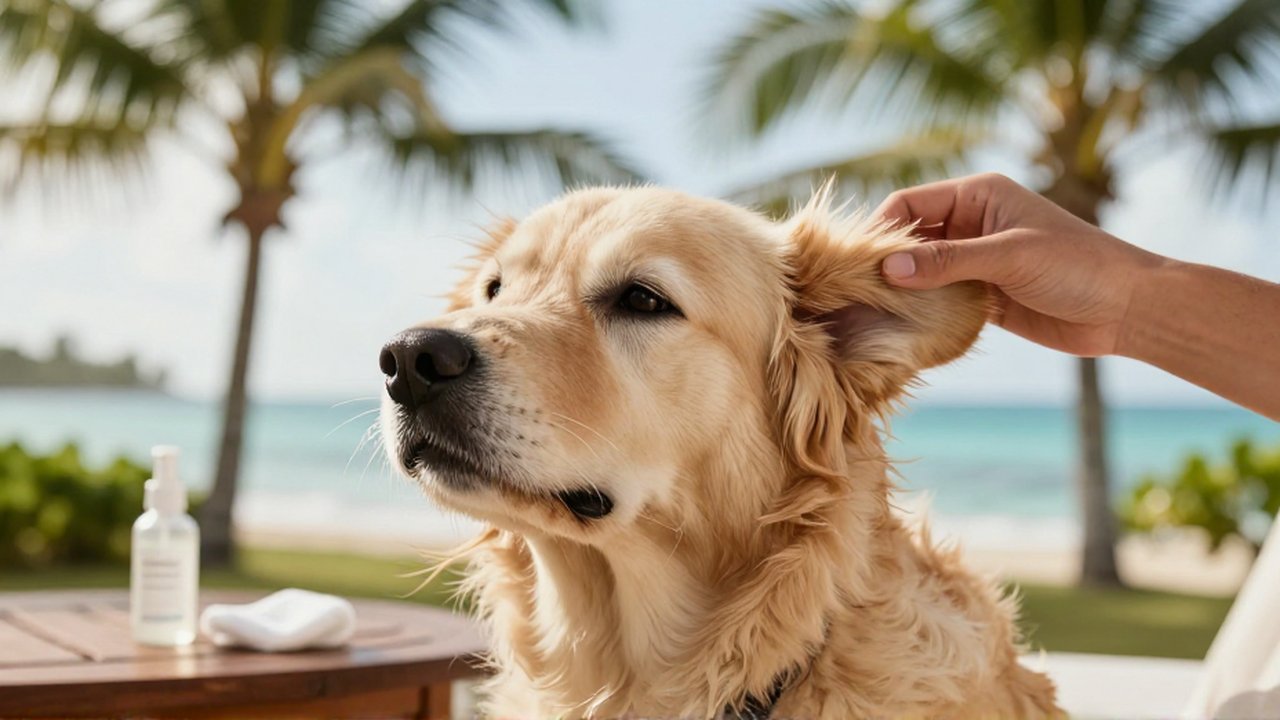
Wind acts as a vehicle for various micro-particles that can compromise the delicate ecosystem of a pet's ear canal. When wind speeds increase, it picks up sand, dried organic matter, and fine dust particles. For pets, these particles are not merely a nuisance; they are physical irritants that can scratch the sensitive lining of the ear canal or become trapped deep inside, and windborne debris can lodge in the ear canal for days if not removed promptly.
The primary risk is the development of otitis, or ear inflammation, which is why otitis prevention for dogs and cats should be a priority during gusty seasons. When debris settles in the ear, it can create a moist, trapped environment that serves as a breeding ground for bacteria and yeast. Furthermore, if a pet attempts to scratch their ears aggressively due to the irritation caused by wind-blown dust, they run the risk of causing self-inflicted trauma, such as hematomas or lacerations within the canal.
Identifying signs of ear discomfort
Recognizing the early signs of ear discomfort is crucial for preventing a minor irritation from escalating into a clinical infection. Owners should perform regular visual inspections, especially after sudden changes in weather or outdoor activities, and learn to read the common signs of ear discomfort in pets before they worsen.
Watch for the following indicators of ear issues:
- Frequent head shaking: This is often the first sign that something is physically irritating the canal, and persistent head shaking is one of the clearest ear problems in dogs exposed to wind.
- Pawing at the ears: Excessive scratching or rubbing the head against furniture, a common response when pets are pawing their ears due to irritation.
- Odors: A noticeable scent coming from the ear canal, which can indicate bacterial or yeast overgrowth.
- Discoloration: Changes in the color of the earwax, such as a shift from light brown to dark, waxy, or yellowish discharge.
- Redness and swelling: Visible inflammation of the ear flap or the entrance to the canal.
If you notice any of these signs, it is advisable to consult a veterinary professional to ensure the correct diagnosis and treatment plan.
Preventative care strategies for windy days
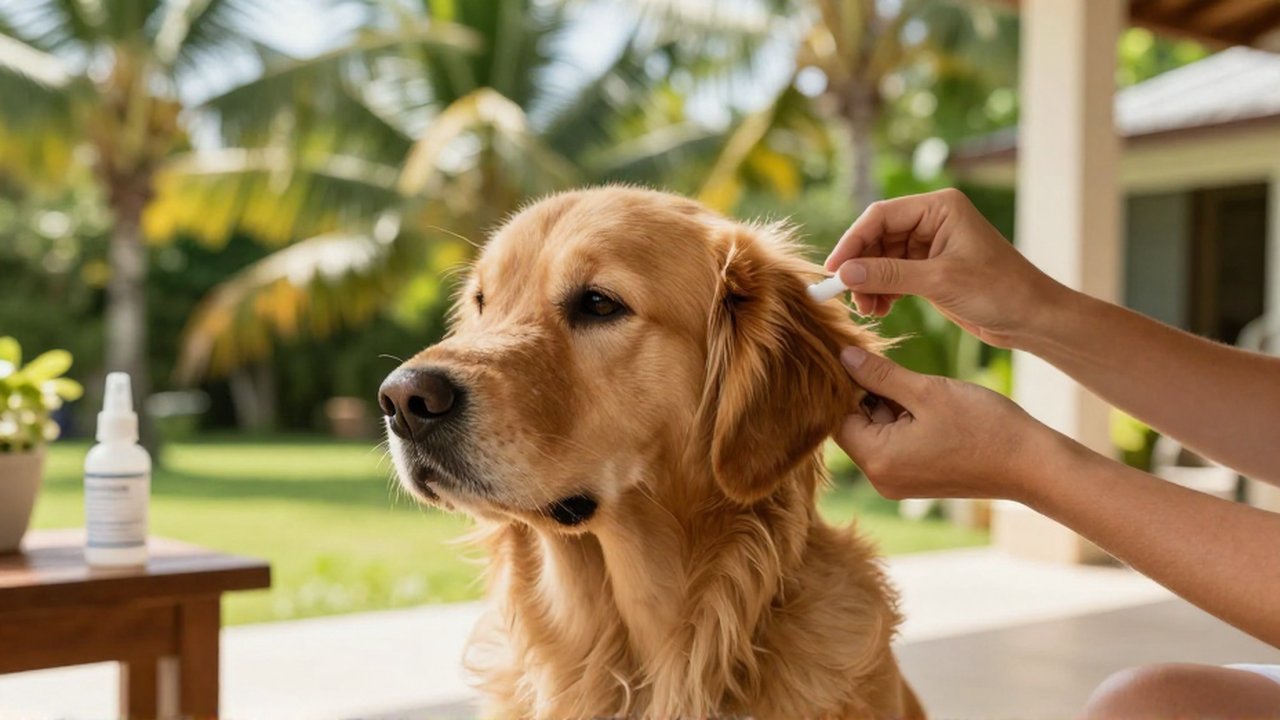
Preventing ear issues during windy weather requires a combination of environmental management and consistent hygiene. While you cannot control the wind, you can control how much exposure your pet has to its most harmful elements, applying practical ear care for tropical climates where dust and humidity combine with strong gusts.
During periods of high wind, limiting outdoor time can significantly reduce the volume of debris entering your pet's ears. If your pet must go outside, consider the timing of their activities, avoiding the most turbulent hours of the day. For dogs with long, floppy ears that act as "catchers" for wind-blown dust, floppy ears wind protection can be improved by gently tucking the ears back during walks or using a light bandana to provide a physical barrier.
Post-exposure hygiene is another vital component. After an outing in windy conditions, a gentle wipe of the visible part of the ear with a soft, damp cloth can remove surface dust before it migrates deeper into the canal, a simple step in cleaning pet ears after wind exposure. However, avoid using cotton swabs or inserting anything deep into the ear, as this can push debris further in and cause damage.
Comparing ear types and sensitivity levels
Not all pets react to windy weather in the same way. Their anatomical structure plays a decisive role in how much debris they collect and how easily they develop infections, and understanding ear types and sensitivity in dogs helps owners anticipate which animals need closer monitoring.
| Ear Type | Risk Level | Characteristic Behavior |
|---|---|---|
| Drop/Floppy Ears | High | The ear flap covers the canal, trapping moisture and dust easily. |
| Prick/Erect Ears | Low | The canal is more exposed to air but allows for better natural ventilation. |
| Narrow Canals | Moderate | Smaller openings can make it harder for debris to escape naturally. |
Understanding your pet's specific ear type allows you to tailor your prevention efforts. For example, a dog with floppy ears may require much more frequent visual inspections after a windy walk than a dog with upright ears, and pets with narrow ear canals benefit from extra vigilance since trapped debris is harder for them to expel naturally.
Frequently asked questions
Can I use human ear drops to clean my pet's ears after a windy day? No, you should never use human ear medications or cleaners on pets. The pH balance and chemical composition of human products can be highly irritating or even toxic to a pet's sensitive ear canal. Always use products specifically formulated for veterinary use.
How often should I clean my pet's ears? There is no single rule, as it depends on the pet's breed and environment. However, during windy or dusty seasons, more frequent visual checks are recommended. If your pet's ears appear clean and have no odor, excessive cleaning is unnecessary and can actually cause irritation.
Is it normal for my pet to shake their head after being in the wind? A single, brief shake might just be a reaction to a sudden gust or a piece of grass. However, if the shaking is repetitive, persistent, or accompanied by any redness or odor, it is a sign of irritation that requires attention.
Should I use cotton swabs to clean my pet's ears? You should never insert cotton swabs into a pet's ear canal. This can push debris, wax, and irritants deeper into the ear, potentially causing injury or worsening an existing infection. Only use swabs or cloths to clean the outer, visible parts of the ear flap.
Leave a Reply