
What to expect during a pet shelter visit
Introduction
Visiting a pet shelter is a significant step toward changing an animal's life through adoption. This process is designed to ensure that both the animal and the prospective owner are a compatible match, creating a safe and lasting bond. Understanding the environment and the procedures beforehand can help reduce anxiety for new adopters and make the experience much more productive.
Knowing what to expect during a pet shelter visit allows you to approach it with a clear mindset. Instead of simply looking for the "cutest" animal, a prepared visitor focuses on lifestyle compatibility, temperament, and the specific needs of the animals in care. This guide outlines the typical stages of a shelter visit to help you navigate the experience with confidence and empathy.
Preparation before your arrival
Success during a shelter visit begins before you even step through the doors. Most shelters recommend doing preliminary research on their website to understand their specific adoption policies, such as application requirements, age restrictions, or fees. Some organizations require an approved application to be on file before you are allowed to meet specific animals, so checking this in advance can save significant time.
It is also beneficial to prepare a mental or written list of your household requirements. Consider factors such as your living space, your daily schedule, your activity level, and whether there are children or other pets in the home. Being honest with yourself about these variables will prevent the heartbreak of bringing home a pet that cannot thrive in your current environment.
The initial meeting and orientation
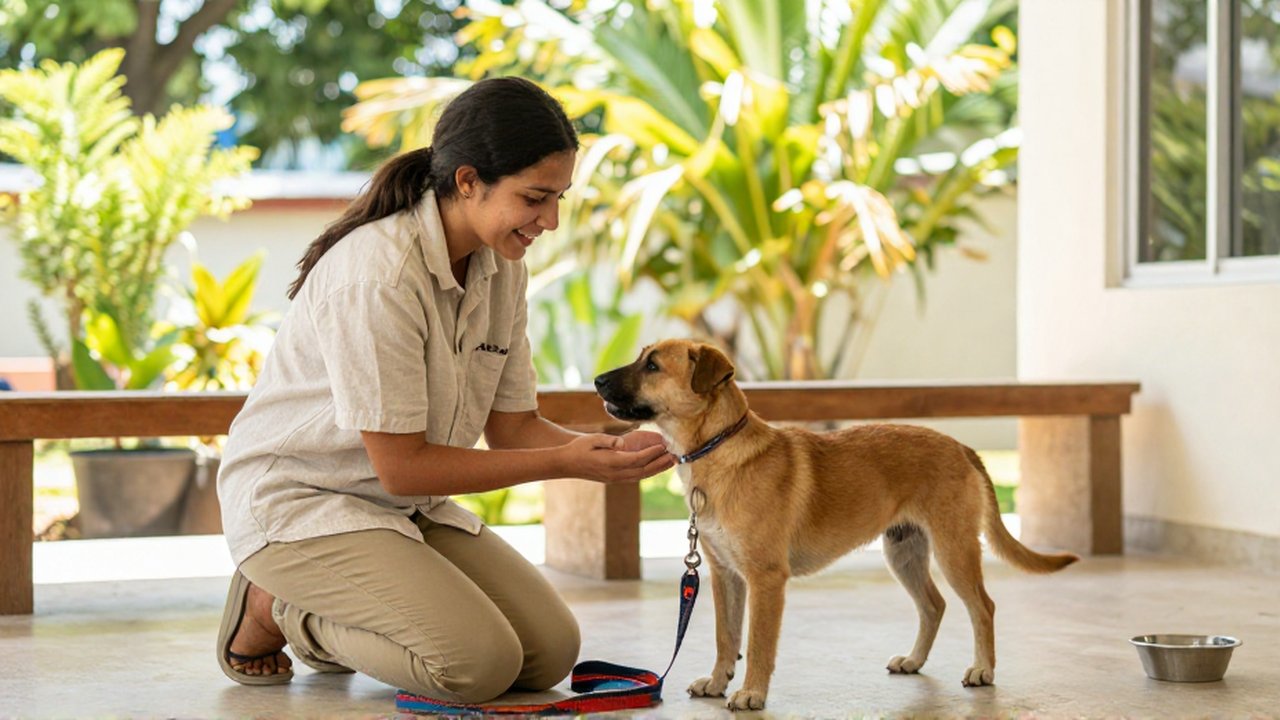
Upon arrival, you will likely be greeted by shelter staff or volunteers. Most reputable shelters will start with a brief orientation. During this time, they may explain the layout of the facility and the "rules of engagement." For example, they might instruct you on how to approach kennels without causing stress to the animals or explain which areas are off-limits to ensure safety.
Staff members are often your best resource. They spend significant time with the animals and can provide insights that a visual inspection cannot reveal. They can tell you about an animal's energy levels, their history with other dogs or cats, and any known behavioral quirks. Listen closely to these descriptions, as they provide the context necessary to look beyond the surface appearance of a pet.
Meeting the animals and observing behavior
The core of the visit involves interacting with the animals. This often happens in two stages: viewing them in their enclosures and then moving to a more controlled environment, such as an outdoor play area or a quiet meeting room.
When observing animals in kennels, look for more than just physical traits. Pay attention to:
- Body language: Is the animal relaxed, fearful, or overly hyperactive?
- Responsiveness: How does the animal react to your presence or the sound of your voice?
- Interaction style: Does the pet seek out human contact, or do they prefer to observe from a distance?
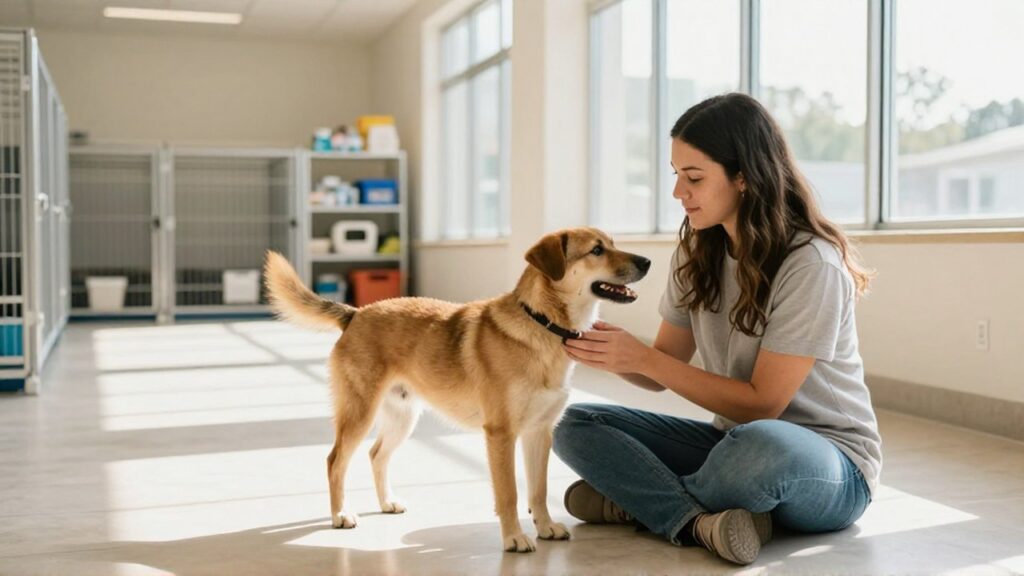
When you move to a one-on-one meeting, take the opportunity to see how the pet behaves without the distractions and stresses of the shelter environment. If possible, observe how the pet interacts with its surroundings and how it responds to gentle handling.
Navigating the application and decision process

If you find a pet that feels like a potential match, the next step is usually the formal application process. This is not merely a formality; it is a vetting procedure designed to protect the animal. You may be asked to provide references, details about your home environment, and information regarding your veterinary history.
It is important to understand that a shelter visit does not always result in an immediate adoption. The decision-making process can take time. Some shelters may require a home visit, a trial period, or a follow-up interview. While this can feel tedious, these steps are in place to ensure the long-term success of the adoption and to prevent animals from being returned to the shelter later.
Common mistakes to avoid
To ensure a positive experience, avoid making impulsive decisions based solely on emotional impulse. It is easy to fall in love with an animal's appearance, but a pet's personality and long-term needs are what determine the quality of life for both you and the animal.
Avoid bringing high-energy activities or distractions to the shelter that might overwhelm the animals. Additionally, refrain from criticizing the shelter's environment or conditions; shelters often operate with limited resources, and focusing on the animals' potential rather than their current surroundings will lead to a more constructive visit.
Frequently asked questions
Can I bring my current pet to the shelter to meet a potential new companion? Most shelters discourage or strictly prohibit bringing other pets to a visit. This is to prevent stress for the shelter animals and to ensure the safety of all pets involved.
What should I bring with me to the shelter? While you do not need much, bringing a notebook to take notes on animal temperaments and a list of questions for the staff is highly recommended.
How long should a typical shelter visit last? There is no set time, but you should allow at least one to two hours. Rushing through a visit can prevent you from seeing an animal's true temperament and may lead to an incompatible match.
Is it okay if I don't find a pet on my first visit? Yes. Many people visit several times before finding the right match. Adoption is a process of finding the right fit, not a race to meet a deadline.
Leave a Reply