
How to spot wild iguanas and small mammals
Introduction
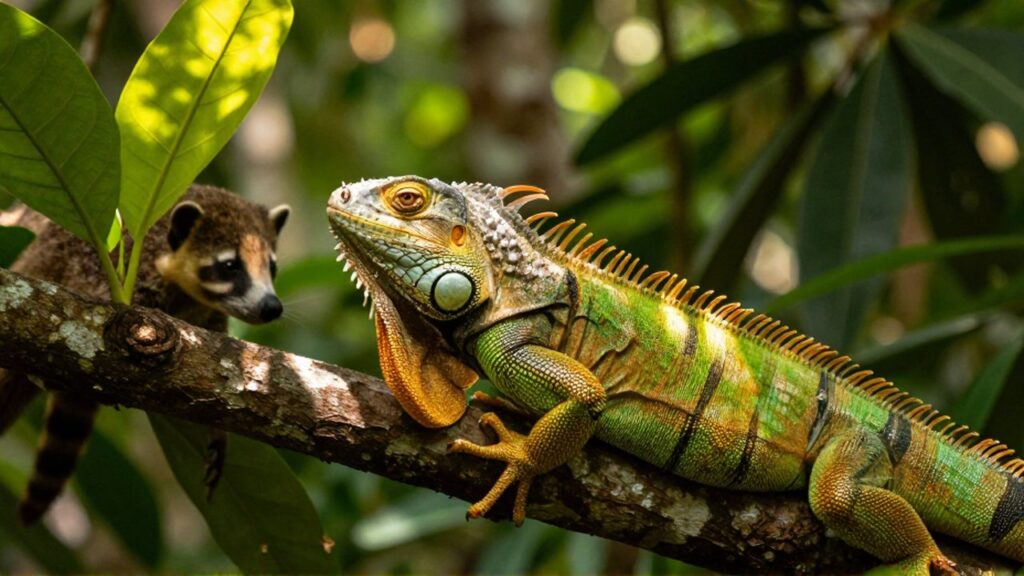
The tropical landscapes of the Dominican Republic are home to a diverse array of fauna that often coexist with human habitats. Learning how to spot wild iguanas and small mammals is essential for anyone spending time in nature, whether you are a hiker, a gardener, or someone living in a coastal community. Developing an eye for these animals allows you to appreciate the local biodiversity while maintaining a respectful distance that ensures both your safety and the well-being of the wildlife.
Understanding the behavior, habitats, and movement patterns of these species transforms a simple walk into an observational experience. While iguanas are often easier to detect due to their size and sun-seeking habits, small mammals require a more patient and subtle approach. This guide provides practical methods for identifying these creatures in their natural environments, helping you distinguish between common garden visitors and more elusive forest dwellers.
Identifying common iguana behaviors and habitats
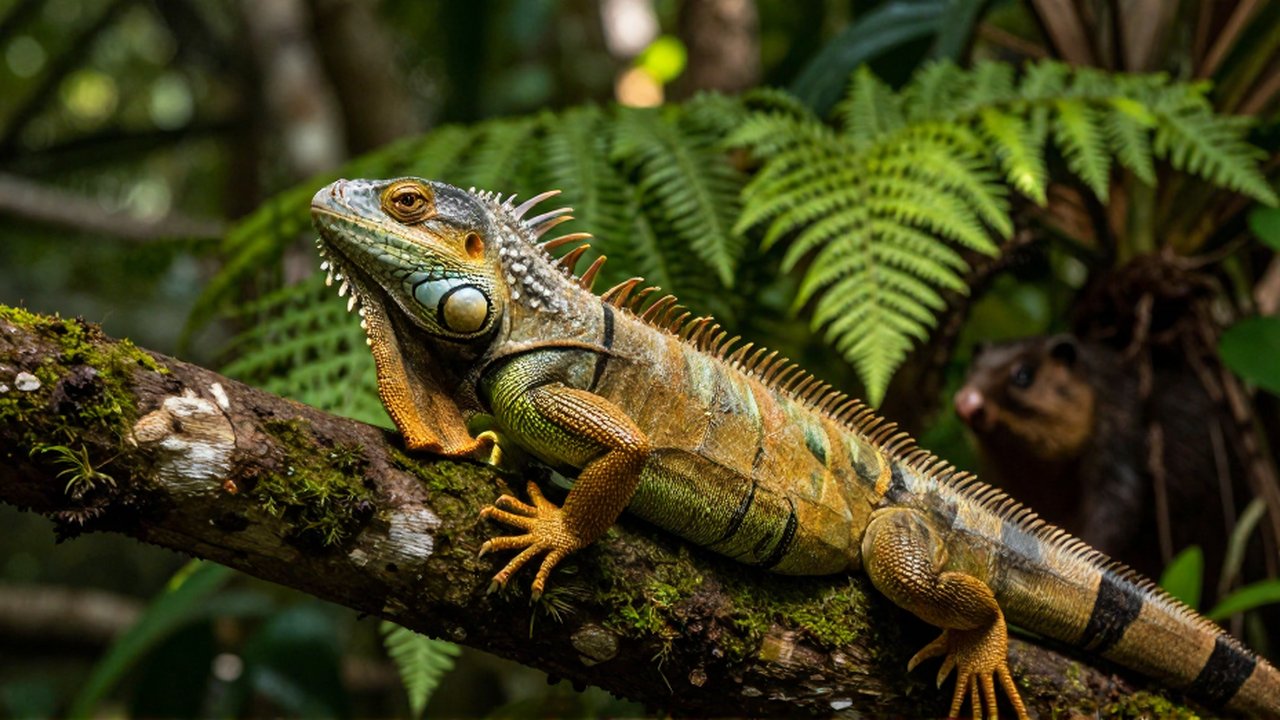
Iguanas are perhaps the most iconic reptiles in the Caribbean. To spot them effectively, you must first understand their biological needs, specifically their reliance on heat. Because they are ectothermic, they spend a significant portion of the day basking in direct sunlight to regulate their body temperature, which is why iguana basking behavior is one of the most reliable cues for locating them.
When searching for iguanas, look toward high vantage points. They frequently climb trees, fence posts, or walls to gain a better view of their surroundings and to soak up the sun. In more densely forested areas, they may be found near large branches or rock formations. Their coloring—often shades of green, grey, or brown—serves as excellent camouflage against tropical foliage, so look for subtle movements or the slight sway of a branch that doesn't match the wind. These sunlit perches are among the most productive iguana habitats in the Caribbean.
If you see a large, lizard-like silhouette resting motionless on a stone wall or a sun-drenched branch, there is a high probability it is an iguana. They are generally wary of humans and will often flee into higher branches or thick vegetation if they sense heavy footsteps or loud noises. To tell iguanas apart from smaller garden lizards, look for the dewlap and the row of spines running along the back, features that common lizards lack.
Locating small mammals in tropical environments
Small mammals, such as various species of rodents, bats, and small carnivores, are much more difficult to spot because they are often nocturnal or highly secretive during the day. Unlike iguanas, which are often visible in broad daylight, many small mammals rely on shadows and dense undergrowth to stay hidden. Spotting small mammals in tropical environments therefore demands patience and a slower pace of movement.
To increase your chances of spotting small mammals, focus on the following areas:
- Low-lying vegetation and leaf litter: Many small rodents and insectivores move through the ground layer. Look for disturbed leaves or small tunnels in the dirt.
- Tree hollows and crevices: Many small mammals use these as nesting sites or daytime shelters. Check for scratch marks or fur caught on the bark around the opening, a common sign of small mammals using the hollow regularly.
- Fruit-bearing trees: If you notice fruit being eaten or branches broken in a specific pattern, small mammals may be foraging nearby.
- Water sources: Small animals frequently visit streams or puddles, especially during the early morning or late evening.
Listening is often more effective than looking when it comes to small mammals. The rustle of dry leaves, the scratching of claws on bark, or high-pitched chirps are often the first indicators that an animal is present. Learning to recognize these signs of small mammals sharpens your awareness even when the animal itself stays hidden.
Essential techniques for wildlife observation
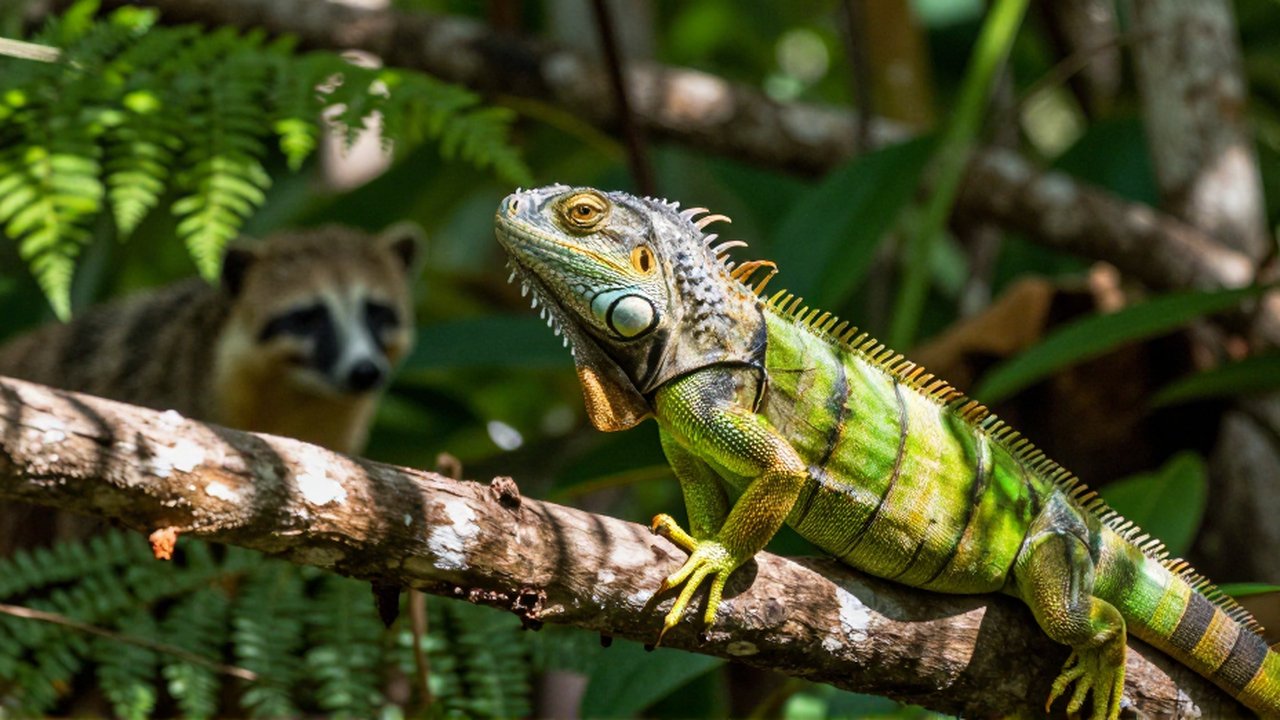
Successful wildlife spotting requires a combination of patience, stillness, and environmental awareness. The goal is to observe without disrupting the natural rhythm of the animal.
One of the most effective methods is "scanning." Instead of looking for the animal itself, look at the environment. Scan the tree trunks for patterns that break the natural texture of the bark, or watch the ground for sudden movements. Once you think you have spotted something, freeze. Movement is the primary trigger that causes wildlife to retreat, so mastering these wildlife observation techniques is key to getting a clear view.
Using binoculars can significantly enhance your experience, allowing you to observe the detailed scales of an iguana or the facial features of a small mammal from a safe distance. Additionally, timing your excursions is crucial. While iguanas are best observed during the bright midday hours when they are basking, small mammals are more likely to be active during the crepuscular wildlife viewing periods—dawn and dusk—or throughout the night.
Safety and coexistence with wild animals
While most iguanas and small mammals in the Dominican Republic are not inherently aggressive toward humans, it is vital to maintain a respectful boundary. Approaching too closely can cause the animal significant stress, potentially leading them to abandon their nesting sites or food sources.
Avoid the following common mistakes:
- Feeding wildlife: Providing food to wild animals disrupts their natural diet and can lead to dangerous habituation, where they lose their fear of humans. Human food is especially harmful to iguanas, whose digestive systems are adapted to leaves and fruit.
- Cornering animals: Always ensure the animal has a clear escape route. A cornered animal may bite or scratch in self-defense.
- Walking through dense brush blindly: Always be aware of where you step to avoid accidentally disturbing a nest or a small mammal's burrow.
By observing from a distance and respecting their space, you contribute to the conservation of the local ecosystem and ensure that these animals can continue to thrive in their natural habitats.
Frequently asked questions
Are iguanas dangerous to humans? Iguanas are generally shy and prefer to flee rather than fight. However, they can bite or lash their tails if they feel cornered or threatened. It is best to observe them from a distance.
What is the best time of day to see wildlife? For iguanas, midday is ideal as they bask in the sun. For many small mammals, the early morning, late evening, or night is more productive due to their nocturnal or crepuscular nature.
Can I approach small mammals if they look friendly? No. Even if an animal appears curious, you should never attempt to touch or approach wild mammals. They can carry parasites or diseases, and human contact can cause them extreme stress.
How can I tell the difference between a lizard and an iguana? Iguanas are generally much larger than common garden lizards and possess distinct features like a dewlap (the flap of skin under the chin) and a row of spines along their backs. In the Dominican Republic, the endemic Hispaniolan iguana is the species most likely to be encountered in dry coastal scrubland.
Leave a Reply