
Safety tips for swimming near tropical marine life
Introduction
Swimming in tropical waters offers a breathtaking connection to nature, providing a unique opportunity to observe vibrant coral reefs and diverse aquatic species. However, the very beauty that draws visitors to these ecosystems also houses organisms that possess natural defenses, such as stings, venom, or sharp structures. Understanding how to interact safely with marine life is essential for preventing injuries and ensuring a peaceful experience under the waves, and these ocean swimming safety tips apply whether you are a first-time visitor or a seasoned snorkeler.
Learning these safety protocols is most appropriate before you enter the water, whether you are snorkeling, diving, or simply wading in the shallows. Proactive awareness helps minimize the risk of accidental contact with jellyfish, sea urchins, or stinging corals. By following established best practices for tropical marine life safety, you protect both your physical well-being and the delicate balance of the marine environment you are exploring.
Respecting marine animal boundaries

The most fundamental rule of tropical swimming is to observe from a distance. Most marine animals, including sharks, rays, and even colorful reef fish, are not inherently aggressive toward humans but will react defensively if they feel threatened, cornered, or crowded. Maintaining a respectful distance prevents startling an animal, which is often the primary cause of unexpected encounters, and it is the single most reliable way to respect marine animal boundaries while enjoying the reef.
Avoid making sudden, jerky movements in the water, as these can be perceived by fish as the movements of a predator or a threat. Instead, move with calm, fluid motions. It is also vital to avoid touching, chasing, or attempting to feed marine life. Feeding animals disrupts their natural hunting instincts and can lead to unpredictable behavior, making them more likely to approach humans in a way that could result in bites or injury.
Identifying common hazards in tropical waters
Tropical environments host a variety of organisms that can cause discomfort or medical emergencies if encountered. Awareness of these common hazards is a key component of ocean safety, and knowing what to look for before you enter the water is the first step in any snorkeling safety tropical checklist.
- Stinging organisms: Jellyfish and certain types of plankton can cause skin irritation or severe stings through contact with their tentacles; jellyfish sting prevention begins with scanning the water surface for floating tentacles before you swim.
- Sharp structures: Sea urchins are often found in rocky crevices or sandy patches; their spines can break off in the skin, causing significant pain and potential infection, which is why sea urchin hazards are a leading reason to wear protective footwear in shallow water.
- Corals and sponges: Many coral species and certain sea sponges have microscopic or macroscopic structures designed to irritate or deter anything that touches them.
- Venomous fish: Some species, such as lionfish or stonefish, possess spines that deliver venom. They are often well-camouflaged against the reef, making them easy to step on or touch accidentally; stonefish venom is among the most potent of any fish, so never place your hands or feet where you cannot see clearly.
| Hazard Type | Common Example | Primary Risk |
|---|---|---|
| Tentacle-based | Jellyfish | Skin irritation or stinging |
| Spined-based | Sea Urchins | Punctures and broken spines |
| Camouflaged | Stonefish | Venomous stings upon contact |
| Surface-based | Man O' War | Severe stinging sensations |
Essential gear and protective clothing

Using the right equipment can provide a physical barrier between your skin and potentially irritating organisms. While many people prefer swimming in minimal clothing, wearing protective gear is a highly effective way to reduce the risk of stings and abrasions, and a rash guard swimming top is one of the simplest additions to your ocean safety kit.
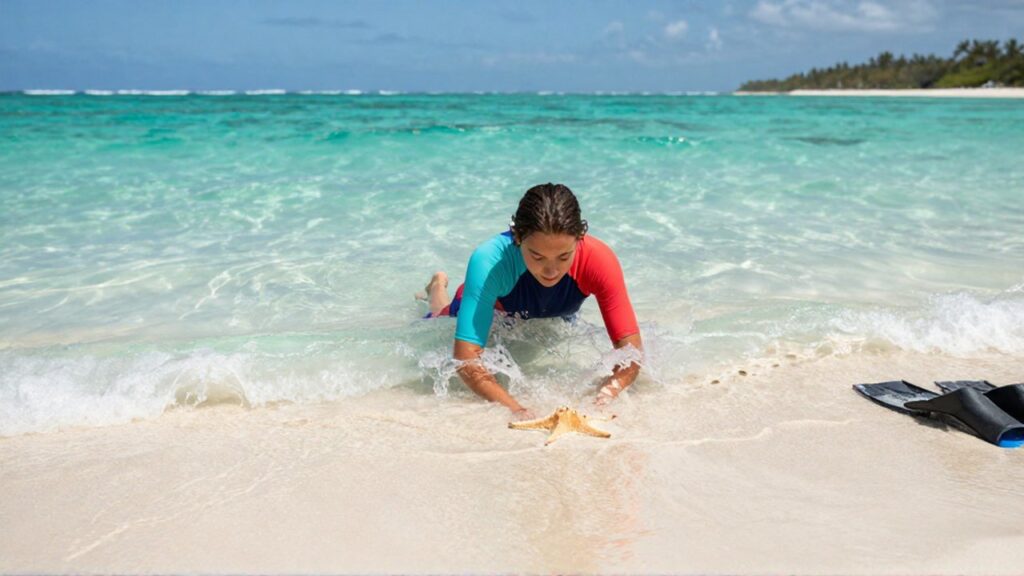
Rash guards or thin wetsuits are excellent choices for snorkeling and swimming in reef areas. These garments protect against jellyfish stings, coral scrapes, and even sun exposure. Additionally, wearing water shoes or booties can be a lifesaver when walking through shallow areas or rocky tide pools, as they provide protection against sea urchins and sharp shells. Always ensure your mask and snorkel are well-fitted to maintain clear visibility, which helps you spot hazards before you accidentally swim into them, and choose reef safe swimming practices by selecting sunscreens free of oxybenzone and octinoxate.
Best practices for reef interaction
When exploring coral reefs, the goal should be "look but don't touch." Corals are living animals, and even a light touch can damage their protective mucus layer, leaving them vulnerable to disease and death. To preserve the reef and your own skin, follow these steps, keeping in mind that stinging corals and fire coral are common in Caribbean waters and can cause painful welts on contact.
- Monitor your buoyancy: If you are snorkeling or diving, maintain good control over your position in the water to avoid drifting into coral formations.
- Watch your fins: A common mistake is accidentally kicking a coral head or a sea creature with fins. Be mindful of where your legs are moving at all times.
- Stay in designated areas: If you are at a beach or resort, stick to swimming areas that are monitored or known to be safe for human interaction.
- Avoid sand disturbance: Stirring up large amounts of sand can uncover hidden creatures like stingrays or sea urchins, potentially causing them to react defensively.
Frequently asked questions
What should I do if I am stung by a jellyfish? The immediate priority is to exit the water. Generally, rinsing the area with seawater rather than fresh water is recommended to prevent further irritation. Seek local medical assistance if you experience difficulty breathing or severe pain.
Are sharks a major danger to swimmers? While shark encounters can be intimidating, actual attacks are statistically very rare, and sharks danger swimmers is a concern that is largely exaggerated by media coverage. Most incidents occur when people inadvertently mimic the movements of prey or enter waters where sharks are feeding. Maintaining calm behavior and avoiding erratic splashes reduces this risk.
How can I tell if a rock area is dangerous? Areas with heavy seaweed, dark crevices, or irregular rock formations are common habitats for sea urchins and certain venomous fish. If you are unsure, it is safer to swim in sandy, open areas where visibility is higher.
Can sunlight affect how I interact with marine life? Yes, because sun exposure often leads people to swim more frequently or stay in the water longer, fatigue can set in. A tired swimmer is less observant and more likely to make mistakes. Using reef-safe sunscreen is also important to protect both your skin and the marine ecosystem.
Leave a Reply