
What to feed wild birds in Dominican Republic gardens
Introduction
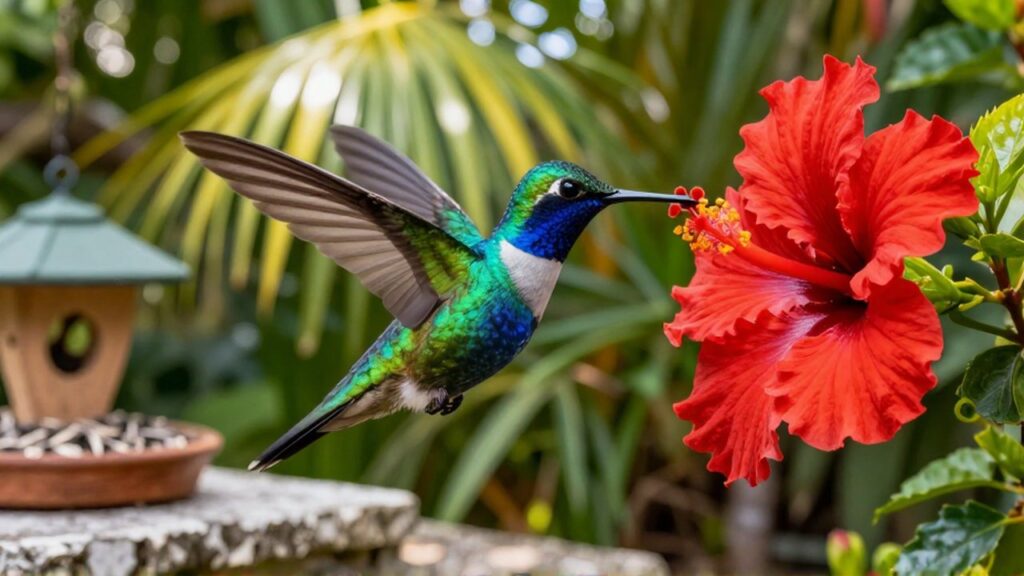
Transforming your garden into a sanctuary for local avian species is a rewarding way to connect with the natural beauty of the Dominican Republic. Providing supplemental food helps maintain bird populations, especially during seasonal shifts or when natural fruit and nectar sources are scarce. By understanding the specific dietary needs of tropical birds, you can encourage a diverse range of species to visit your outdoor space, from hummingbirds to tanagers and orioles.
Feeding wild birds is not just about scattering seeds; it is about providing high-quality nutrition that supports their energy levels and reproductive success. When done correctly, bird feeding creates a balanced ecosystem in your backyard, inviting vibrant colors and melodic songs. This guide will help you identify the right food types and methods to support the unique wildlife found in the Caribbean.
Best food types for tropical birds
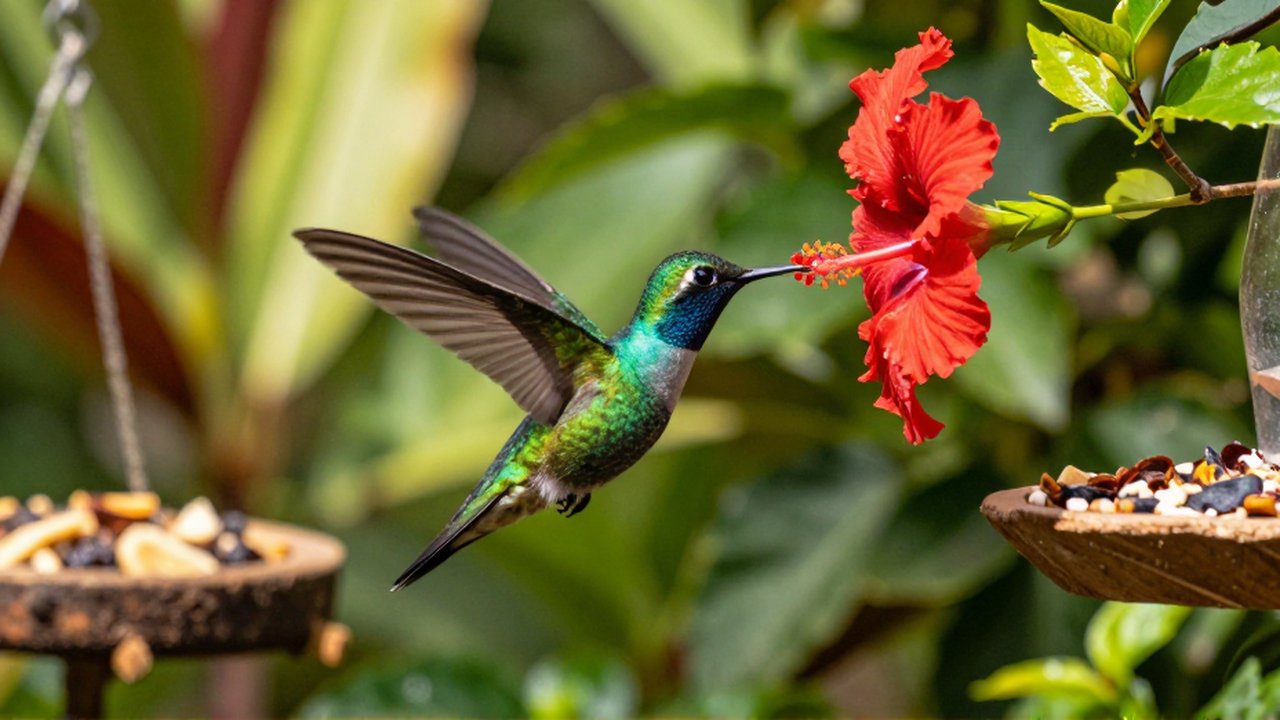
The birds found in Dominican gardens have diverse diets, ranging from nectar-drinkers to fruit-eaters and insectivores. To attract a variety of species, you should offer a mix of food sources that cater to these different biological needs.
Nectar and Sugar Solutions Hummingbirds are among the most iconic visitors to Dominican gardens. They require high-energy liquid food to sustain their rapid metabolism. A simple solution of white granulated sugar and water is the standard. It is essential to use a ratio of approximately one part sugar to four parts water, the classic hummingbird nectar recipe sugar water ratio recommended by wildlife agencies. Avoid using honey, artificial sweeteners, or brown sugar, as these can be harmful to the birds' digestive systems.
Fresh Fruit Many tropical birds, such as various species of tanagers and orioles, are frugivores. Providing slices of ripe fruit can be highly effective for feeding tropical birds in your garden. Soft, sweet fruits work best. Good options include:
- Papaya
- Mango
- Banana
- Watermelon
Seeds and Grains While many tropical species prefer fruit or nectar, some ground-feeding birds and certain finches may be attracted to seeds. Black oil sunflower seeds are a universal favorite because of their high fat content and thin shells, and they work well for tropical birds even in the Caribbean. However, in a tropical climate, seeds can spoil quickly due to humidity, so they must be monitored closely and offered in small quantities.
Insects and Protein Insectivorous birds play a vital role in controlling garden pests, acting as a natural form of pest control. While you cannot easily "feed" these birds in a bowl, maintaining a garden with native plants encourages the natural presence of caterpillars, spiders, and small insects, which serve as a primary food source for many local species.
Strategies for successful bird feeding
Setting up a feeding station requires more than just placing food on a table. To ensure the safety of the birds and the cleanliness of your garden, consider the following practical steps.
Location and Safety Place feeders in locations that offer both visibility and protection, keeping bird feeder placement safety in mind. Birds need to see potential predators, such as cats, approaching from a distance. However, they also need nearby shrubs or trees where they can quickly hide if they feel threatened. Avoid placing feeders directly against a window to prevent collisions; instead, place them a few feet away from glass surfaces.
Hygiene and Maintenance The tropical climate of the Dominican Republic, characterized by high humidity and warmth, promotes the rapid growth of mold, fungus, and bacteria. To prevent the spread of avian diseases, you must clean your feeders regularly. Use a diluted bleach solution or specialized bird-safe cleaner to scrub feeders once a week, ensuring they are thoroughly rinsed and dried before being refilled. This routine is essential for bird feeder hygiene in a tropical climate.
Water Accessibility Food is only one part of a complete habitat. A clean water source for drinking and bathing is equally important. Birdbaths should be shallow and kept filled with fresh, moving water to prevent mosquito breeding and to keep the water from becoming stagnant. A well-placed bird bath for wild birds in the tropics also helps them cool down during the hottest hours of the day.
Common mistakes to avoid
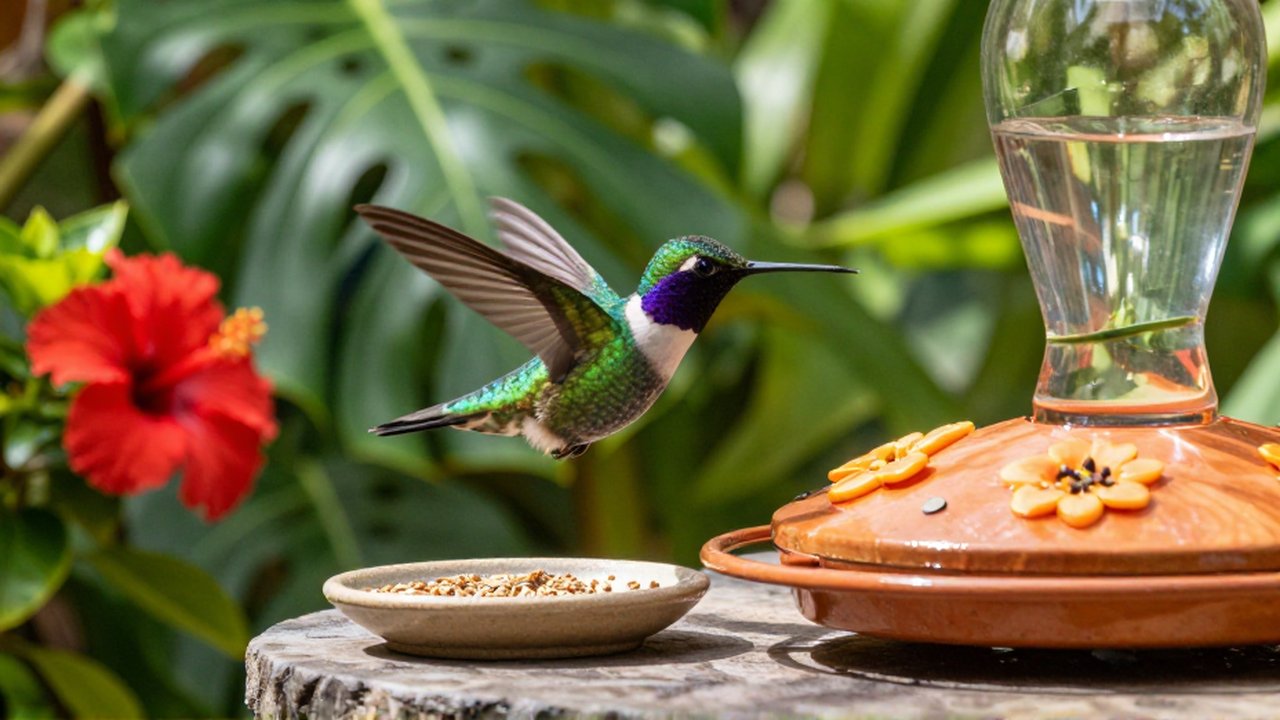
Feeding wild birds is an act of stewardship, which means avoiding practices that could inadvertently harm the animals you are trying to help.
One frequent mistake is providing processed human foods. Bread, crackers, and salty snacks offer little nutritional value and can lead to malnutrition or even death in wild birds. Always stick to natural, whole food sources such as fresh fruit and seeds rather than kitchen scraps.
Another mistake is overfeeding or leaving food out for too long. In the Caribbean heat, fruit can ferment quickly and seeds can grow mold. If you notice food looking discolored, smelling sour, or appearing damp, remove it immediately. Leaving spoiled food can attract unwanted pests like rodents or ants, which may displace the birds you wish to attract.
Frequently asked questions
Should I use red dye in hummingbird nectar? No. Red dye is unnecessary and can be harmful to hummingbirds. The red color of the feeder itself is enough to attract them. Stick to a pure sugar and water mixture to ensure their health.
How often should I clean my bird feeders? In a tropical environment, it is best to clean feeders at least once a week. High humidity increases the risk of bacterial growth, so frequent cleaning is vital for preventing disease outbreaks among local bird populations.
Can I feed birds during the rainy season? Yes, feeding during the rainy season is very beneficial as natural food sources can become harder to find. However, you must ensure that your feeders are designed to shed water so the food remains dry and does not become a soggy, moldy mess. This is especially important in the humid Caribbean climate, where mold can develop within a day or two.
Will feeding birds attract rats or other pests? It can, if food is left on the ground or if feeders are constantly overflowing. To prevent this, use hanging feeders that are difficult for rodents to access and ensure you only provide the amount of food that will be consumed quickly.
Leave a Reply