
Proper ways to observe wild reptiles without disturbing them

Introduction
Observing wild reptiles in their natural habitat offers a unique window into the intricate ecosystems of the Dominican Republic and beyond. Whether spotting a small lizard on a limestone wall or watching a snake move through the undergrowth, these encounters provide invaluable educational opportunities and a deeper connection to nature. Understanding how to practice ethical wildlife observation without causing these animals stress is essential for both the well-being of the wildlife and the safety of the observer.
The primary goal of ethical wildlife observation is to witness natural behaviors—such as basking, hunting, or moving through terrain—without altering the animal's course. When a reptile feels threatened, it may flee, hide, or even strike, which wastes its precious energy and disrupts its biological rhythms. By following specific guidelines, enthusiasts can enjoy a rewarding experience while ensuring that the local biodiversity remains healthy and undisturbed.
Essential principles for ethical observation
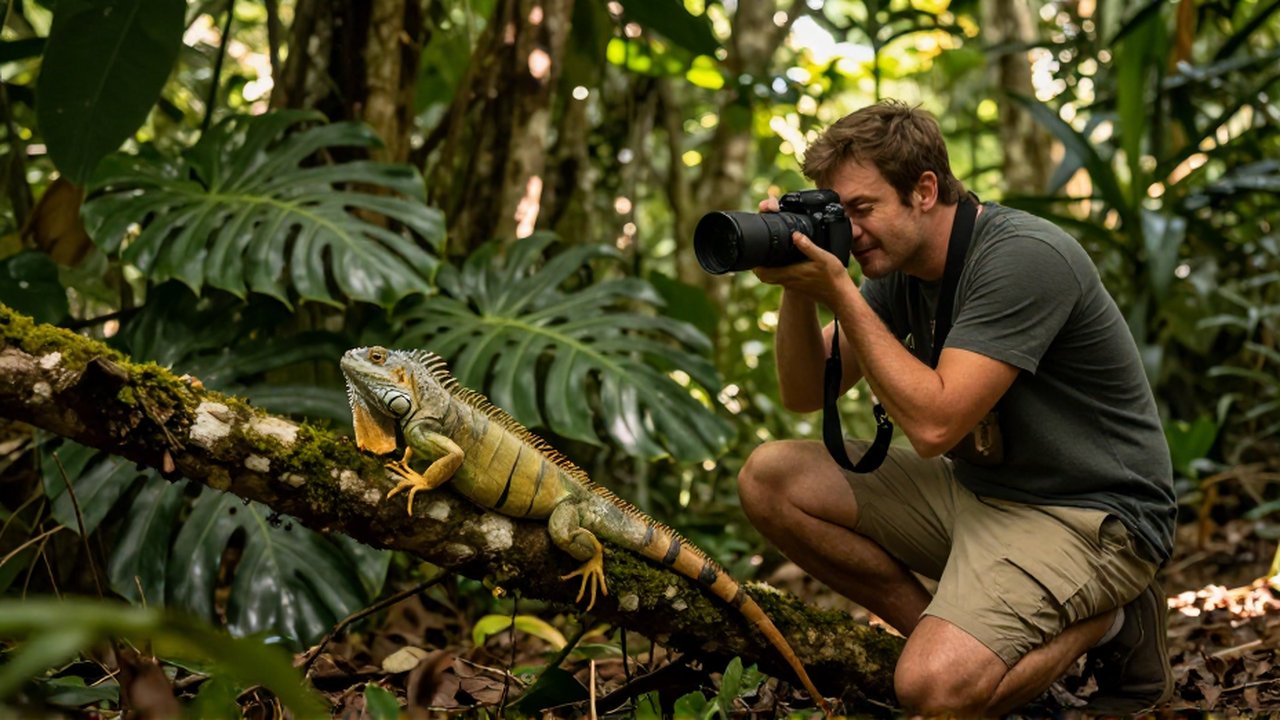
The foundation of respectful wildlife viewing is the concept of non-interference. Reptiles are highly sensitive to changes in their immediate environment, particularly regarding temperature and movement. In tropical climates, many reptiles rely heavily on thermoregulation, meaning they spend significant time basking in the sun to manage their body temperature. If an observer approaches too closely, the reptile may abandon its sunning spot, leading to a drop in metabolic efficiency and leaving it more vulnerable to predators while it searches for a new basking site.
To observe effectively, one must maintain a respectful distance. It is always better to view an animal through binoculars for wildlife viewing or a camera lens with zoom capabilities rather than physically moving toward it. If the animal changes its behavior because of your presence—such as freezing, fleeing, or attempting to hide—you have already crossed the threshold of acceptable distance. Staying still and quiet allows the animal to settle back into its natural routine, providing a more authentic view of its life.
Practical steps for a successful encounter
Successful and safe observation requires preparation and specific physical behaviors. Following these steps will help you blend into the environment rather than intruding upon it.
- Use slow and deliberate movements: Sudden, jerky motions are perceived as predator attacks. If you need to adjust your position, move slowly and smoothly, pausing frequently so the reptile can register that you are not a threat.
- Control your noise levels: Reptiles do not have external ears like mammals, but they are highly sensitive to ground vibrations and sudden acoustic shifts. Keep voices low, avoid heavy footsteps, and walk on softer ground when possible to minimize the vibrations you transmit through the substrate.
- Dress in neutral colors: Bright or high-contrast clothing can trigger a flight response. Earth tones like greens, browns, and tans help you remain inconspicuous, and choosing neutral colors for wildlife viewing also reduces the chance that a reptile mistakes you for a predator before it even sees you clearly.
- Avoid direct eye contact and sudden shadows: Many reptiles are sensitive to shadows passing over them. Standing directly between the sun and the animal can cause them to perceive you as a large predator.
Common mistakes to avoid during wildlife viewing
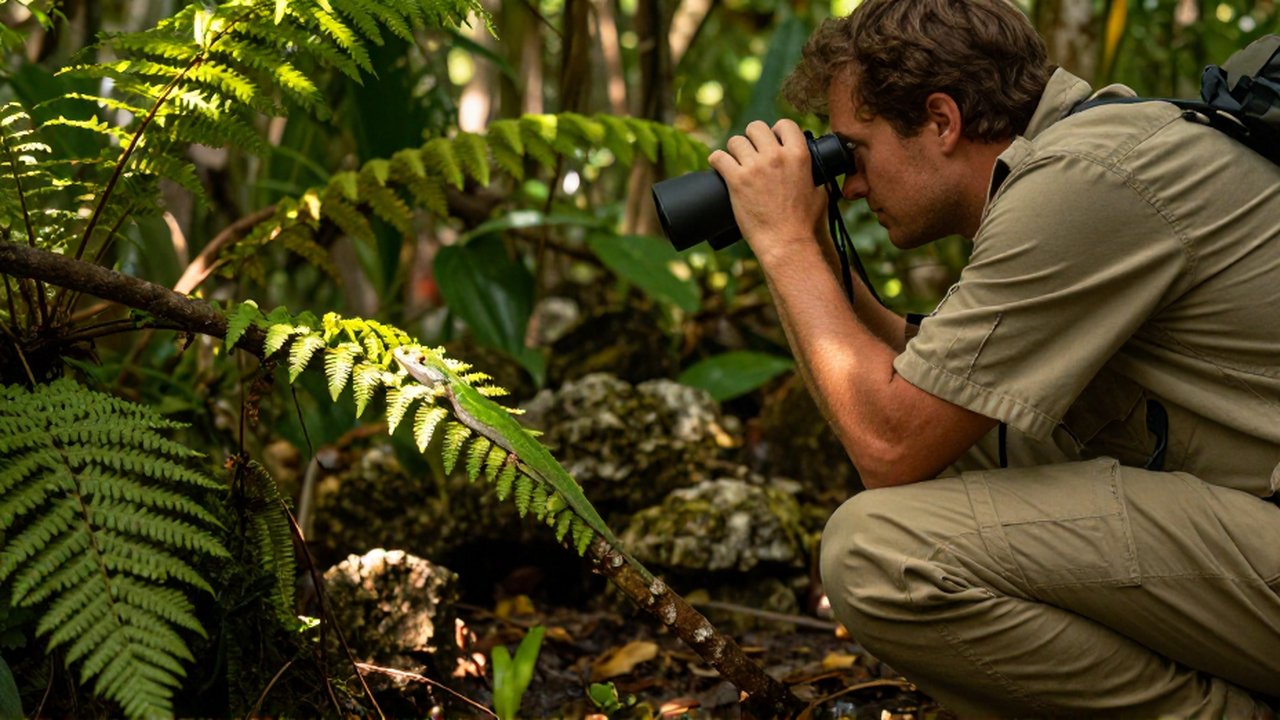
Even well-intentioned observers can inadvertently harm wildlife through common errors. One of the most frequent mistakes is the urge to touch or handle the animal. Beyond the risk of being bitten, handling a reptile transfers heat and oils from human skin to the animal and can cause physical injury to their delicate scales and organs. The safest rule is to avoid touching reptiles entirely, no matter how docile they appear.
Another common error is the practice of "flushing" animals for a better photo. This involves poking around foliage or throwing stones to force a reptile out into the open. This behavior is highly stressful and can lead to exhaustion or increased vulnerability to actual predators. Furthermore, providing food to attract reptiles is a poor practice, as it habituates them to humans and disrupts their natural hunting instincts and dietary balance.
Safety precautions and environmental awareness
While observing wildlife, your personal safety and the preservation of the habitat are paramount. Always be aware of your surroundings and the specific species present in the area. In many regions, some reptiles may be venomous or possess defensive bites. Teaching yourself to identify local species can help you maintain a safe buffer zone and recognize the early signs of a defensive posture before it escalates.
Additionally, respect the physical landscape. Avoid trampling delicate vegetation or disturbing rocks and logs, as these are often the homes and shelters for the very animals you wish to see. Staying on established paths whenever possible minimizes your ecological footprint and prevents habitat fragmentation.
Frequently asked questions
Is it okay to use flash photography when taking pictures? It is best to avoid using a flash. The sudden burst of light can startle the animal and temporarily disorient its vision, which may cause it to flee or expose itself to predators.
What should I do if a reptile approaches me? If a reptile moves toward you, remain calm and still. Do not make sudden movements or try to swat it away. Give the animal space to pass by, and once it has moved away, slowly retreat to a safe distance.
Can I use scent-masking sprays to get closer? While some people use these, it is generally unnecessary if you follow the rule of slow movement and staying at a distance. Avoiding strong perfumes or heavy lotions is a simpler way to remain less noticeable.
How can I tell if a reptile is stressed by my presence? Signs of stress include rapid breathing, attempting to hide aggressively, sudden bursts of speed to escape, or displaying defensive postures like gaping their mouths wide. If you see these behaviors, you should immediately back away and give the animal space to recover before continuing your observation from a greater distance.
Leave a Reply