
Costs involved in rescuing and rehabilitating street pets
Introduction
Rescuing a street animal is a profound act of compassion that transforms a life from suffering to safety. However, many well-intentioned individuals and small rescue organizations underestimate the financial commitment required to move a pet from the streets to a stable home. Understanding the costs involved in rescuing and rehabilitating street pets is essential for anyone planning to volunteer, foster, or manage a rescue operation, as it allows for better budgeting and more sustainable long-term care.
The process of rehabilitation is rarely a single expense; rather, it is a series of cumulative stages ranging from immediate emergency intervention to long-term preventative maintenance. By preparing for these financial requirements, rescuers can ensure that the animals under their care receive the high-quality medical attention and nutritional support necessary for a full recovery. This article outlines the primary financial pillars involved in the rescue and rehabilitation journey.
Immediate emergency medical expenses
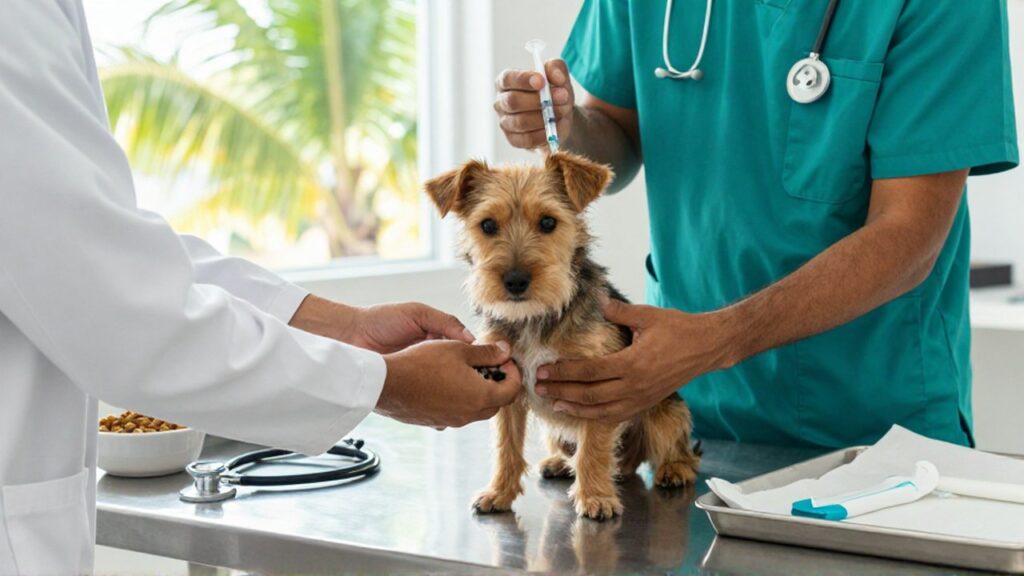
The first and often most unpredictable cost in any rescue scenario is emergency veterinary care. Street animals frequently arrive in critical condition, suffering from injuries, malnutrition, or acute illnesses caused by exposure to the elements or accidents. These initial interventions are vital for stabilizing the animal but can be quite substantial, and the expenses of animal rescue operation often begin before the animal is even safely indoors.
Immediate costs typically include diagnostic tests for rescued animals, such as blood work, X-rays, or ultrasounds to identify internal injuries or underlying diseases. Following diagnosis, there may be costs for surgical procedures, wound care, or the administration of intravenous fluids. Because these situations are urgent, the initial financial outlay is often the largest hurdle for independent rescuers, so preparing for pet rescue costs in advance can reduce the stress of an already difficult moment.
Diagnostic and preventative healthcare

Once an animal is stabilized, the focus shifts from emergency survival to comprehensive health management. This stage involves identifying chronic issues that may have been hidden during the initial crisis. Routine screenings are necessary to ensure the pet is safe for adoption and free from communicable diseases, and they form the backbone of preventative healthcare for stray pets.
Common preventative and diagnostic expenses include:
- Parasite Control: Treatment for internal parasites (worms) and external parasites (fleas, ticks, and mites) is mandatory for street animals, and parasite control for rescued animals should begin within the first days of intake to prevent infestations from spreading to other pets.
- Vaccination Protocols: A full series of core vaccines is required to protect the animal and prevent the spread of diseases in shared environments; vaccination protocols for stray pets typically follow the schedule recommended by the attending veterinarian based on the animal's age and condition.
- Spaying and Neutering: This is a critical step in controlling the stray population and is a standard part of the rehabilitation process, as spaying and neutering rescued animals prevents future litters and reduces the long-term burden on shelters.
- Microchipping: A small but essential cost to ensure the pet can be identified and returned if lost after adoption; microchipping rescued pets is a one-time expense that dramatically improves the chances of reuniting with a lost animal.
Nutritional and daily sustenance requirements
Rehabilitating a street pet requires more than just medical care; it requires consistent, high-quality nutrition to rebuild their physical strength. Animals coming from the streets often suffer from stunted growth, muscle wasting, or digestive issues due to poor-quality food scraps or periods of starvation, so nutritional requirements for street pets differ markedly from those of well-fed companion animals.
The cost of food can be a significant recurring expense, especially when managing multiple rescues simultaneously. Specialized diets for rescued animals may be required, such as high-calorie formulas for recovering underweight animals or prescription diets for those with kidney or digestive sensitivities. Beyond food, daily sustenance also includes litter for cats, training aids, and basic grooming supplies to maintain hygiene and skin health.
Shelter and logistical management

For those managing a rescue or fostering, there are indirect costs associated with providing a safe environment. While a home may provide the space, certain shelter supplies for rescued pets are necessary to create a sanitary and comfortable rehabilitation area, and these recurring purchases should be factored into any monthly budget.
| Item Category | Purpose | Impact on Rehabilitation |
|---|---|---|
| Sanitation Supplies | Cleaning floors, crates, and bedding | Prevents the spread of zoonotic diseases |
| Bedding and Crates | Providing a secure sleeping area | Reduces stress and encourages rest |
| Transportation | Fuel and vehicle maintenance | Facilitates veterinary visits and transport |
| Storage | Organizing food and medical supplies | Ensures efficiency and prevents spoilage |
Long term rehabilitation and behavioral support
The final stage of rehabilitation is often psychological. Street animals frequently suffer from trauma, fear, or lack of socialization, which can manifest as anxiety or aggression. Addressing these behavioral issues is crucial for ensuring a successful adoption and a stable life in a domestic setting.
Behavioral rehabilitation may involve the cost of professional training sessions, specialized enrichment toys to stimulate mental health, and calming supplements. While less tangible than medical bills, the investment in an animal's temperament is what ultimately determines whether they can successfully integrate into a human household, and behavioral support for rescued animals is often the difference between a successful adoption and a return to the shelter.
Frequently asked questions
Can I rescue an animal without spending much money? While some minimal costs are unavoidable, such as food and basic parasite prevention, a rescue that does not account for veterinary fees can quickly become unsustainable. It is highly recommended to have an emergency fund or a support network before taking on a rescue.
Is spaying and neutering considered an emergency expense? Generally, no. While it is a critical component of responsible pet ownership and population control, it is usually a scheduled procedure performed once the animal is healthy and stable, rather than an immediate life-saving intervention.
Why are diagnostic tests so expensive in rescue cases? Diagnostic tests require specialized equipment and professional expertise to interpret results. For street animals, these tests are often more complex because their medical history is unknown, requiring a "start from scratch" approach to their health profile.
How can I prepare for the costs of rescuing a pet? Preparation involves researching local veterinary costs, building a dedicated savings account for animal care, and establishing relationships with local clinics or rescue organizations that might offer assistance or guidance.
Leave a Reply