Effective methods for sanitizing pet walking leashes
Introduction
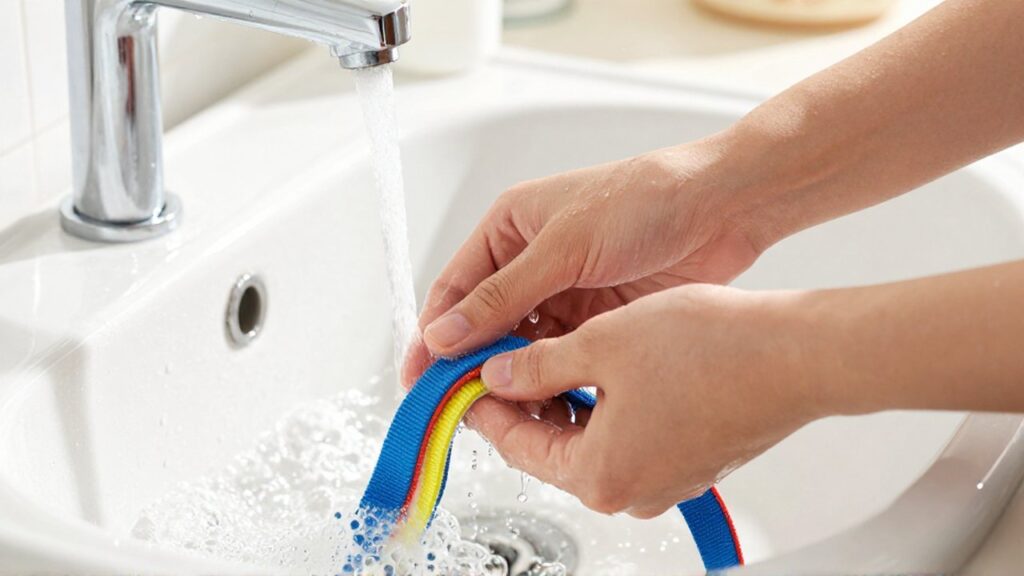
A pet walking leash is one of the most frequently handled pieces of equipment in any pet owner's arsenal. Because it transitions between your hands and the ground, it is constantly exposed to a variety of external contaminants, including bacteria, allergens, mud, and environmental pathogens. Regularly sanitizing your leash is essential not only for maintaining personal hygiene but also for preventing the transfer of germs from the outdoors back into your home environment, which is why a consistent leash hygiene routine should be part of every walk.
Proper sanitation ensures that your walking gear remains durable and pleasant to use. Over time, accumulated dirt and oils can degrade materials like nylon or leather, leading to odors and structural weakness. By implementing a consistent cleaning routine, you protect both your health and the longevity of your pet's accessories. This guide explores the most effective ways to sanitize different types of leashes based on their specific material compositions, from routine washing to targeted disinfection of leashes for dogs.
Importance of regular leash sanitation
Maintaining a clean leash is a matter of public and personal health. During daily walks, leashes come into contact with sidewalks, grass, and potentially contaminated surfaces where other animals may have left biological traces. If a leash is not properly sanitized, it can become a vector for transporting microorganisms into your living space, so regular cleaning of leashes for pets should be scheduled just like any other household chore.
Beyond hygiene, regular cleaning helps in early detection of equipment failure. When you wash your leash, you are more likely to notice fraying, cracks in hardware, or thinning of the fabric. This allows you to replace the item before a critical failure occurs during a walk, ensuring the safety of both the pet and the handler.
Cleaning methods for nylon and synthetic leashes
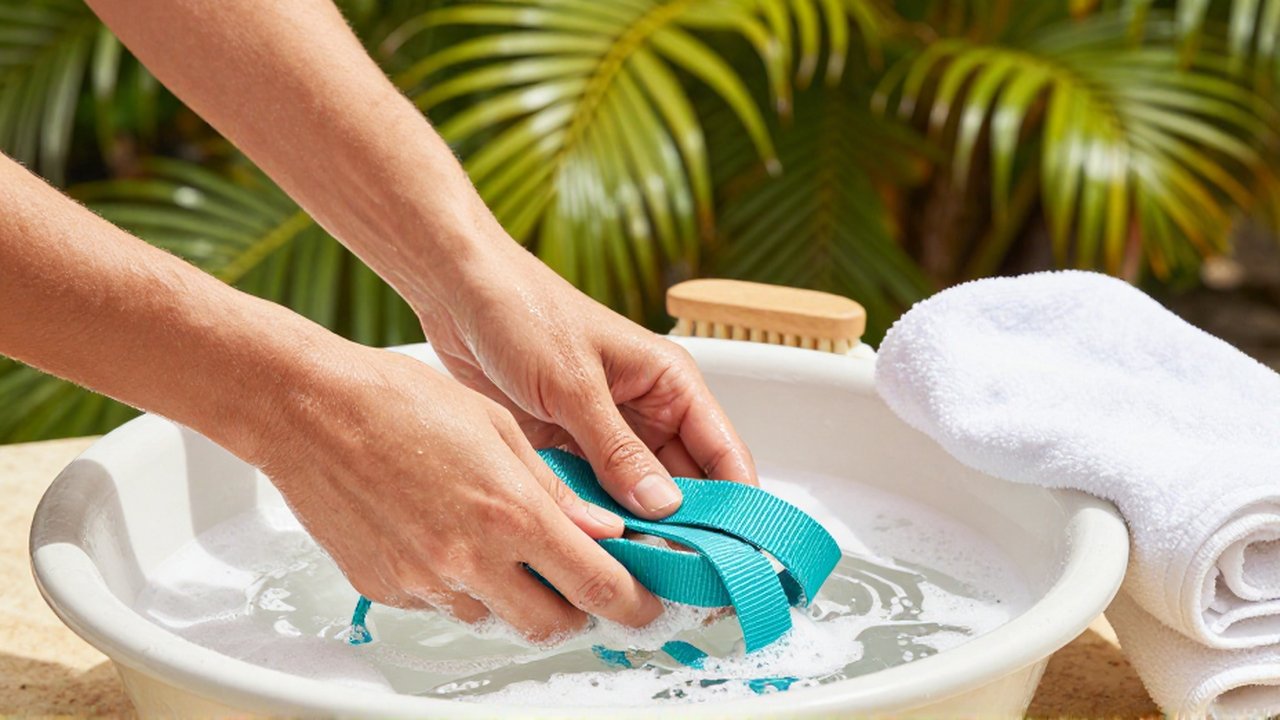
Nylon leashes are popular due to their strength and resistance to moisture, making them ideal for the tropical climates found in regions like the Dominican Republic. Because they are highly durable, they can withstand more vigorous cleaning methods than other materials, and knowing how to clean a nylon leash properly will extend its useful life considerably.
To sanitize a synthetic leash, follow these steps: 1. Manual washing: Fill a basin with warm water and a mild, pet-safe detergent. Submerge the leash and agitate it with your hands to loosen dirt. 2. Machine washing: If the leash does not have delicate metal attachments that could be damaged, you can place it in a mesh laundry bag and wash it on a gentle cycle with cool water; washing a dog leash in the machine is safe only when the hardware is fully detachable or well protected. 3. Rinsing: Ensure all soap residue is completely rinsed out, as dried detergent can irritate your skin or your pet's fur. 4. Drying: Lay the leash flat on a clean towel in a shaded area. Avoid direct sunlight for extended periods, as intense UV rays can sometimes weaken synthetic fibers over time.
Sanitizing leather leash professional care
Leather leashes require a much more specialized approach. Unlike synthetic materials, leather is a natural material that can crack, shrink, or develop mold if it becomes overly saturated with water or harsh chemicals. Sanitizing leather is more about controlled cleaning and conditioning than deep soaking, so caring for leather leashes demands patience and the right products.
For leather products, avoid submerging them in water. Instead, use a damp cloth with a very small amount of specialized leather cleaner to wipe away surface dirt and microbes. Once the surface is clean, it is crucial to apply a leather conditioner. This step replaces the natural oils that are stripped away during cleaning, keeping the leather supple and preventing it from becoming brittle. Always check the manufacturer's instructions, as some high-end leashes may require professional cleaning to maintain their warranty; this is the safest way to clean a leather leash without risking permanent damage.
Sanitizing metal hardware and clips
The metal components of a leash, such as the bolt snap or the D-rings, are often overlooked during cleaning. These parts are susceptible to corrosion, especially in humid or coastal environments. Metal hardware can also collect grime in the crevices of the spring-loaded mechanisms, so cleaning the metal fittings of a leash should never be skipped during your routine.
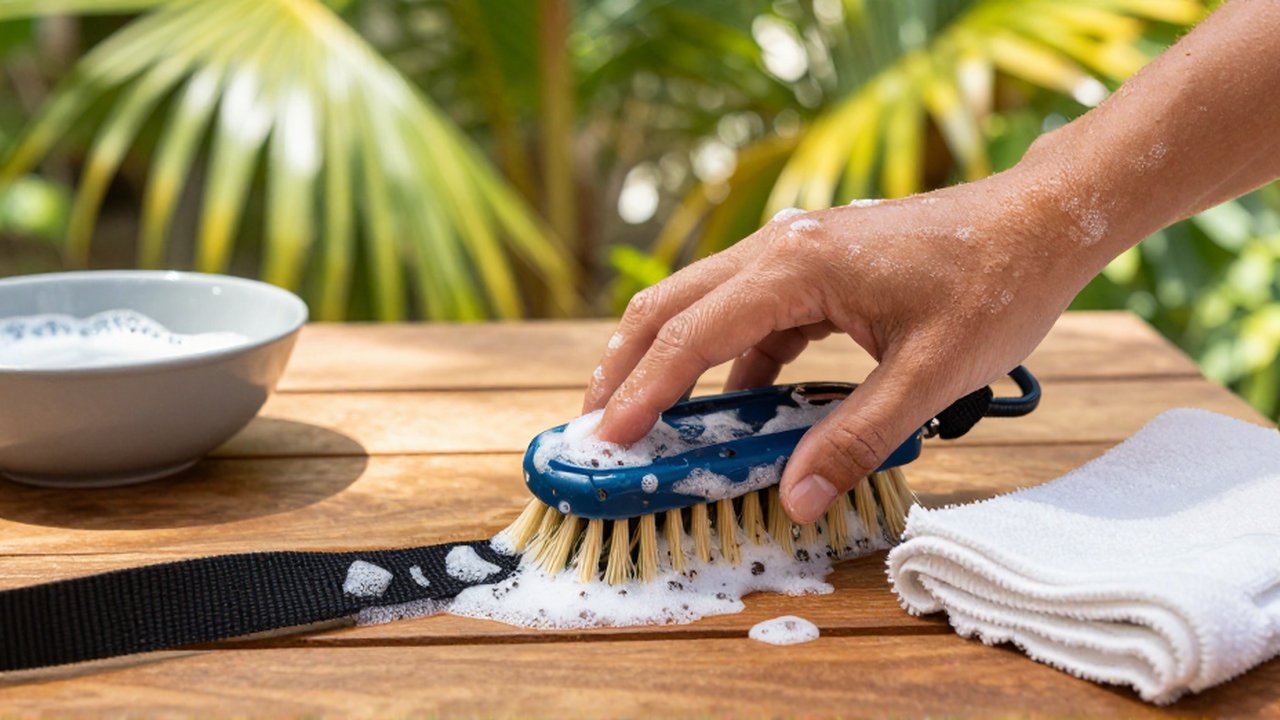
To clean hardware, use a soft brush, such as an old toothbrush, dipped in a mixture of water and mild soap. Scrub the joints and spring mechanisms to remove trapped particles. If there is visible oxidation, a specialized metal cleaner may be necessary, but ensure you wipe it off completely to prevent any residue from transferring to the leash material or your pet's skin. Drying the metal thoroughly is vital to prevent rust, and this step is part of the proper disinfection of dog leashes after every deep clean.
Comparison of cleaning approaches
| Leash Material | Primary Cleaning Method | Key Risk | Recovery Step |
|---|---|---|---|
| Nylon/Synthetic | Soap and water (Hand or Machine) | Fading from sun | Air dry in shade |
| Leather | Damp cloth and mild cleaner | Cracking or mold | Condition with oil |
| Biothane/Rubber | Wipe down with soapy water | Slippery when wet | Wipe dry immediately |
Common mistakes to avoid during sanitation
One of the most frequent errors is using overly aggressive chemicals, such as bleach or strong disinfectants, on pet gear. These substances can be toxic if they linger on the leash and are later transferred to your hands or your pet's mouth. Always opt for pH-neutral, pet-safe soaps, and avoid the common mistakes when cleaning pet leashes that can shorten their lifespan.
Another mistake is improper drying. Leaving a leather leash to dry in direct, hot sunlight can cause permanent damage, while leaving a nylon leash bunched up while wet can lead to musty odors and mold growth. Always ensure the leash is completely dry before storing it in a closed drawer or clip, and follow the correct drying method for pet leashes to prevent mold from taking hold.
Frequently asked questions
How often should I sanitize my pet's leash? For regular daily use, a thorough cleaning once every two to four weeks is usually sufficient. However, if your pet walks in muddy or high-traffic areas, you may need to clean it more frequently; establishing a regular cleaning frequency for your dog leash keeps both you and your pet safe.
Can I use hand sanitizer to clean my leash? It is not recommended. Hand sanitizers often contain high concentrations of alcohol that can dry out leather and degrade certain synthetic fibers, potentially causing the leash to fail.
How do I know if my leash is no longer safe to use? If you notice significant fraying in nylon, deep cracks in leather, or if the metal spring mechanism becomes stiff or fails to latch securely, it is time to replace the leash immediately.
Will washing my leash affect its color? Frequent washing with harsh detergents can cause colors to fade. Using mild detergents and avoiding prolonged exposure to direct sunlight during the drying process helps preserve the original color.
Leave a Reply