
Frequency of professional grooming for Caribbean pets
Introduction
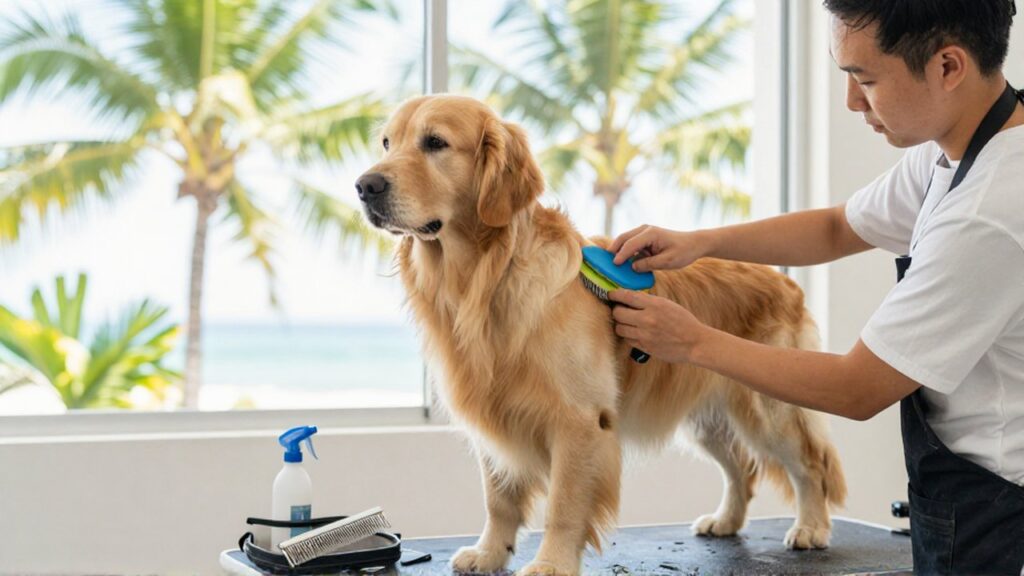
Maintaining a pet's hygiene in the Caribbean requires a different approach than in temperate climates. The combination of high humidity, intense tropical sun, and constant exposure to salt air or sand means that coats, skin, and paws are under continuous environmental stress. Professional grooming is not merely a cosmetic luxury in these regions; it is a vital component of preventative health care that helps manage heat regulation and prevents skin infections, and it works best when paired with a consistent home brushing routine between visits.
Knowing how often to visit a professional groomer depends on several variables, including your pet's breed, coat type, and lifestyle. Because tropical weather can cause rapid matting and increased bacterial growth in damp fur, a standardized schedule may not work for everyone. Establishing a consistent routine ensures that your pet remains comfortable, avoids painful skin issues, and stays protected against the specific challenges of a tropical environment, from fungal flare-ups to embedded sand.
Impact of tropical climate on pet grooming needs
The Caribbean climate presents unique challenges for animal hygiene. High humidity levels can trap moisture against a pet's skin, creating a breeding ground for yeast and bacteria. For dogs with thick or double coats, this moisture can lead to "hot spots" or dermatological issues if the fur is not cleaned and dried properly, which is why professional de-shedding of double-coated breeds is especially valuable in humid coastal areas.
Furthermore, the presence of sand and salt in coastal areas adds a layer of physical irritation. Sand can become deeply embedded in long hair, causing discomfort and pulling at the skin, while salt can dry out the coat and dehydrate the skin. Regular professional sessions help remove these abrasive elements and restore the natural oils that the sun and salt inevitably strip away, keeping tropical pet skin healthy and resilient.
Factors determining grooming frequency
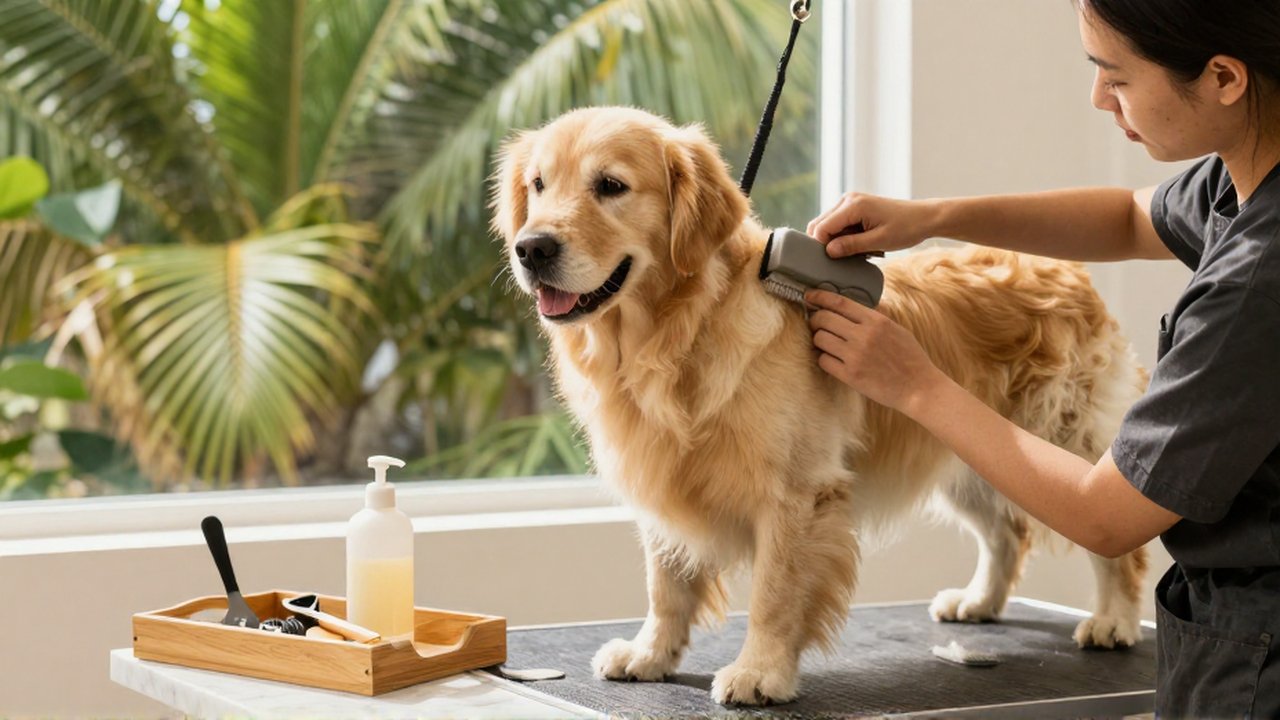
Determining the right schedule involves evaluating the specific needs of your animal. No two pets require the same frequency, and owners should consider the following criteria when planning their grooming for pets in the Caribbean:
- Coat Type: Long-haired, curly, or double-coated breeds require more frequent professional attention to prevent matting and manage shedding. Short-haired breeds may only need professional grooming for nail trimming and ear cleaning, though they still benefit from regular brushing to distribute natural oils.
- Activity Level: Pets that spend significant time outdoors in gardens, beaches, or tropical trails will accumulate more debris, necessitating more frequent baths and thorough brushing.
- Age and Health: Senior pets may require more frequent assistance with hygiene due to mobility issues, while puppies need early socialization and gentle grooming to establish a routine. For grooming for dogs senior, shorter, more frequent sessions are often easier to tolerate than long ones.
- Skin Sensitivity: Animals prone to allergies or skin irritations may benefit from more regular professional cleaning to keep environmental allergens at bay.
General grooming schedules by breed category
While every pet is an individual, the following table provides a general guideline for professional visits based on coat characteristics. These ranges assume a healthy pet with no active skin condition; adjust the frequency of professional bathing according to coat type and seasonal shedding.
| Breed Coat Category | Recommended Frequency | Primary Focus |
|---|---|---|
| Short/Smooth Coats | Every 6 to 8 weeks | Nail trimming, ear cleaning, and sanitary clips. |
| Double Coats | Every 4 to 6 weeks | De-shedding, skin checking, and seasonal coat management. |
| Long/Silky Coats | Every 4 to 5 weeks | Preventing mats, deep cleansing, and styling. |
| Curly/Hypoallergenic | Every 4 to 6 weeks | Preventing tangles and managing hair growth. |
Risks of infrequent professional grooming
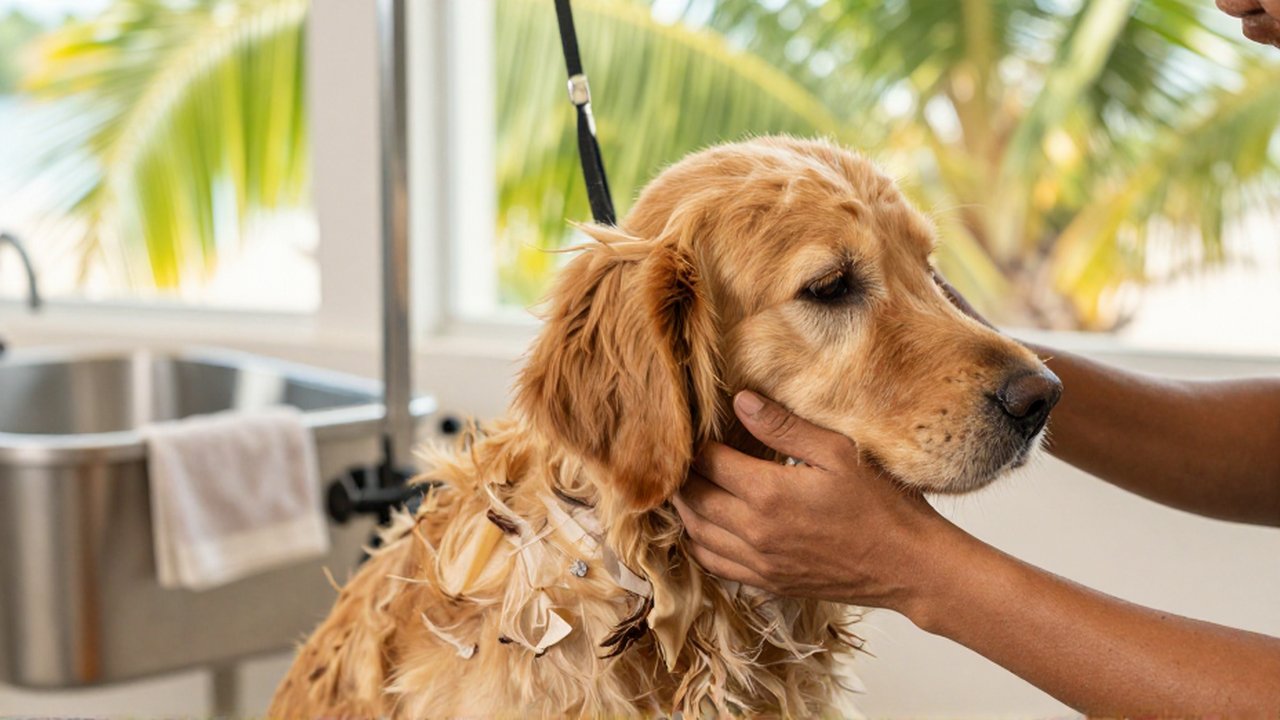
Skipping grooming sessions in a tropical climate carries more than just aesthetic risks. One of the primary dangers is the development of severe matting. In humid weather, mats can pull tightly against the skin, restricting blood flow and trapping moisture underneath, which often leads to painful infections or sores. Regular brushing at home between professional visits is the most effective way to prevent knots and tangles in dogs before they tighten.
Additionally, neglected grooming can mask underlying health issues. Professional groomers are often the first to notice unusual lumps, skin changes, or parasite infestations like ticks and fleas, which are prevalent in tropical regions. Regular visits ensure these issues are identified early, allowing for timely veterinary intervention and supporting overall preventive veterinary care for your pet.
Benefits of a consistent grooming routine
Establishing a regular cadence for professional grooming offers several long-term advantages for pet owners. It promotes better temperature regulation, as a clean and properly trimmed coat allows for better airflow, which is crucial in the Caribbean heat. It also reduces the amount of hair and debris found around the home, and it helps prevent heat stroke in pets by removing the excess undercoat that traps body heat.
Beyond physical health, regular grooming helps reduce anxiety for the pet. By making grooming a routine part of their life, pets become accustomed to the handling and environment, making the process much smoother and less stressful for both the animal and the owner.
Frequently asked questions
How can I tell if my pet needs a professional bath immediately? If you notice a persistent unpleasant odor, visible dirt or sand embedded in the fur, or signs of skin irritation like redness or itching, it is time for a professional cleaning. In humid climates, a musty smell often signals trapped moisture that needs thorough drying.
Does professional grooming include nail care? Yes, most professional grooming services include nail trimming and filing. This is particularly important in the Caribbean to prevent overgrowth caused by walking on softer tropical surfaces.
Can grooming help with tropical heatstroke prevention? While grooming does not replace shade and hydration, a well-maintained coat helps with thermoregulation. Removing excess dead hair and preventing heavy matting allows heat to escape the body more efficiently.
Is it necessary to groom pets that live primarily indoors? Even indoor pets benefit from regular grooming. They still shed, and professional sessions provide essential maintenance for ears, nails, and teeth that may be overlooked during home care.
Leave a Reply