
How often should you bathe dogs in humid climates
Introduction
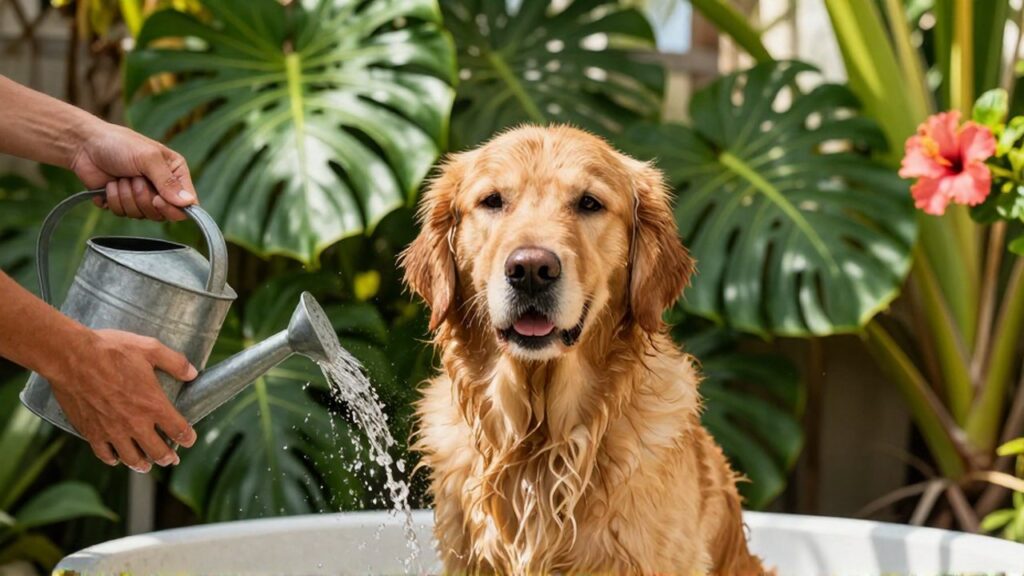
Living in a humid tropical environment presents unique challenges for pet hygiene. High moisture levels in the air, combined with heat, create an ideal breeding ground for bacteria, yeast, and fungi on a dog's skin and coat. Understanding the correct frecuencia de baño para perros en clima húmedo is essential to prevent unpleasant odors and skin irritations while ensuring that the natural protective oils of the skin are not stripped away.
Proper bathing in these conditions serves a dual purpose: it removes accumulated dirt and allergens brought in from the outdoors, and it mitigates the risk of "wet dog smell," which is often caused by microbial growth. Finding the right balance is key to maintaining a healthy, comfortable, and clean companion throughout the year.
Challenges of high humidity for canine skin

In humid climates, the air holds significant moisture, which prevents a dog's coat from drying quickly after exposure to rain, dew, or even sweating. When moisture is trapped against the skin for extended periods, it creates a warm, damp microclimate. This environment is highly conducive to the proliferation of microorganisms, and it is a leading cause of hongos en la piel del perro por humedad when the coat is left damp for too long.
Common issues resulting from improper hygiene management in humid areas include:
- Fungal and Yeast Infections: These often manifest as red, itchy patches or a distinct, musty odor.
- Bacterial Dermatitis: Moisture can lead to bacterial buildup, causing skin inflammation or folliculitis.
- Odor Retention: Damp fur tends to trap environmental smells and biological odors more aggressively than in dry climates.
- Matting: Constant moisture can cause hair to clump together, leading to painful mats that trap even more moisture against the skin.
Determining the ideal bathing frequency
There is no universal rule for how often a dog should be bathed, as the frequency depends on the dog's specific coat type, activity level, and skin sensitivity. However, in humid regions, the standard "once a month" advice may not be sufficient for all breeds, and many veterinarians in tropical countries recommend a baño mensual de perros as a baseline that can be adjusted according to the animal's needs.
For dogs with short, single coats, bathing once every two to four weeks is often sufficient to manage odors and debris. These dogs dry faster and are less prone to trapping deep moisture. Conversely, dogs with thick, double coats or long hair may require more frequent attention to prevent the undercoat from becoming a reservoir for moisture and fungus; los perros de doble capa en clima húmedo demandan un secado especialmente cuidadoso para evitar problemas dermatológicos.
If your dog spends a significant amount of time outdoors or engages in heavy physical activity, you may need to increase the frequency. Always monitor the skin for redness or irritation; if the skin appears dry or flaky, you may be bathing too often and stripping necessary oils.
Factors that influence bathing needs
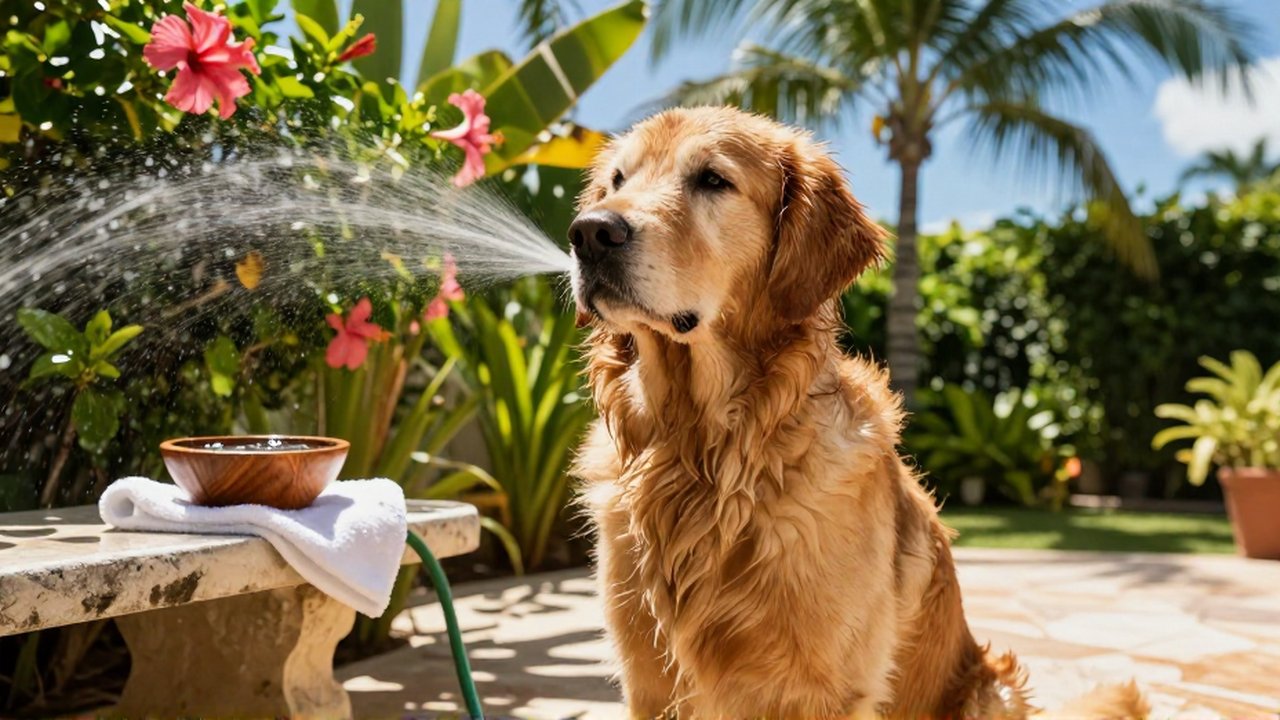
Several variables dictate whether your dog needs a bath more frequently or less often. Before establishing a routine, consider these specific elements:
Coat Type and Texture
- Short hair: Generally requires less frequent washing but can accumulate surface oils quickly, so a gentle baño con champú seco para perros between washes can help control excess grease.
- Double coats: Require careful drying to ensure no moisture is left in the undercoat, which could cause issues.
- Curly or long hair: Highly susceptible to trapping dirt and moisture, requiring regular maintenance to prevent matting.
Activity and Environment Dogs that frequent beaches, muddy trails, or damp gardens will naturally require more frequent cleansing. In humid climates, even a simple walk can leave a dog feeling damp and carrying environmental allergens, so a quick limpieza de patas de perro en clima húmedo after each outing helps reduce the dirt and moisture they bring indoors.
Skin Health and Sensitivities If a dog has a pre-existing skin condition, a veterinarian might recommend medicated baths. In these cases, the frequency is strictly dictated by professional medical advice rather than general hygiene standards.
Best practices for bathing in tropical environments
To maximize the benefits of bathing and minimize the risks of skin irritation, follow these practical steps:
- Use appropriate shampoos: Avoid human shampoos, which have a different pH level. Use specialized canine shampoos that are gentle on the skin; a champú para perros con pH adecuado helps preserve the natural acid mantle that protects against fungal and bacterial overgrowth.
- Rinse thoroughly: Residual soap is a major cause of skin irritation and itching, especially in humid weather where moisture lingers.
- Focus on drying: This is the most critical step in a humid climate. Use high-quality towels and, if the dog tolerates it, a blow dryer on a cool setting to ensure the undercoat is completely dry; mastering el secado correcto del pelaje canino is what most often prevents moisture-related skin problems.
- Brush before bathing: Removing loose hair and mats before getting the dog wet makes the cleaning process more effective and prevents tangles from tightening when wet.
Frequently asked questions
Can I bathe my dog every day if they smell bad? No, bathing a dog every day can lead to severe piel seca por baño excesivo and irritation by removing natural oils. If odors are a constant issue, look for the underlying cause, such as ear infections or skin fungus, and consult a professional.
How can I tell if my dog has a skin infection? Watch for signs such as excessive scratching, redness, unusual bumps, hair loss, or a strong, unpleasant odor that persists even after a bath.
Is it okay to use waterless shampoo in humid climates? Waterless shampoos can be useful for quick cleanups of paws or small areas, but they do not provide a deep clean. They should not be used as a primary replacement for regular baths, especially if the dog has significant buildup, and they are no substitute for a proper baño de perros con problemas de piel that requires medicated products prescribed by a veterinarian.
Does brushing help reduce the need for baths? Yes. Regular brushing helps remove dead hair, dirt, and excess oils, which can extend the time between full baths and help the coat stay healthier.
Leave a Reply