
How to choose a safe leash for large dog breeds

Introduction
Choosing a safe leash for large dogs is a critical safety decision that impacts both the animal's control and the owner's physical well-being. Unlike smaller pets, large dogs possess significant muscle mass and pulling power, meaning a standard leash often lacks the structural integrity required to manage sudden movements or high-energy bursts. Selecting an appropriate tool is essential for maintaining order during walks, preventing accidents in public spaces, and ensuring that the leash does not snap under tension.
The importance of this choice becomes evident during daily excursions, where unexpected stimuli—such as passing vehicles, other animals, or loud noises—can cause a large dog to lunge. An inadequate leash can lead to loss of control, potential injury to the handler, or the dog escaping into dangerous environments. By understanding material strength, length, and hardware quality, owners can invest in equipment that provides reliable containment and peace of mind.
Material strength and durability requirements
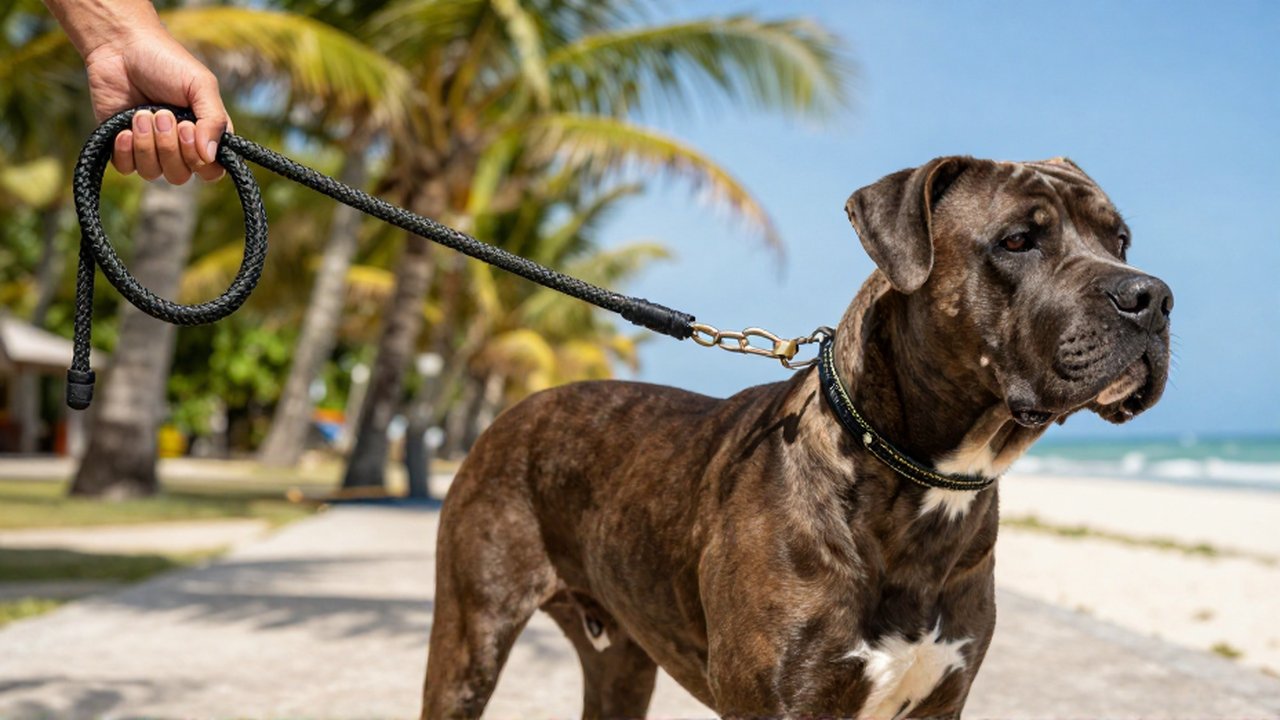
The primary factor when selecting a leash for a large breed is the strength of the material. Because large dogs exert considerable force, the leash must be able to withstand sudden, heavy tension without fraying or breaking, which is why a strong dog leash material is the first thing to verify before purchase.
Nylon leashes are among the most common options due to their versatility and wide range of colors. High-quality nylon is strong and easy to clean, making it suitable for various environments. However, it is important to look for heavy-duty, thick-weave nylon to ensure it can handle the weight of a heavy-set breed; a nylon leash for large breeds should have a minimum breaking strength well above the dog's body weight.
Biothane or coated webbing offers a more specialized alternative. These materials are often waterproof and highly resistant to odors and dirt, which is particularly beneficial in tropical climates or humid environments where traditional fabrics might become heavy or develop mildew. A biothane leash for large dogs is a practical choice for owners who walk near the coast or during the rainy season.
Leather leashes are traditional and highly durable. High-quality leather provides excellent grip and tends to become more supple over time, which is why leather dog leash durability is often praised by handlers. However, leather requires more maintenance to prevent cracking and may not be the best choice for dogs that frequently encounter water or mud.
Hardware and attachment mechanisms
A leash is only as strong as its weakest link, which is almost always the hardware connecting the leash to the collar or harness. For large breeds, the quality of the metal components is a non-negotiable safety feature, so leash hardware quality dog owners should evaluate carefully before buying.
- Clasp strength: Look for heavy-duty metal bolt snaps or trigger snaps. Avoid plastic clips or lightweight aluminum hardware, as these are prone to snapping under the pressure of a large dog's pull.
- Material composition: Stainless steel or solid brass components are preferable to cheaper alloys. These metals are more resistant to rust and significant physical stress.
- Connection points: Ensure the loop where the clip attaches is reinforced with extra stitching or metal rivets. A reinforced leash connection point prevents the fabric from tearing away from the hardware during a sudden jerk.
Choosing between different leash lengths and styles
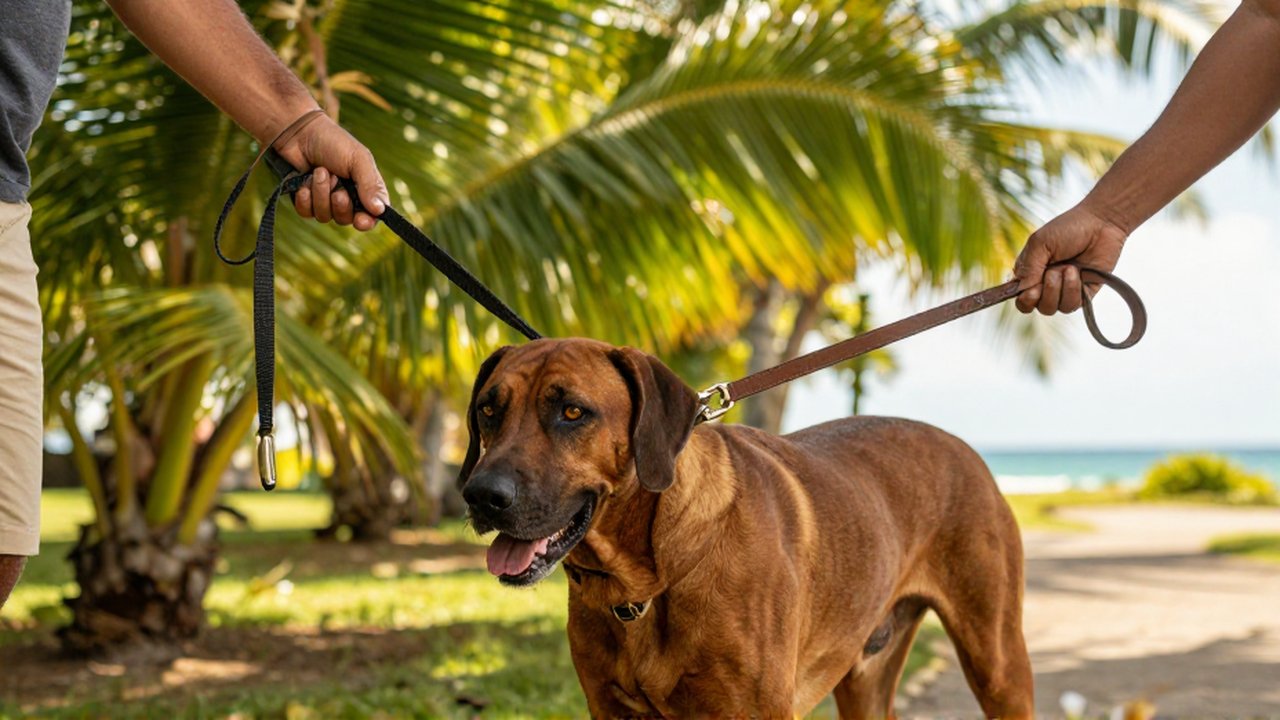
The style of the leash should match the specific environment and the temperament of the dog. Large dogs require different levels of control depending on whether they are in a crowded park or an open field.
| Leash Type | Best Use Case | Primary Benefit |
|---|---|---|
| Standard Flat Leash | Daily walks in predictable environments | Maximum control and ease of handling |
| Long Line | Training and open spaces | Allows more freedom while maintaining a connection |
| Traffic Lead | Urban areas and crowded streets | Short length for immediate, close-quarters control |
| Hands-Free Leash | Hiking or active walking | Keeps hands free for balance or carrying items |
A standard 4 to 6-foot leash is generally the gold standard for daily walks, as it keeps the dog close enough to the handler to react quickly to changes in the surroundings. When choosing leash length for a dog, consider the environment: long lines, which can extend to 15 feet or more, are excellent for rewarding a dog's good behavior in open areas, but they should never be used in high-traffic urban settings where the risk of tangling or losing control is high.
Common mistakes to avoid when shopping
One of the most frequent errors is prioritizing aesthetics over functionality. A leash may look stylish, but if the webbing is too thin or the clip is made of lightweight plastic, it is unsafe for a large breed. Another mistake is choosing a leash that is too long for the intended environment; a dog on a 20-foot lead in a busy city can easily pull a handler toward traffic before they can react.
Additionally, owners often forget to inspect the leash for wear and tear. Even the strongest leash will eventually degrade due to UV exposure, friction, or chemical exposure. A routine leash wear and tear inspection before each walk—checking for fraying, thinning of the material, or weakened metal components—is vital to prevent catastrophic failure during a walk.
Frequently asked questions
Can I use a standard leash for a very strong dog? It is not recommended. Large, powerful dogs require heavy-duty materials and reinforced hardware to ensure the leash does not break under tension; the best leash for strong dogs combines thick webbing with a solid metal clasp rated for the animal's pulling force.
How often should I replace my dog's leash? You should inspect the leash before every walk. If you notice fraying, discoloration from sun damage, or any weakness in the metal clasp, replace it immediately.
Is a retractable leash safe for large breeds? Retractable leashes are generally less safe for large breeds in public areas. The mechanisms can fail under high tension, and the constant slack can make it harder to maintain immediate control compared to a fixed leash.
Should I use a leash with a harness or a collar? For large dogs that tend to pull, a harness is often safer as it distributes the pressure across the chest rather than the neck, reducing the risk of injury to the dog and providing more stable control for the handler. When weighing a dog harness vs collar for pulling, a front-clip harness gives the handler extra leverage to redirect a strong dog.
Leave a Reply