
How to clean a pet's teeth without a toothbrush
Introduction
Maintaining oral hygiene in pets is a vital aspect of their overall health, as dental disease can lead to systemic issues affecting the heart, kidneys, and liver. While traditional brushing with a specialized pet toothbrush is the gold standard, many pet owners face challenges such as extreme dental anxiety, physical resistance, or a lack of specialized tools. Understanding alternative methods is essential for ensuring that plaque and tartar buildup do not compromise your animal's well-being, since periodontal disease is one of the most common conditions diagnosed in dogs and cats.
These pet oral hygiene alternatives are most appropriate for pets that are highly reactive to manual stimulation around the mouth or for owners looking to supplement a routine rather than replace professional care. By utilizing different textures and delivery methods, you can manage oral hygiene more effectively, reducing the risk of periodontal disease through consistent, low-stress interventions.
Alternative dental cleaning methods
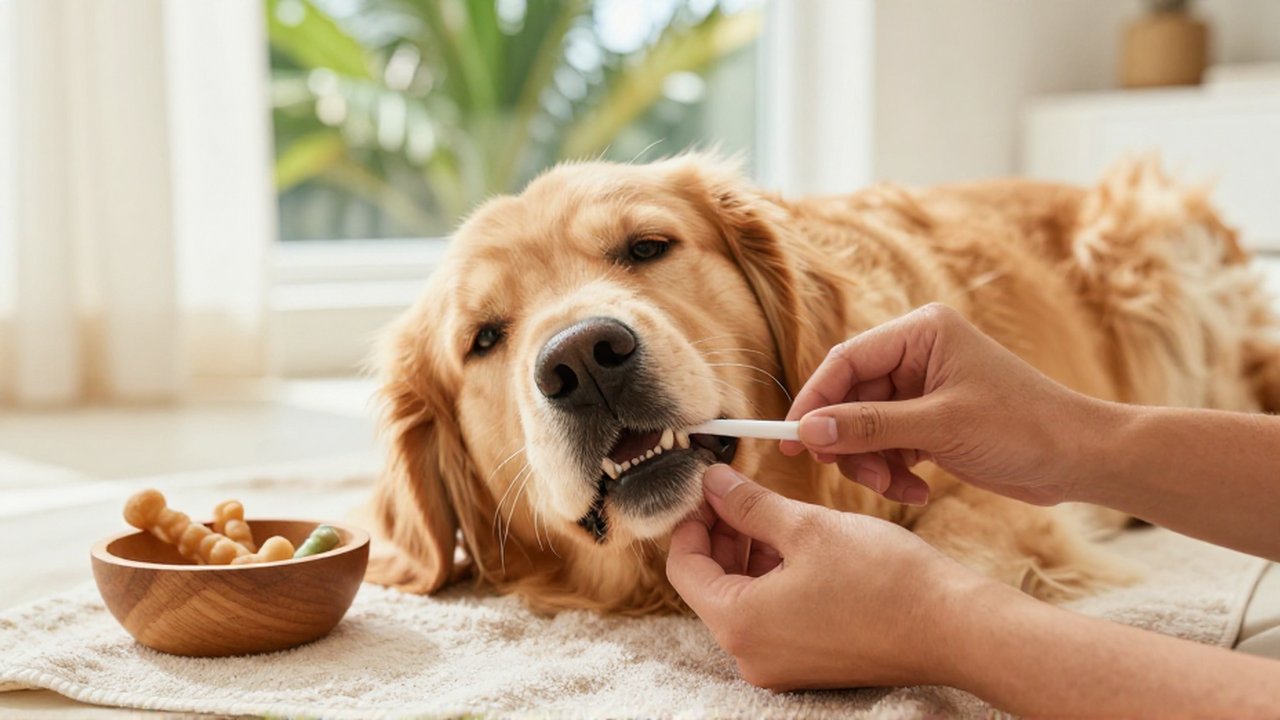
If a toothbrush is not an option, you can employ several other methods to mechanically or chemically manage dental health. The goal is to disrupt the biofilm—the sticky layer of bacteria that forms on teeth—before it hardens into calculus (tartar). With daily attention you can help remove plaque from dog teeth at home before it mineralizes into a harder deposit.
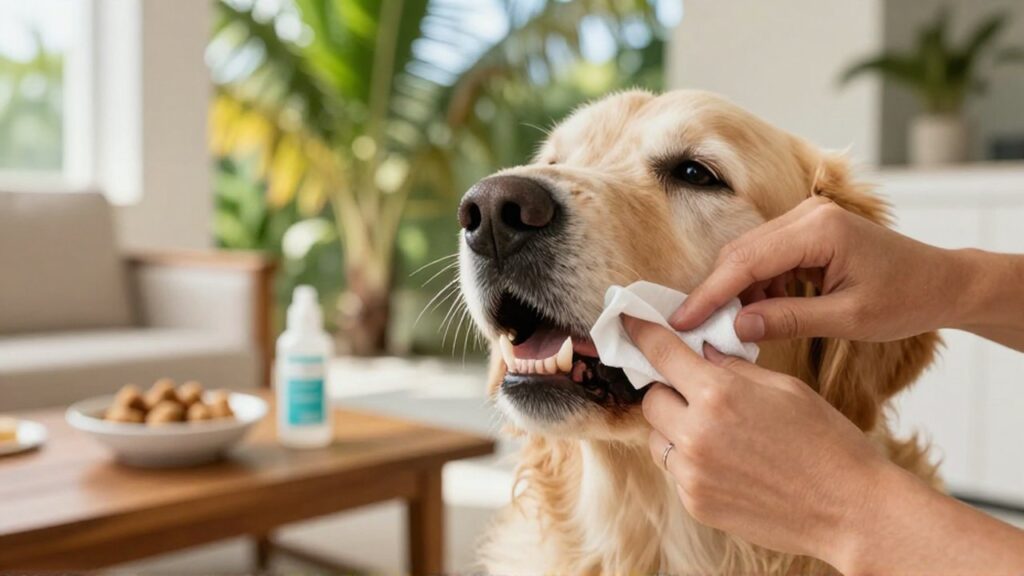
One effective method is the use of dental wipes for dogs. These are small, finger-sized cloths pre-soaked in enzymatic cleaners. Instead of using a tool, you wrap the wipe around your finger and gently rub the surfaces of the teeth and the gum line. This provides a tactile experience that feels more like a massage than a medical procedure, which can help desensitize sensitive pets.
Dental chews and treats represent another widely used approach. These are formulated with specific textures designed to scrape the tooth surface as the pet bites down. While not a replacement for manual cleaning, they provide a mechanical scrubbing action that can slow down the accumulation of plaque. It is important to select natural dental chews for dogs that are age-appropriate and nutritionally balanced to avoid excessive caloric intake.
For pets that are extremely difficult to handle, water additives for dog teeth can be a helpful passive method. These are liquid solutions added to the pet's drinking water that contain enzymes designed to break down plaque and freshen breath. While they do not provide the physical scrubbing action needed for heavy buildup, they are excellent for maintaining a cleaner oral environment with minimal effort.
Practical steps for home oral care
Implementing these methods successfully requires a gentle approach and a focus on consistency. Follow these steps to establish a reliable home dental care for dogs routine that is as stress-free as possible for your pet:
- Establish a routine: Perform oral care at the same time each day or week so the pet becomes accustomed to the interaction.
- Start with positive reinforcement: Before attempting any cleaning, spend time touching your pet's muzzle and rewarding them with praise or small treats to build trust.
- Use enzymatic products: Whether using wipes or enzymatic dental gels for pets, look for products containing enzymes. These work biologically to break down organic matter without requiring aggressive scrubbing.
- Minimize pressure: When using wipes or fingers, use light, circular motions along the gum line, a form of pet gum massage for dental health. Do not force the mouth open if the pet shows signs of distress.
- Monitor for discomfort: If you notice redness, bleeding, or sudden sensitivity, stop immediately and consult a professional.
Benefits and limitations of non-toothbrush methods
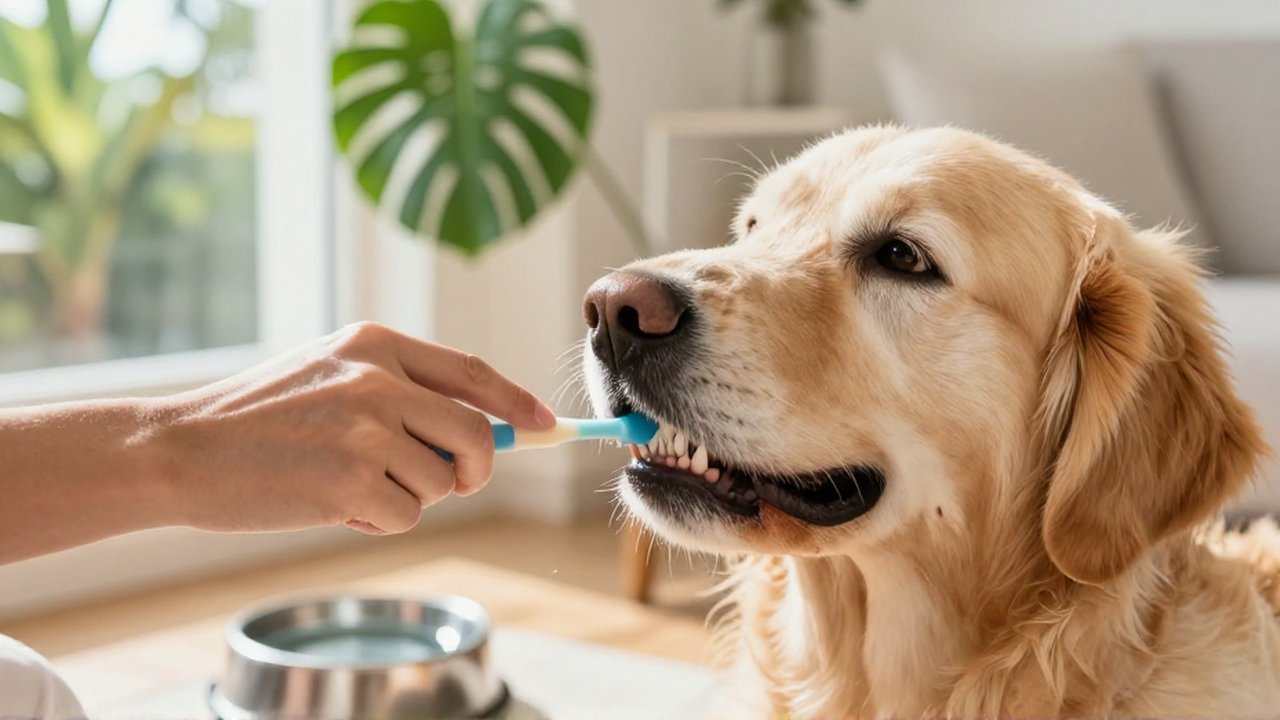
It is important to understand what these methods can and cannot achieve to set realistic expectations for your pet's dental health.
| Method | Primary Benefit | Main Limitation |
|---|---|---|
| Dental Wipes | High control and tactile familiarity | Requires manual effort and pet cooperation |
| Dental Chews | Low stress; provides mental stimulation | Cannot reach all tooth surfaces effectively |
| Water Additives | Completely passive; zero stress | Provides minimal mechanical cleaning |
| Dental Gels | Direct application of enzymes | Requires the pet to allow mouth access |
The primary benefit of these alternatives is compliance. A pet that receives a daily dental chew is better off than a pet that receives no dental care because the owner cannot successfully use a toothbrush. However, the limitation is that none of these methods offer the exhaustive cleaning provided by a professional veterinary scaling or a dedicated toothbrush. They are tools for maintenance and management, not a cure for advanced periodontal disease, so pairing them with regular check-ups is the most reliable way to prevent periodontal disease in pets.
Common mistakes to avoid
One of the most frequent errors is using human toothpaste. Human toothpaste often contains ingredients like xylitol, which is highly toxic to dogs, or fluoride, which can be harmful if ingested in significant amounts. Always choose pet safe dental products specifically formulated for animals, and check the label for the Veterinary Oral Health Council (VOHC) seal when selecting chews or additives.
Another mistake is over-reliance on treats. While dental chews are useful, they are not a magic solution. If a pet has a diet high in soft foods and no mechanical cleaning, treats alone may not prevent tartar buildup. Additionally, feeding too many dental treats can lead to weight gain, so they should be factored into the pet's daily caloric intake.
Finally, many owners wait too long to intervene. If you notice foul breath, receding gums, or loose teeth, alternative methods at home are likely insufficient. At this stage, the bacteria have already penetrated beneath the gum line, and professional intervention is required to prevent pain and infection.
Frequently asked questions
Can I use a cloth instead of a dental wipe? Yes, a clean, soft, non-fraying cloth can be used to rub the teeth, but it is highly recommended to use it in conjunction with a pet-safe enzymatic gel to ensure there is a cleaning agent present to break down plaque. This is a practical way to clean dog teeth without toothbrush when you are traveling or run out of wipes.
How often should I use dental chews? Dental chews should be used as a supplement to, not a replacement for, regular cleaning. Ideally, they can be used daily or several times a week depending on the pet's specific oral health needs.
Will water additives work for pets with heavy tartar? Water additives are generally preventive. They are effective at keeping a healthy mouth clean and managing breath, but they cannot remove hard, calcified tartar once it has already formed on the teeth.
Is it safe to massage a pet's gums if they are red? If the gums appear significantly red, swollen, or bleeding, you should avoid manual cleaning and contact a veterinarian. Redness is a sign of inflammation or infection that requires professional diagnosis.
Leave a Reply