
How to prevent skin infections during grooming

Introduction
Grooming is a vital part of maintaining your pet's health and hygiene, but if not performed correctly, it can inadvertently introduce bacteria or irritants to the skin. Skin infections during grooming sessions often occur due to improper tool hygiene, excessive moisture retention, or minor abrasions caused by clippers and scissors. Preventing these issues is essential to ensure that your pet remains comfortable and free from painful dermatological conditions, and it starts with understanding how to prevent skin infections during grooming before they take hold.
Understanding the relationship between grooming techniques and skin integrity allows pet owners to mitigate risks before they become medical concerns. Whether you are grooming your pet at home or visiting a professional, focusing on sanitation, drying techniques, and tool maintenance is the most effective way to protect their skin barrier. This article provides actionable strategies to maintain a safe grooming environment.
Risks of improper grooming techniques

One of the most common causes of skin infections is the presence of micro-cuts or abrasions caused by dull blades or incorrect clipper angles. These tiny wounds act as gateways for bacteria, such as Staphylococcus, to enter the bloodstream or the deeper layers of the dermis. In a tropical environment like the Dominican Republic, where humidity is high, these small wounds can become infected much faster than in drier climates, so the risks of cuts with a razor machine should never be underestimated during any grooming session.
Another significant risk involves moisture. If a pet is not dried thoroughly after a bath, damp fur can trap heat and moisture against the skin. This creates a warm, humid microclimate that is ideal for the growth of yeast and bacteria, a leading cause of infections from moisture in dogs. This is particularly common in thick-coated breeds where the undercoat may remain damp even if the surface fur feels dry.
Essential hygiene for grooming tools
To prevent the transmission of pathogens, all grooming equipment must be treated with the same level of care as medical instruments. Using a tool that was previously used on an infected animal without proper disinfection can spread skin conditions from one pet to another instantly. Establishing a routine for the disinfection of pet tools is therefore just as important as the grooming technique itself.
- Sanitization protocols: Always clean clippers, combs, and brushes with a pet-safe disinfectant between uses, paying special attention to grooming tool hygiene in humid climates where pathogens multiply faster.
- Blade maintenance: Regularly sharpen blades and check for dullness. Dull blades pull at the hair rather than cutting it, increasing the likelihood of skin irritation.
- Storage conditions: Store tools in a dry, clean area to prevent the buildup of dust or mold, which can settle on the equipment and affect the pet's skin.
Safe bathing and drying procedures
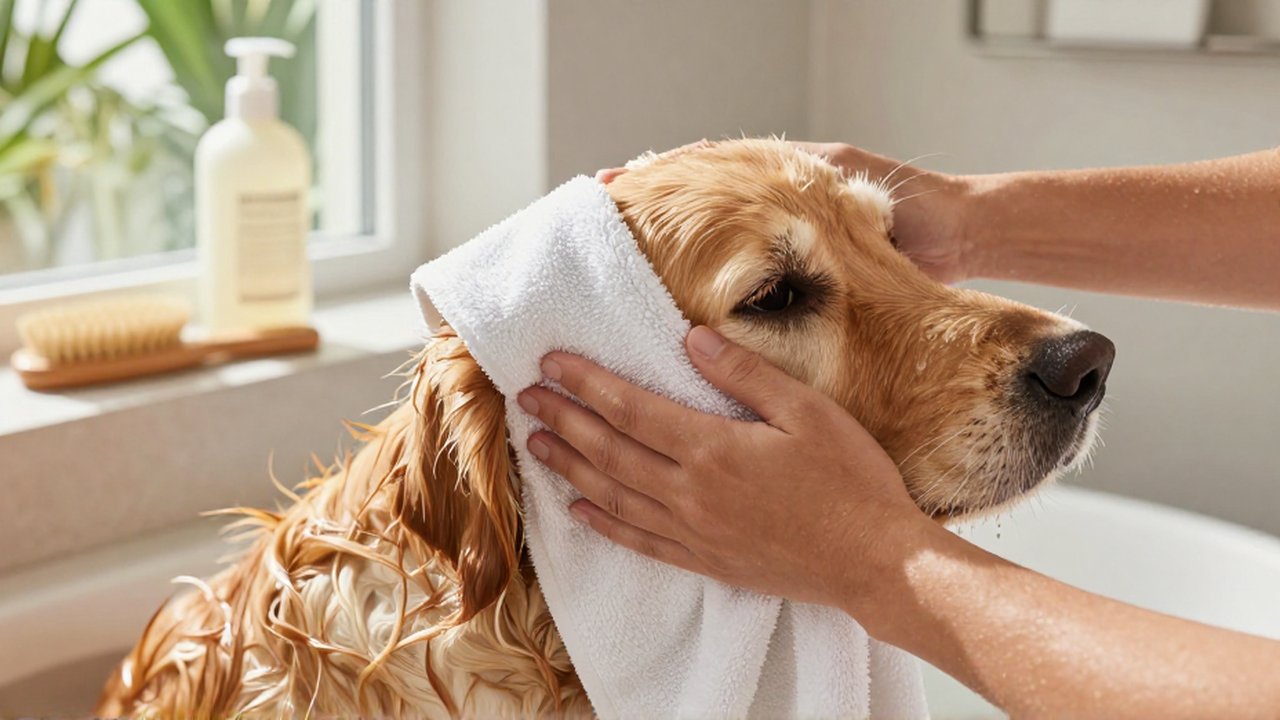
The bathing process itself is a critical stage where many skin issues begin. Using the wrong products or failing to rinse them completely can leave chemical residues that irritate the skin and compromise its natural pH balance. Learning how to bathe a dog correctly means choosing a shampoo matched to the coat and skin type and rinsing until the water runs clear.
When bathing, ensure you use a shampoo specifically formulated for your pet's skin type. After rinsing, pay close attention to the drying phase. Use a towel to remove as much excess moisture as possible before moving to a blow dryer. If using a dryer, keep it at a moderate temperature and maintain a consistent distance from the skin to avoid thermal burns, which can lead to secondary infections. Knowing how to dry a dog after a bath, including lifting the topcoat to reach the undercoat, is one of the most effective ways to avoid dermatitis in pets.
| Step | Action | Goal |
|---|---|---|
| Preparation | Inspect skin for redness or lumps | Identify issues before starting |
| Washing | Thoroughly rinse all shampoo | Prevent chemical irritation |
| Drying | Target the undercoat specifically to dry the dog's undercoat fully | Prevent yeast and bacterial growth |
| Finishing | Check for damp spots in folds | Eliminate moisture pockets |
Identifying early signs of skin irritation
Preventative grooming also involves being an observant caregiver. If you notice changes in your pet's behavior or skin appearance during or immediately after grooming, it may indicate that the process has caused stress to the skin barrier. Recognizing the signs of skin irritation in pets early is key to avoiding a full-blown infection.
Watch for redness, small bumps, or localized swelling. An increase in scratching or licking specific areas is a strong indicator that the skin is irritated. If your pet exhibits a sudden odor, especially a musty or yeasty smell, it may be a sign that moisture was trapped during the grooming process. Swelling and redness of the skin in pets should never be ignored, and addressing these signs early through professional veterinary consultation can prevent a minor irritation from escalating into a widespread infection.
Frequently asked questions
How often should I disinfect my grooming tools? Tools should be cleaned after every use, especially if you have multiple pets, to prevent the cross-contamination of bacteria or parasites.
Can using human shampoo cause skin infections in pets? Yes, human shampoos often have a different pH level than pet skin. Using them can disrupt the natural acid mantle of the skin, making it more susceptible to infections and irritation.
What should I do if I notice a small cut after grooming? Clean the area gently with a mild, pet-safe antiseptic and monitor it closely. If the area becomes red, swollen, or begins to discharge fluid, consult a veterinarian immediately, as bacterial infections such as Staphylococcus can develop quickly in warm, humid conditions.
Why is drying the undercoat so important? The undercoat can hold moisture long after the topcoat feels dry. If left damp, this trapped moisture promotes the growth of yeast and bacteria, leading to hot spots or dermatitis.
Leave a Reply