
How to safely clean bird cages and tropical aviaries
Introduction
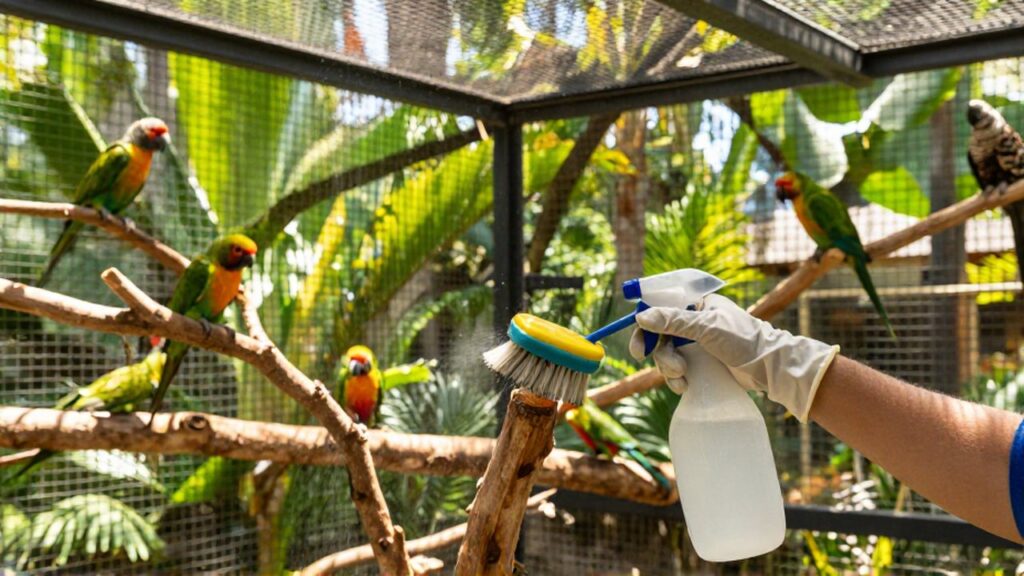
Maintaining a pristine environment is essential for the health and longevity of birds, especially when housing them in the humid conditions typical of tropical climates. Cleaning bird cages and large aviaries is not merely an aesthetic task; it is a critical preventative measure against respiratory infections, parasites, and bacterial outbreaks. Regular sanitation ensures that your feathered companions live in a space free from accumulated waste, mold, and harmful pathogens, which is why establishing a consistent bird cage hygiene routine matters as much as the cleaning itself.
Proper cleaning protocols should be performed on a scheduled basis, ranging from daily spot cleaning to deep monthly sanitization. In tropical regions, the increased humidity can accelerate the growth of fungi and bacteria in organic matter, making consistent hygiene even more vital. By following a systematic approach, you can protect your birds' sensitive respiratory systems while preserving the structural integrity of their enclosures and accessories, a concern that applies equally to parrot cage cleaning in the Dominican Republic and other humid coastal settings.
Importance of regular sanitation for avian health
Birds possess highly sensitive respiratory systems that are extremely vulnerable to airborne irritants, including dust, dried feces, and fungal spores. When waste accumulates in a cage or aviary, it creates a breeding ground for bacteria such as Salmonella or E. coli. In a tropical environment, the warmth and moisture can cause organic debris to decompose more rapidly, increasing the risk of ammonia buildup in the bird cage, which is toxic to birds when inhaled over long periods and can cause irreversible lung damage if left unchecked.
Beyond respiratory health, hygiene prevents the spread of external parasites like mites and lice, which often thrive in crevices of wooden perches or cluttered cage corners. A consistent cleaning routine also allows owners to monitor their birds' physical condition more effectively. When the environment is clean, it is much easier to notice changes in droppings, skin condition, or the presence of abnormal growths, allowing for faster intervention by a veterinarian.
Essential tools and safe cleaning agents
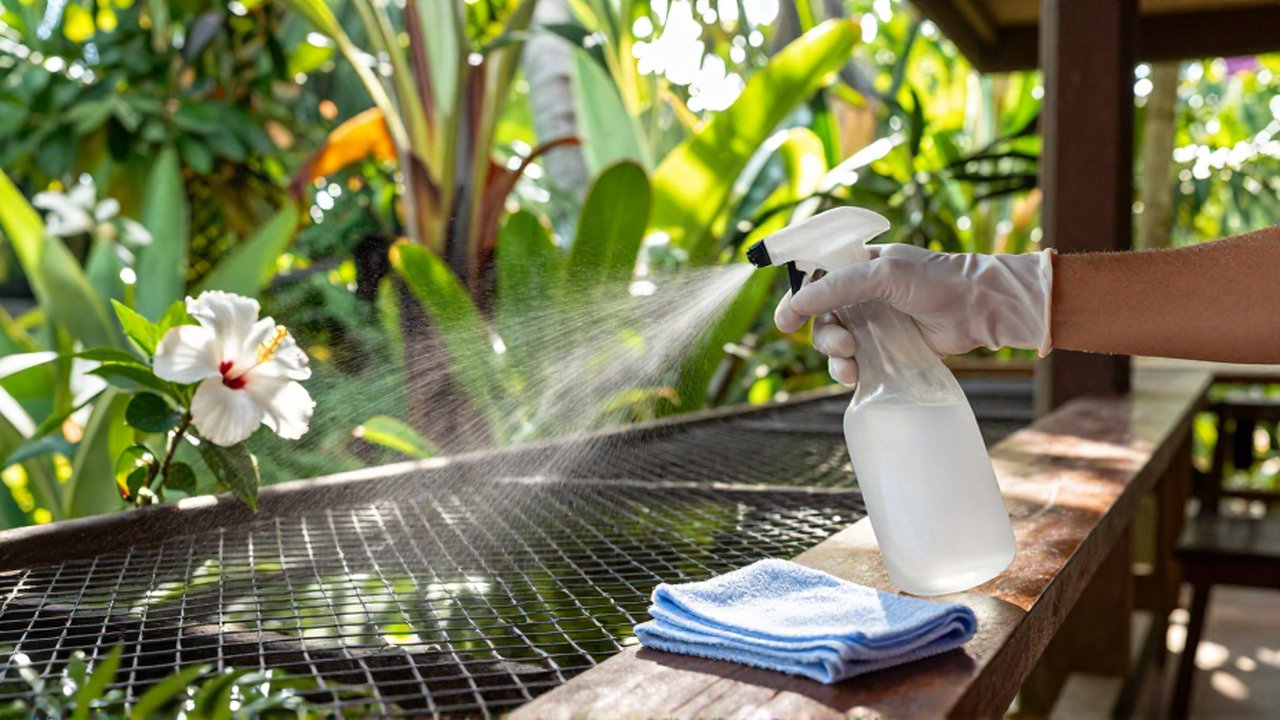
To clean an enclosure safely, you must avoid products that contain harsh chemicals, such as bleach, ammonia, or strong synthetic fragrances. These substances can leave residues that are harmful if ingested or inhaled. Instead, focus on natural, bird-safe cleaning agents that effectively break down organic matter without leaving toxic fumes, with diluted vinegar serving as a reliable vinegar bird cage disinfectant when applied and rinsed correctly.
| Tool/Agent | Purpose | Safety Note |
|---|---|---|
| Distilled White Vinegar | Disinfecting and removing mineral deposits | Safe when diluted; rinse thoroughly |
| Mild Dish Soap | General cleaning of non-porous surfaces | Use fragrance-free varieties |
| Soft Bristle Brush | Scrubbing crevices and textured surfaces | Avoid metal brushes that may damage coatings |
| Microfiber Cloths | Wiping down perches and accessories | Ensure they are free of lint and debris |
| Steam Cleaner | Deep sanitization of hard surfaces | Use caution near plastic or delicate coatings |
Always ensure that any cleaning agent used is completely rinsed away and that the enclosure is thoroughly dried before the birds are returned to their space. In humid weather, allow extra drying time or use fans to prevent moisture from lingering on surfaces, since trapped dampness can quickly encourage mold growth between cleanings.
Step by step guide to deep cleaning an aviary
A deep clean should be a methodical process to ensure no corner is overlooked. Because large aviaries can be difficult to manage, breaking the task into stages is the most efficient strategy, and having the right safe cleaning tools for the bird enclosure ready beforehand saves time and reduces the risk of cross-contamination between zones.
First, remove all birds from the enclosure and place them in a secure, quiet travel cage. This prevents them from inhaling dust or accidental splashes during the cleaning process. Once the birds are safe, remove all accessories, including perches, toys, food bowls, and water dispensers.
Second, dispose of all old substrate, soiled paper, or bedding. Use a scraper or a vacuum designed for pet hair to remove dry waste from the bottom of the cage. For large aviaries, this may involve clearing out large amounts of organic mulch or sand.
Third, wash the structural components. Use warm water and a mild, bird-safe soap to scrub the bars, floor, and walls. Pay special attention to joints and corners where waste tends to accumulate. If you are using vinegar for disinfection, apply the diluted solution and let it sit for several minutes before rinsing extensively with fresh water; this dwell time is what allows the acid to break down mineral deposits and stubborn organic residue effectively.
Finally, sanitize the accessories. Soak hard items like stainless steel bowls in a vinegar solution. Scrub wooden perches thoroughly; if they are heavily soiled or show signs of rot, consider replacing them entirely. Once everything is sparkling clean, dry all items completely in the sun or with a clean towel before reassembling the enclosure, and take the opportunity to sanitize bird perches while they are already removed from the frame.
Common mistakes to avoid during cleaning
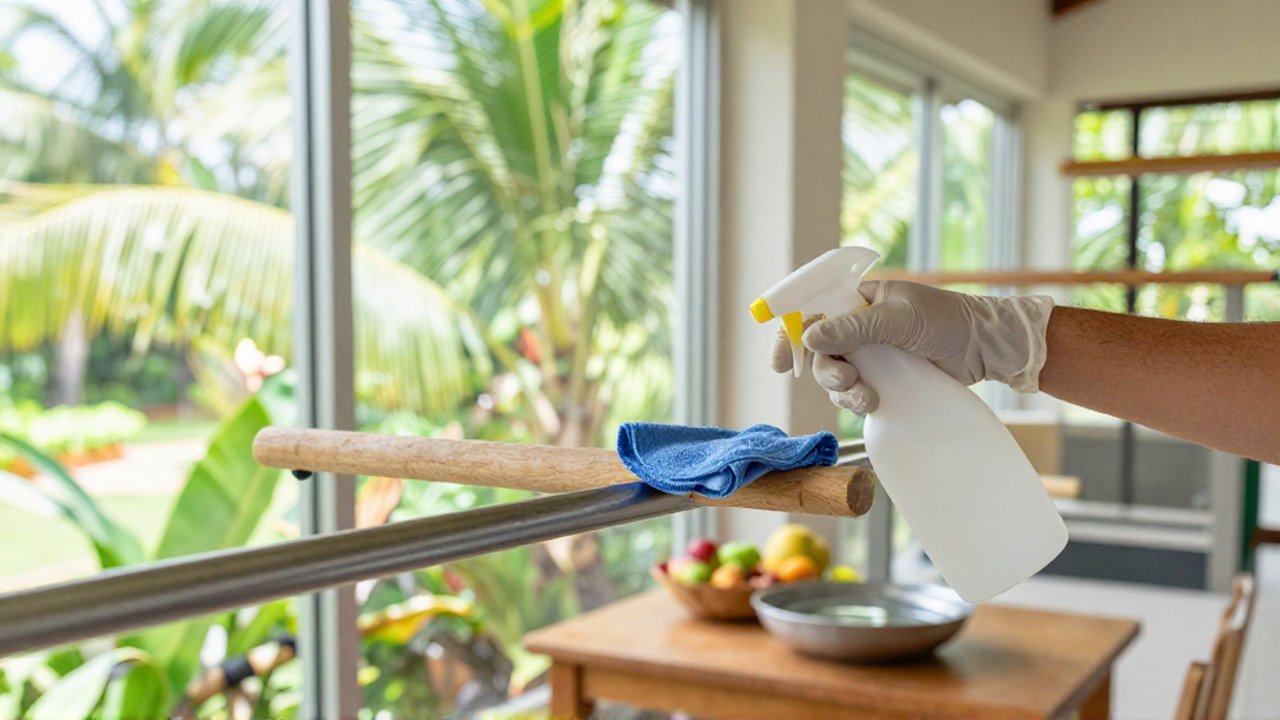
One of the most frequent errors is cleaning the enclosure while the birds are still inside. This exposes them to sudden movements, loud noises, and potentially toxic cleaning vapors. Another common mistake is the improper rinsing of supplies. Even "natural" cleaners like vinegar can cause irritation if they are not thoroughly rinsed away, leaving a residue that the bird may ingest during feeding, so always finish with a plain-water rinse on every surface.
Owners also frequently neglect the cleaning of accessories. A common misconception is that cleaning the cage floor is sufficient; however, toys and perches often harbor significant amounts of bacteria and dried fecal matter. Furthermore, avoid using boiling water on plastic accessories, as this can release harmful chemicals or warp the items, making them unsafe for use.
Maintaining daily hygiene routines
While deep cleaning is vital, daily maintenance significantly reduces the workload and the risk of disease. Establishing a daily routine ensures that the environment remains stable and manageable.
Daily tasks should include removing uneaten fresh food, which can ferment quickly in tropical heat, and replacing water with fresh, clean liquid. Spot cleaning the bottom of the cage to remove fresh droppings can prevent the buildup of ammonia. Additionally, a quick wipe of the feeding stations helps prevent cross-contamination between different types of food and water, and checking for early signs of mold in the bird aviary each morning lets you catch fungal growth before it spreads to perches or substrate.
| Frequency | Task | Benefit |
|---|---|---|
| Daily | Change water and remove food scraps | Prevents bacterial growth and fermentation |
| Daily | Spot clean droppings | Reduces ammonia buildup and odor |
| Weekly | Sanitize food and water bowls | Prevents biofilm and bacterial buildup |
| Monthly | Full deep clean of enclosure | Eliminates hidden parasites and pathogens |
Frequently asked questions
Can I use bleach to clean my bird's cage? It is best to avoid bleach. Even after rinsing, microscopic residues can remain, which are extremely dangerous to a bird's respiratory system. Diluted white vinegar or mild, fragrance-free soap are much safer alternatives.
How often should I replace wooden perches? Perches should be inspected regularly. If they become too smooth from wear, stained by waste, or show signs of cracking or mold, they should be replaced to ensure both hygiene and grip safety.
Is it safe to clean the cage while the birds are in another room? Yes, it is highly recommended to move the birds to a separate, secure area during cleaning. This protects them from dust, fumes, and the stress of the cleaning process.
How do I deal with mold in a tropical aviary? In humid climates, mold can appear on substrate or wooden elements. If mold is detected, remove the affected material immediately and perform a deep disinfection of the entire enclosure using vinegar. If the mold is embedded in wooden perches, replace the perches entirely. To prevent recurrence, keep the aviary well ventilated and avoid leaving damp substrate in place, since preventing mold in a bird aviary depends largely on controlling humidity and airflow between cleanings.
Leave a Reply