
How to teach dogs to stay calm during thunderstorms
Introduction
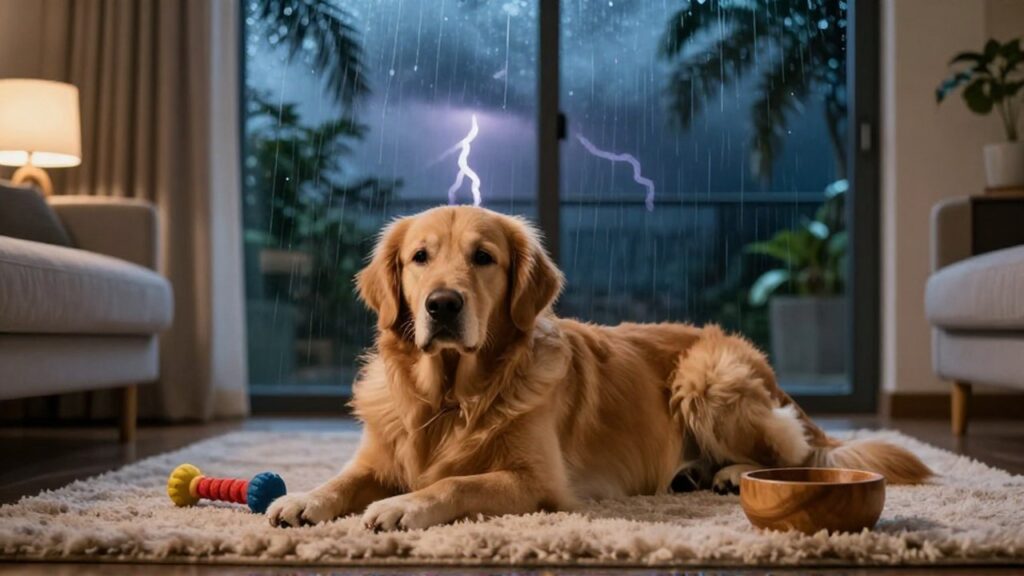
Thunderstorms can be a source of intense anxiety for many dogs, often manifesting as pacing, whining, hiding, or even destructive behavior. Understanding why this happens is the first step toward helping your pet. Dogs possess much more sensitive hearing than humans, meaning the low-frequency rumbles and sudden cracks of thunder can feel physically overwhelming and unpredictable to them. Recognizing the early signs of storm anxiety in dogs—such as lip licking, yawning, or a tucked tail—allows you to intervene before the fear escalates into full panic.
Teaching a dog to stay calm during these weather events is essential for their emotional well-being and the safety of your home. By implementing structured training techniques and environmental adjustments, you can help reduce their fear response. This process is not about forcing a dog to be brave, but rather about building their confidence and creating a sense of security when the weather turns volatile.
The best time to start this training is well before the rainy season begins. Proactive desensitization allows you to work with your dog in a controlled setting, ensuring that they do not associate the sounds of a storm with panic. Through patience and consistency, you can transform a chaotic storm into a manageable experience for both you and your pet, reducing the risk of dog storm phobia taking hold in the first place.
Understanding storm anxiety in dogs
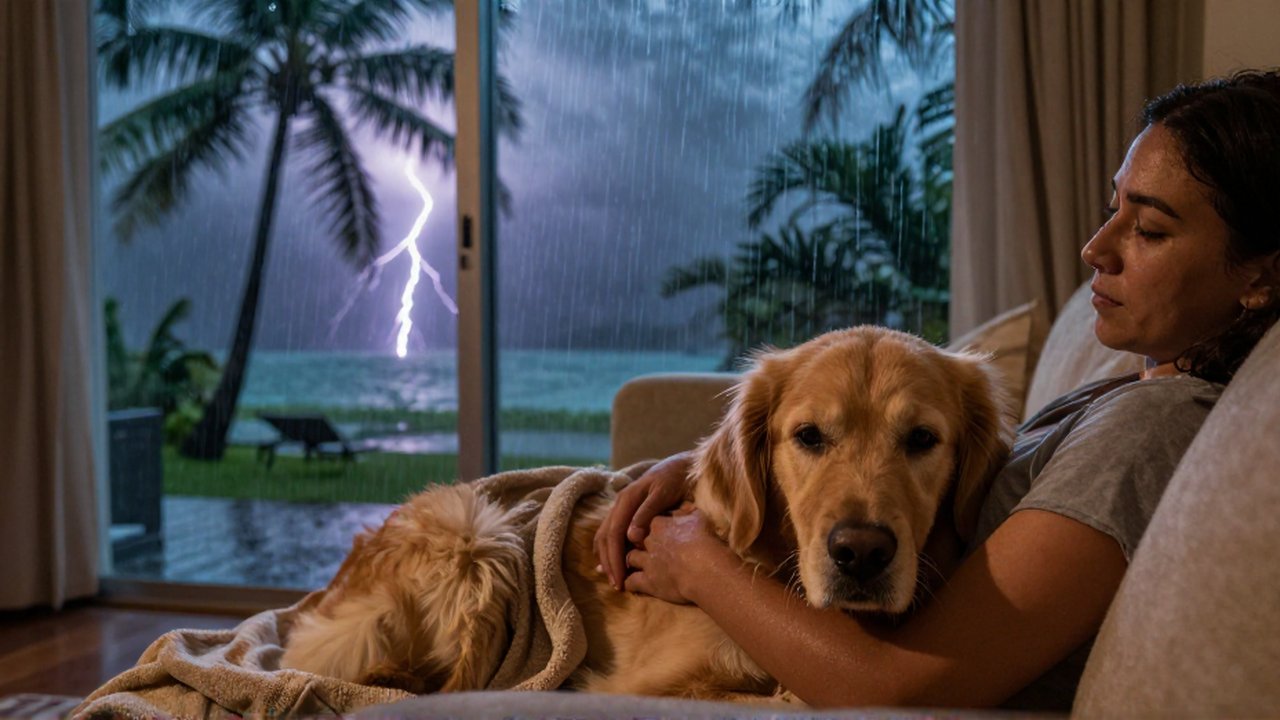
Before implementing training techniques, it is vital to recognize the different ways dogs express fear. Anxiety is not a "one size fits all" condition; some dogs become hyperactive and try to escape, while others shut down and hide in small, enclosed spaces. Identifying your dog's specific "fear language" helps you tailor your approach. A dog hiding during a storm, for instance, may need a different response than one that paces and vocalizes.
Common signs of storm-related stress include:
- Panting and excessive drooling: Physical signs of physiological stress.
- Destructive chewing or digging: Attempts to self-soothe or find an escape route.
- Trembling or shaking: A direct physical response to fear.
- Elimination accidents: Losing bladder or bowel control due to extreme panic.
Understanding that this behavior is a fear response rather than "bad behavior" is crucial. If you punish a dog for acting anxious, you may inadvertently increase their stress levels, making the phobia worse. The goal is to provide comfort and training, not discipline.
Desensitization and counterconditioning techniques
The most effective way to teach a dog to remain calm is through desensitization. This involves exposing your dog to the scary stimulus (thunder) at a volume so low that it does not trigger a fear response, and then gradually increasing the intensity over time. This structured approach to desensitization for dogs and thunder is widely recommended by veterinary behaviorists because it respects the animal's threshold rather than overwhelming it.
To begin, find recordings of thunder online or use dedicated dog desensitization recordings designed for this purpose. Play the sound at a very low volume while your dog is engaged in a positive activity, such as eating a meal or playing with a favorite toy. As they become comfortable with the low volume, slowly increase the sound levels during subsequent sessions, keeping each session short and ending on a positive note.
Counterconditioning works alongside desensitization by changing the dog's emotional association with the sound. Instead of "thunder equals fear," you want the dog to think "thunder equals treats." This pairing of sound with reward is the core of counterconditioning for storm anxiety, and it works best when the reward is genuinely exciting to your dog.
- High-value rewards: Use treats that your dog rarely receives, such as small pieces of plain cooked chicken or specialized training treats. High-value treats for dog training should be reserved exclusively for storm sessions so they retain their special appeal.
- Timing: Deliver the rewards immediately when the sound occurs.
- Consistency: Ensure every member of the household follows the same reward pattern to avoid confusing the dog.
Creating a safe sanctuary environment
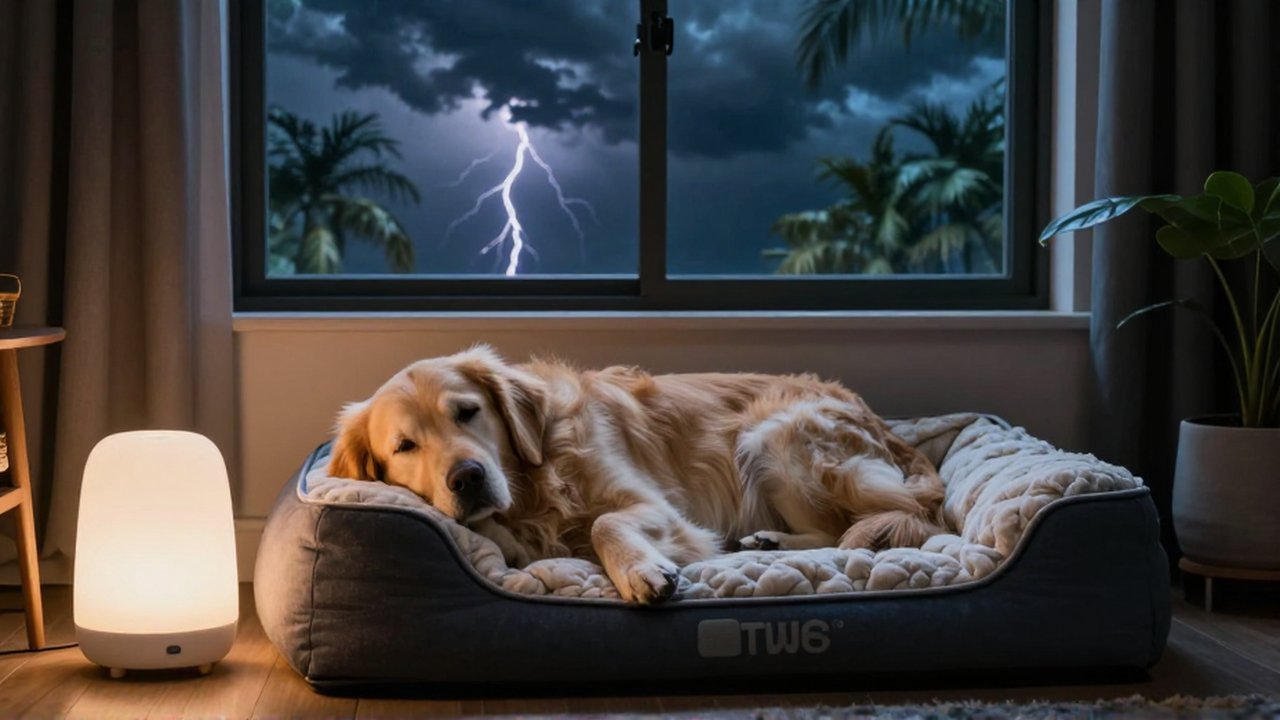
Training is most effective when supported by a secure physical environment. When a storm approaches, your dog should have a pre-designated "safe zone" where they feel protected from the elements and the noise. Establishing a dog safe space for storms early—complete with bedding, water, and familiar toys—helps your pet associate that corner of the home with calm rather than chaos.
| Environment Feature | Purpose |
|---|---|
| Interior Room | Being in an interior room helps dampen the sound of thunder and reduces visual triggers like lightning. |
| Enclosed Space | Crates, under beds, or small dens can provide a sense of security for dogs that prefer to hide. |
| White Noise | Using fans, radio, or white noise machines can help mask the sudden, sharp sounds of thunder. White noise for dog storms is especially useful because it provides a constant, predictable auditory backdrop. |
| Comfort Items | Familiar blankets or a piece of your clothing can provide calming olfactory cues. |
Avoid forcing your dog into a specific area if they are resisting. If they choose to hide under a table, let them stay there, provided the area is safe. Forcing a dog into a crate when they are panicking can lead to more intense fear and potential injury.
Common mistakes to avoid during training
Many well-intentioned owners make errors that can hinder a dog's progress. One of the most frequent mistakes is waiting until a storm is already happening to try a new training method. By the time the thunder starts, your dog's adrenaline is already surging, making them much harder to teach. This is one of the most common storm training mistakes dogs owners make, and it is entirely avoidable with advance preparation.
Another error is providing "anxious attention." While it is natural to want to cuddle a frightened pet, some dogs interpret frantic petting and high-pitched soothing voices as a sign that there is indeed something to be afraid of. Try to remain as calm, quiet, and "boring" as possible. If you provide affection, keep it calm and low-key to signal that the situation is normal.
Finally, do not expect immediate results. Desensitization is a long-term process that can take weeks or months of consistent work. If a dog has a setback during a particularly violent storm, do not view it as a failure of training, but as a temporary physiological response that requires extra patience.
Frequently asked questions
Should I let my dog hide during a storm? Yes, if your dog chooses to hide in a safe location like a crate or under a bed, allow them to do so. Hiding is a natural coping mechanism that provides them with a sense of security.
Can specialized calming products help? Products such as weighted vests, compression wraps for dogs, pheromone diffusers, or calming supplements can be useful tools to manage anxiety. However, these should be used as part of a holistic approach that includes training and environmental management, rather than as a standalone cure. Always discuss supplements with your veterinarian, as some can interact with other medications.
How do I know if my dog's anxiety is too severe for home training? If your dog is engaging in self-harm, attempting to break through doors or windows, or experiencing extreme physical symptoms like uncontrollable shaking, it is recommended to consult a professional veterinarian or a certified animal behaviorist. A veterinarian can also rule out underlying medical conditions and, if needed, prescribe medication to support the behavioral plan.
Does wearing a thunder shirt actually work? Many dogs respond well to the gentle, constant pressure provided by compression wraps, which can have a calming effect on the nervous system. However, effectiveness varies from dog to dog, so it is best to test the product in a non-storm setting first.
Leave a Reply