
Common vaccination side effects to watch for in pets

Introduction
Vaccinations are a cornerstone of preventive medicine, essential for protecting pets against life-threatening diseases like rabies, parvovirus, and distemper. By stimulating the immune system to recognize specific pathogens, vaccines provide a vital layer of defense that keeps animals healthy and prevents the spread of contagious illnesses within the community. Following a strict vaccination schedule for pets is one of the most effective ways for owners to ensure long-term wellness and longevity for their companions.
While the benefits of immunization far outweigh the risks, it is normal for pets to experience mild reactions as their bodies build immunity. Understanding these potential pet vaccination reactions allows owners to distinguish between a standard physiological response and a medical emergency. Being vigilant in the hours and days following a veterinary visit ensures that any adverse reactions are addressed promptly, providing peace of mind for both the pet and the owner.
Mild and expected reactions
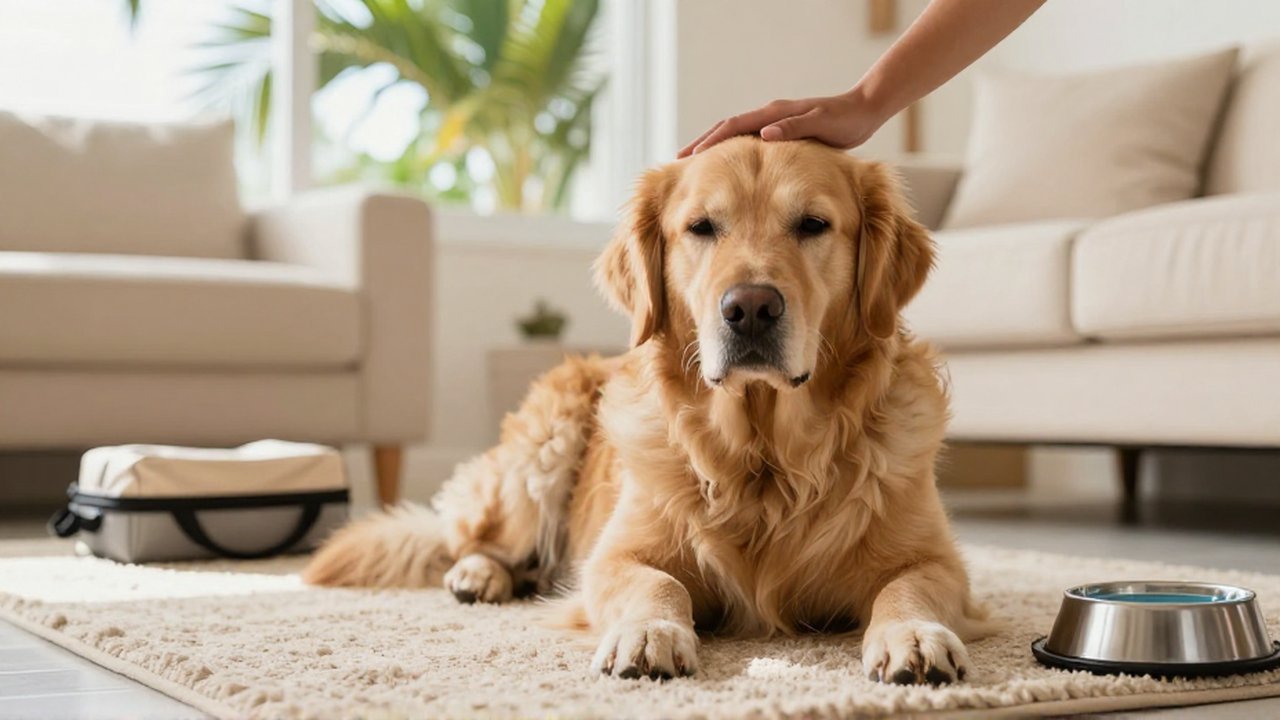
Most pets will exhibit very minor symptoms after receiving a vaccine. These reactions are generally considered normal and indicate that the immune system is responding to the stimulus. Usually, these effects are transient and resolve on their own without medical intervention within 24 to 48 hours, which is how long most vaccine side effects last in pets before returning to baseline.
Common mild side effects include:
- Lethargy: Your pet may seem unusually tired, sleepy, or less interested in playing than usual; this drowsiness is one of the most common vaccine side effects in dogs and cats.
- Mild fever: A slight increase in body temperature may occur as the immune system activates, typically resolving within a day or two.
- Loss of appetite: Some pets may skip a meal or show a temporary lack of interest in their usual snacks.
- Localized soreness: You might notice a small, tender lump or sensitivity at the site where the injection was administered; a vaccine lump at the injection site is usually harmless and shrinks over time.
During this period, it is helpful to provide a quiet, comfortable environment and ensure your pet has easy access to fresh water.
Serious allergic reactions and emergencies
While rare, some pets may experience more significant immunological responses. It is critical to differentiate between a minor reaction and an acute allergic reaction, which requires immediate veterinary attention. Anaphylaxis in pets, though uncommon, is a severe systemic reaction that can be life-threatening if not treated quickly, so knowing the warning signs of an allergic reaction to a vaccine is essential.
Signs of a serious allergic reaction include:
- Facial swelling: Significant swelling around the eyes, muzzle, or ears, which may appear as facial swelling after vaccination.
- Hives or skin irritation: The appearance of raised, itchy bumps on the skin or widespread redness.
- Respiratory distress: Difficulty breathing, wheezing, or heavy panting, which can signal respiratory distress after a vaccine and warrants urgent care.
- Gastrointestinal upset: Repeated vomiting or severe diarrhea.
- Collapse or weakness: Extreme lethargy accompanied by an inability to stand or loss of consciousness.
If you observe any of these symptoms, contact your veterinarian or an emergency animal clinic immediately. Prompt administration of antihistamines or corticosteroids by a professional is often necessary to stabilize the animal.
Monitoring your pet after vaccination

To ensure your pet's safety, a structured approach to post-vaccination care and monitoring is recommended. Observation should be most intense during the first few hours following the appointment, but it should continue for several days to rule out delayed reactions and confirm that any swelling or discomfort is subsiding.
To manage this process effectively, consider the following steps:
- Observe immediately: Watch your pet closely for at least an hour after leaving the clinic to catch any rapid-onset allergic reactions, since hives after pet vaccination can appear within minutes.
- Check the injection site: Periodically feel the area where the vaccine was given to ensure any swelling or tenderness is decreasing rather than increasing.
- Track behavior and eating: Keep a mental or written note of whether your pet is returning to their normal energy levels and appetite.
- Maintain a calm environment: Avoid strenuous exercise, such as long walks or intense play sessions, for 24 to 48 hours to allow the body to rest.
Frequent questions about pet vaccinations
How long should I wait before returning to normal activity? Most pets can return to their regular routine within 24 to 48 hours. If your pet remains lethargic or refuses food beyond two days, consult your veterinarian to rule out any lingering vaccine side effects.
Is it normal for a lump to appear at the injection site? A small, firm lump at the site of injection can sometimes appear. While often harmless, if the lump grows significantly, becomes painful, or does not disappear after several weeks, it should be evaluated by a professional.
Can my pet get sick from the vaccine itself? Vaccines use weakened or inactive components of a virus or bacteria to teach the immune system. While they cannot cause the full-blown disease in a healthy pet, they can cause mild, temporary symptoms as the immune response is triggered.
What should I do if my pet is acting slightly "off" after a shot? If the behavior is mild, such as slight sleepiness or a minor decrease in appetite, monitor them closely and provide rest. However, if you are ever in doubt or if the behavior seems unusual for your specific pet, a quick phone call to your vet is the safest course of action.
Leave a Reply