
First aid for pet wounds and skin infections

Introduction
Pet owners can face unexpected situations when their companions suffer from cuts, scratches, or sudden skin irritation. Understanding basic first aid for pet wounds and skin infections is essential for managing these incidents before professional medical help can be reached. Being prepared allows you to stabilize your pet, minimize pain, and prevent minor injuries from turning into serious, life-threatening infections.
Knowing how to respond correctly during an emergency can make a significant difference in the healing process. While home care is helpful for superficial issues, it is important to recognize the limits of domestic intervention. This guide provides practical steps for managing common dermatological and physical injuries, ensuring you can provide safe and effective immediate care in a tropical environment where bacteria and humidity can accelerate complications.
Immediate steps for minor wound care

When your pet sustains a minor cut or scratch, the primary goal is to clean the area and prevent contamination. First, assess the situation to ensure your pet is calm; an injured animal may bite reflexively due to pain. Once you can safely approach, gently wash your hands and inspect the wound to determine its depth and severity, checking for embedded debris or signs that the injury may be deeper than it first appears.
For superficial abrasions or small cuts, use lukewarm water and a mild, non-scented soap to rinse away debris such as dirt, sand, or grass. Avoid using harsh chemicals like concentrated alcohol or high-strength hydrogen peroxide directly inside deep wounds, as these can damage healthy tissue and delay healing. After cleaning, pat the area dry with a clean, lint-free cloth. Applying a very thin layer of a pet-safe antiseptic can help, but always ensure the pet cannot lick the area immediately afterward, as saliva introduces new bacteria and can irritate the wound. In a tropical climate, keeping the wound dry is especially important because persistent humidity slows healing and favors bacterial growth.
Identifying signs of skin infections
Skin infections in pets can manifest in several ways, ranging from mild redness to severe inflammation. In many tropical climates, humidity and heat can exacerbate these issues, making it harder for the skin to remain dry and healthy. Recognizing the early signs of skin infection in pets allows for faster intervention and prevents the spread of the condition.
Common indicators of a skin infection include:
- Persistent itching: Frequent scratching, biting, or licking of a specific area.
- Redness and swelling: Areas that appear inflamed, warm to the touch, or puffy.
- Discharge: The presence of pus, clear fluid, or blood oozing from the skin.
- Odor: A strong, unpleasant smell emanating from a specific patch of skin or a wound.
- Hair loss: Sudden patches of thinning fur or total baldness in localized areas.
If you notice these symptoms, it is often a sign that a secondary bacterial or fungal infection has taken hold, requiring specific medical treatment that goes beyond simple cleaning. Distinguishing an allergy from a skin infection is not always straightforward, since both can cause itching and redness; a veterinarian can run skin scrapings or cytology to identify the underlying cause before prescribing treatment.
When to seek veterinary assistance
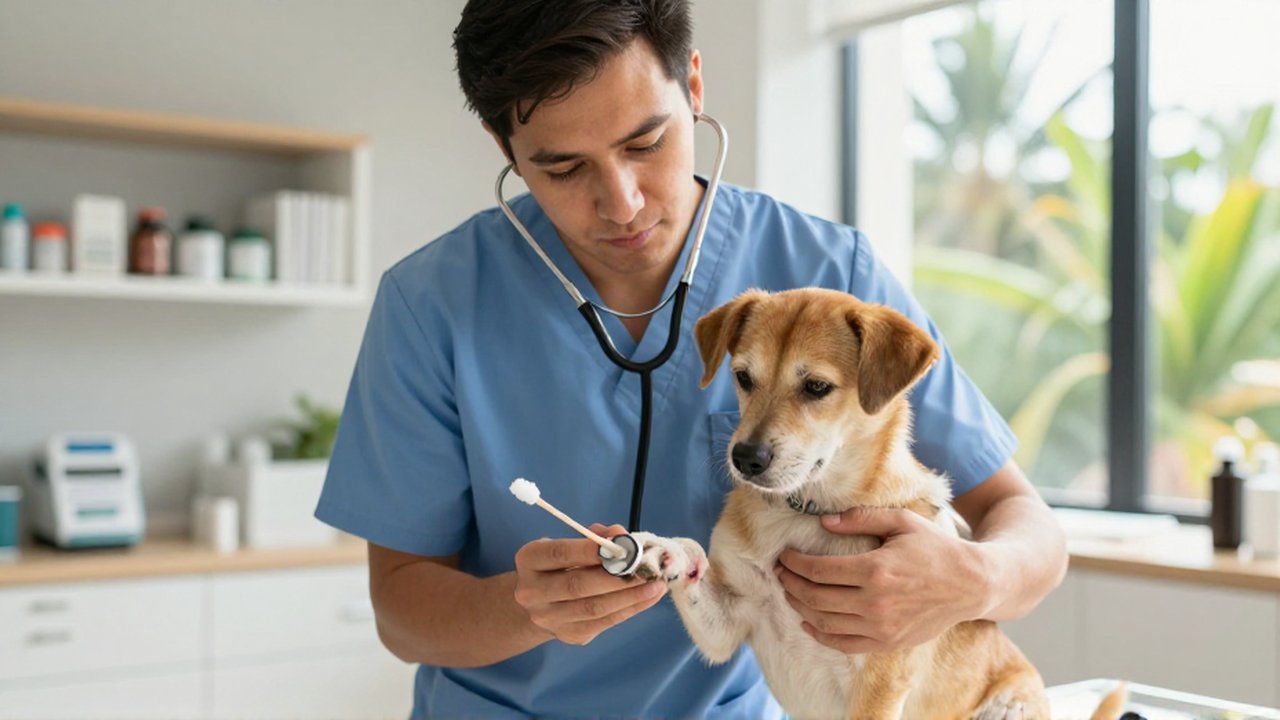
One of the most critical aspects of pet first aid is knowing when home care is no longer sufficient. Certain wounds and skin conditions carry high risks of systemic infection, nerve damage, or excessive blood loss, which can only be addressed by a trained professional. Relying solely on home remedies for serious issues can lead to wasted time and worsening health outcomes. Deep wounds in dogs, in particular, can appear small on the surface while concealing significant internal damage, so a cautious approach is always safer.
You should seek immediate veterinary care if you encounter any of the following:
| Situation | Why it requires professional help |
|---|---|
| Deep or puncture wounds | Risk of internal damage and high bacterial load; puncture wounds can seal over quickly and trap bacteria beneath the skin. |
| Uncontrolled bleeding | Requires sutures or medical pressure to stop; heavy bleeding that soaks through a cloth within minutes needs urgent attention. |
| Large open wounds | Needs professional cleaning and potentially stitches. |
| Signs of systemic illness | Fever, lethargy, or loss of appetite alongside skin issues. |
| Painful lumps or swellings | May indicate tumors, abscesses, or deep-seated infections. |
| Extensive skin redness/pus | Likely requires antibiotics or specialized topical medication. |
Common mistakes in domestic wound management
Many pet owners inadvertently cause more harm while attempting to help their animals. Avoiding these frequent mistakes is just as important as knowing the correct procedures. One of the most common errors is the application of human medications. Many topical creams and ointments intended for people contain ingredients that are toxic to pets if ingested through licking, so it is essential to recognize which human ointments are toxic to pets before applying anything to a wound.
Another frequent mistake is failing to prevent the pet from licking the injury. A pet's tongue is abrasive and carries a high concentration of bacteria. Even if you clean a wound perfectly, constant licking will keep the area moist, prevent scab formation, and introduce oral bacteria into the tissue. Using an Elizabethan collar (often called a "cone") is a highly effective way to ensure the area remains undisturbed during the initial healing phase, and it is the most reliable way to stop a dog from licking a wound. Finally, do not attempt to "drain" an abscess or a swollen area yourself, as this can push the infection deeper into the bloodstream; abscesses in dogs require veterinary drainage and antibiotics.
Frequently asked questions
Can I use human antibiotic ointments on my pet? You should avoid using human ointments unless specifically instructed by a veterinarian. Many contain ingredients that are unsafe if the pet licks the area, and they may not be the correct type of antibiotic for the specific bacteria affecting your pet. A pet-safe antiseptic such as dilute chlorhexidine is generally preferred for cleaning, but always confirm the product and concentration with your vet first.
How can I stop my pet from licking a wound? The most reliable method is to use an Elizabethan collar. You can also use pet-safe bitter sprays, but these are often less effective than a physical barrier, especially if the pet is highly motivated by the discomfort of the wound.
How do I know if a skin rash is an allergy or an infection? While it is difficult to distinguish without a professional exam, allergies often appear as seasonal or environmental triggers, whereas infections usually involve heat, redness, and a noticeable odor or discharge.
What should I do if my pet is bleeding heavily? Apply firm, direct pressure to the wound using a clean cloth or sterile gauze. Do not lift the cloth to check the wound, as this can break any clots that are forming. Keep the pressure constant and transport your pet to an emergency veterinarian immediately; if the cloth becomes soaked, add another layer on top rather than removing the first one.
Leave a Reply