
How to prevent flea and tick skin irritations

Introduction
Flea and tick infestations represent a significant health concern for pets, especially in tropical and humid climates such as the Dominican Republic. These external parasites attach themselves to the skin to feed on blood, which often triggers intense itching, redness, and inflammation. Understanding how to prevent these irritations is essential for maintaining your pet's comfort and preventing more serious secondary issues, such as bacterial infections or systemic diseases transmitted by these pests.
Effective prevention is not just about reacting to an itchy pet; it is a proactive approach to managing the environment and the animal's biological defenses. By implementing consistent care routines, you can significantly reduce the risk of dermatological distress. This guide provides practical strategies to protect your pet's skin from the discomfort and health risks associated with flea and tick activity.
Understanding the causes of skin irritation

Skin irritations caused by fleas and ticks are primarily a result of the biological interaction between the parasite and the host's immune system. When a flea bites, it injects saliva into the skin to prevent clotting while it feeds. Many pets possess an allergy to these salivary proteins, leading to a condition known as Flea Allergy Dermatitis (FAD). This condition causes intense pruritus (itching), which leads to excessive scratching, biting, and licking. The resulting flea bite skin reaction can appear within minutes and may persist for days in sensitive animals.
Ticks present a different type of irritation. While they also inject saliva, the primary concern is often the physical presence of the tick embedded in pet skin. This can cause localized inflammation, swelling, and redness. If the tick is not removed correctly, or if the area becomes irritated by the pet's attempts to dislodge it, the skin may develop sores or lesions. Constant irritation can break the skin barrier, making the pet vulnerable to opportunistic skin infections.
Effective preventative measures for pet owners
The most reliable way to prevent skin irritations is to maintain a consistent preventative regimen. This involves several layers of protection that address both the pet and the surrounding living space.
- Consistent medication application: Depending on the product type, whether it is a topical, oral, or collar-based treatment, timing is critical. Most preventative measures require monthly application to remain effective against new exposures. Following a strict flea and tick medication schedule is the single most reliable way to avoid gaps in protection.
- Environmental management: Fleas often live in carpets, bedding, and cracks in the floor. Regular washing of pet bedding for fleas in hot water (above 60°C) and frequent vacuuming of the home, including under furniture, can reduce the number of parasites present in the environment.
- Yard maintenance: Keeping grass short and reducing heavy vegetation near entry points to the home can limit the hiding spots for ticks. Regular yard maintenance for tick prevention also includes clearing leaf litter and trimming shrubs where ticks and their hosts tend to rest.
- Regular grooming and inspection: Checking your pet’s skin manually after walks or outdoor playtime allows for the early detection of parasites before they cause significant irritation. Routine pet grooming for parasite detection, including running a fine-toothed comb through the coat, helps you spot fleas, flea dirt, or attached ticks early.
Common mistakes in parasite management
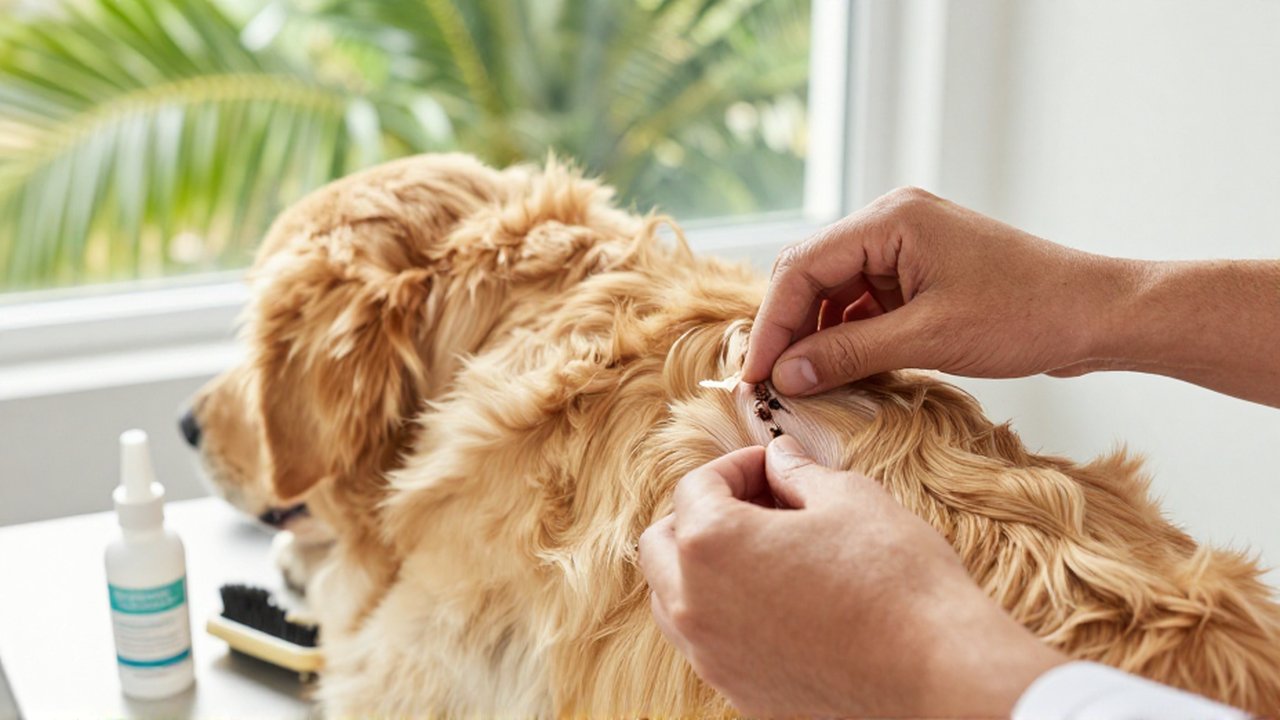
Many pet owners inadvertently increase the risk of skin issues by following ineffective or incorrect preventative methods. One frequent mistake is relying solely on natural flea remedies effectiveness that has not been scientifically proven to provide a consistent barrier against infestation. While some botanical ingredients may act as mild repellents, they rarely provide the long-term protection necessary to prevent skin irritation in high-risk environments.
Another error is the irregular application of flea medication. Skipping a dose or applying a product later than scheduled creates a window of vulnerability where parasites can attach and begin causing skin damage. Furthermore, many owners attempt to remove ticks using improper tools or methods, such as twisting them without proper technique, which can leave the head embedded in the skin and cause chronic inflammation or infection. Learning how to remove a tick from a dog correctly is essential to avoid these complications.
Skin damage signs to monitor
Recognizing the early signs of flea and tick irritation can help you intervene before a minor itch becomes a severe dermatological condition. Owners should look for the following indicators, which may point to pet skin irritation causes ranging from allergic reactions to embedded parasites:
| Sign | Possible Cause | Action Required |
|---|---|---|
| Intense scratching | Flea allergy dermatitis or biting | Consult a professional for parasite control |
| Red bumps or nodules | Localized tick site or flea bites | Inspect for embedded parasites and soothe skin |
| Hair loss (alopecia) | Chronic biting or licking | Seek veterinary advice to prevent skin infection |
| Scabs and sores | Secondary bacterial infection | Professional cleaning and possible medication |
Frequently asked questions
How long does it take for a flea bite to cause skin irritation? Irritation can occur almost immediately, especially in pets with flea allergy dermatitis. In allergic animals, the skin reaction is often an amplified response to the saliva injected during the bite.
Can preventing fleas and ticks also improve my pet's overall skin health? Yes. By eliminating the primary triggers of itching and biting, you allow the skin's natural barrier to heal and prevent the secondary infections that often stem from constant scratching.
Is it enough to treat only the pet and not the house? No. Because fleas can live in the environment for extended periods, treating the pet without addressing the home environment often leads to re-infestation and continuous skin irritation.
What should I do if I find a tick embedded in my pet's skin? You should use fine-tipped tweezers to grasp the tick as close to the skin as possible and pull upward with steady, even pressure. Avoid twisting or jerking, as this can cause the mouthparts to break off in the skin. If the area becomes very red or swollen, or if you notice signs of a secondary skin infection from fleas or the tick site, consult a professional.
Leave a Reply