
How to recognize signs of illness in rescued animals
Introduction
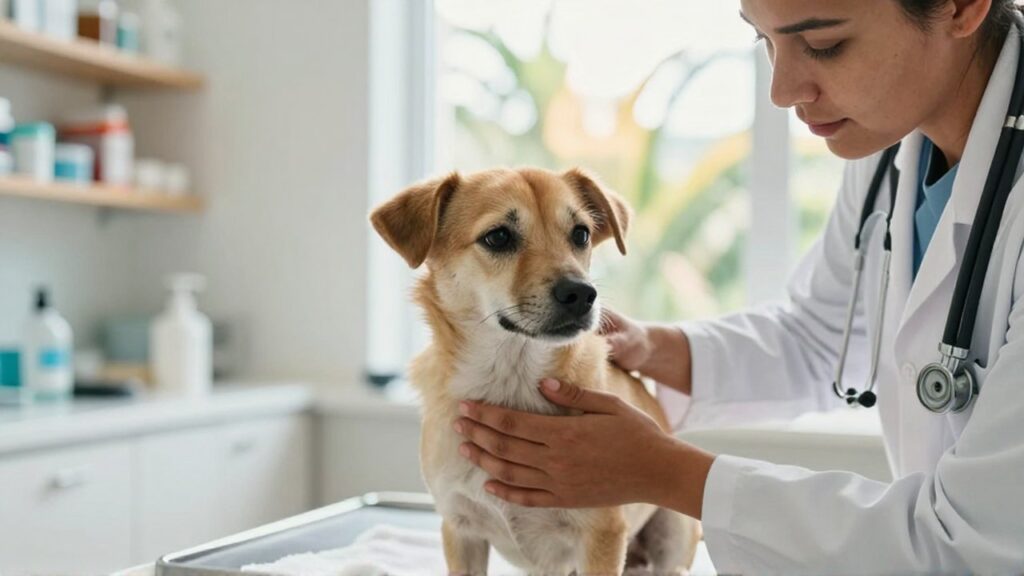
Adopting a rescued animal is a profound act of compassion, but it also brings a unique set of responsibilities regarding their health and well-being. Rescued animals often arrive with unknown medical histories, potential parasites, or underlying conditions caused by previous neglect or malnutrition. Recognizing early signs of illness in rescued animals is essential for ensuring their successful transition into a new home and preventing minor issues from evolving into life-threatening emergencies.
Being able to distinguish between normal adjustment behaviors and genuine clinical symptoms allows caregivers to act quickly. This knowledge is particularly important in tropical climates, such as the Dominican Republic, where heat and humidity can exacerbate certain health vulnerabilities. By observing changes in behavior, appetite, and physical appearance, you can provide the proactive care these animals need to thrive and spot the physical symptoms of sick rescued pets before they worsen.
Common behavioral changes to watch for

One of the first indicators that a rescued animal is feeling unwell is a shift in their standard behavior. Because many rescues are still learning to trust their new environment, it can sometimes be difficult to distinguish between "settling in" anxiety and actual illness. However, certain patterns are red flags, and recognizing illness in rescued pets depends on tracking these changes consistently from day one.
A sudden, profound lethargy in rescued animals is a primary concern. While a shy animal might hide for a few days, an ill animal will often lack the energy to interact, eat, or move even when prompted. Conversely, extreme agitation or repetitive pacing can indicate pain or neurological distress. You should also monitor changes in social interaction; a dog that was previously eager to greet you but suddenly becomes withdrawn, or a cat that stops grooming itself entirely, is likely experiencing discomfort.
Physical symptoms and vital indicators
Physical examinations should be part of your daily routine when monitoring a new pet. Paying attention to the "basics" can reveal many hidden issues before they become visible to the untrained eye, and behavioral changes in rescue animals often appear alongside these physical clues.
- Appetite and Hydration: A sudden refusal of food or water is a significant warning sign. Similarly, if an animal is eating normally but seems excessively thirsty, it could indicate metabolic issues. A loss of appetite in rescued pets that lasts beyond the first day deserves prompt attention.
- Digestive Health: Frequent vomiting, diarrhea, or changes in stool consistency are common causes for veterinary visits. In rescued animals, intestinal parasites are a frequent culprit, so persistent vomiting or diarrhea in rescue animals should never be dismissed as a passing upset.
- Eyes, Nose, and Ears: Watch for discharge from the eyes or nose, cloudiness in the pupils, or a persistent head tilt. Odors coming from the ears or mouth may indicate infection or dental disease.
- Skin and Coat Quality: While a dull coat can be a sign of poor nutrition, sudden hair loss, intense itching, or red, inflamed patches on the skin often point to allergies, parasites, or fungal infections. Skin and coat problems in rescued pets are especially common in humid tropical climates, where fungal spores thrive.
Assessing pain and discomfort
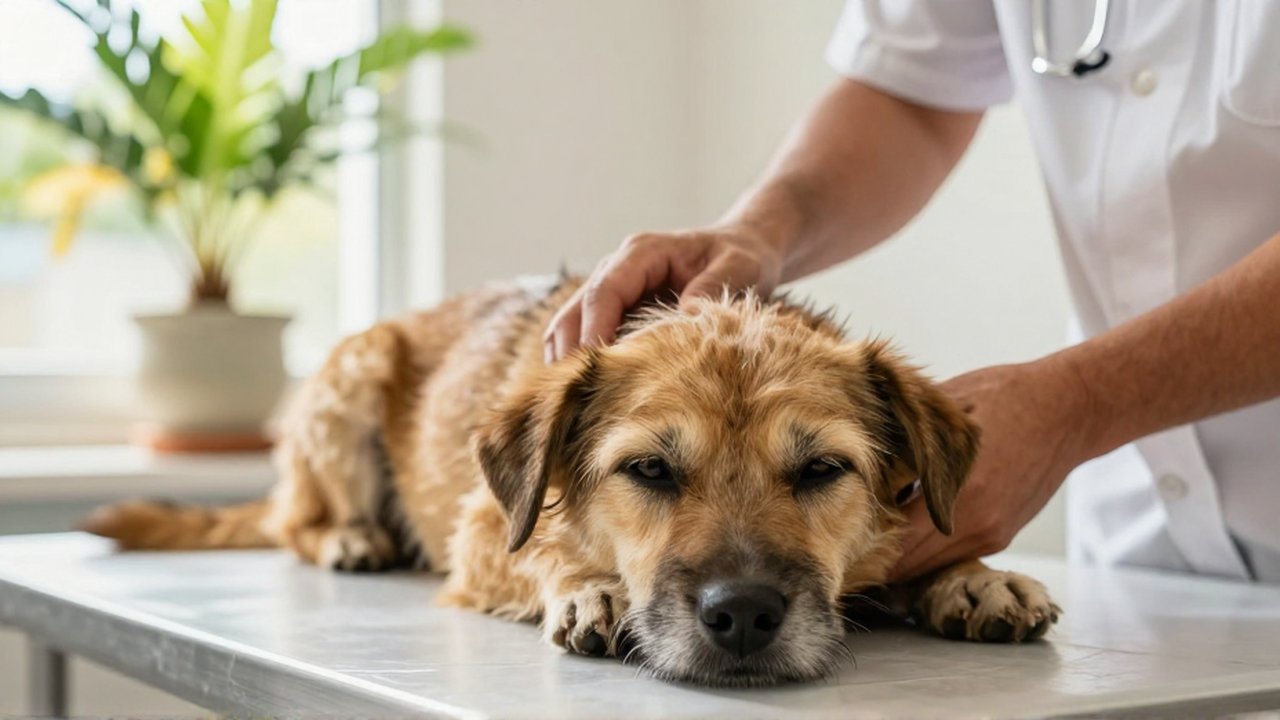
Animals are biologically programmed to hide pain, a survival instinct that can be dangerous for domestic pets. Instead of vocalizing, they often express pain through subtle body language, which is why assessing pain in rescue dogs and cats requires careful observation rather than waiting for a cry or whimper.
In dogs, look for trembling, stiff movement, or a reluctance to jump or climb stairs. A dog that keeps its tail tucked tightly or avoids being touched in certain areas is signaling discomfort. In cats, pain often manifests as aggression when touched, or "loafing" in awkward positions to protect a sensitive area. If you notice an animal guarding a specific body part or reacting sharply to movement, it is a strong indicator that something is physically wrong.
Differences between adjustment and illness
It is crucial to understand the difference between the "decompression" phase of a rescue and an actual medical crisis. The first few weeks in a new home involve significant stress, which can temporarily affect an animal's appetite or sleep patterns, so knowing the difference between adjustment and illness in rescues helps you avoid both panic and dangerous delay.
| Aspect | Normal Adjustment | Potential Illness |
|---|---|---|
| Appetite | Temporary lack of interest due to stress. | Complete refusal of food for over 24 hours. |
| Energy | Sleeping more than usual to settle in. | Extreme lethargy or inability to stand. |
| Socialization | Hiding or avoiding eye contact. | Total withdrawal accompanied by loss of interest in play. |
| Digestion | Occasional soft stool due to diet change. | Persistent vomiting or bloody diarrhea. |
If the behavior persists beyond the initial acclimation period or is accompanied by physical symptoms like fever or discharge, it should be treated as a medical concern rather than a personality trait.
Frequent questions regarding rescue animal health
How long should I wait before seeing a vet after adopting? It is highly recommended to schedule a wellness exam within the first week of adoption. This first week vet check for your rescue pet allows a professional to establish a baseline for the animal's health and screen for common issues like parasites or infectious diseases.
What should I do if my rescued pet stops eating? If a pet skips one meal due to stress, you can monitor them closely. However, if they refuse food for more than 24 hours, or if the refusal is accompanied by vomiting or lethargy, contact a veterinarian immediately.
Can stress cause physical illness in rescues? Yes, significant stress can weaken an animal's immune system, making them more susceptible to existing conditions or new infections. Managing their environment to reduce stress is a key part of preventative healthcare.
How can I tell if my pet is dehydrated? A simple way to check is the "skin tent" test. Gently lift the skin between the shoulder blades; if it snaps back quickly, the pet is likely hydrated. If the skin remains peaked or returns slowly, they may be dehydrated and need medical attention. This dehydration test in pets is quick, painless, and worth repeating daily during the first weeks at home.
Leave a Reply