
Immediate actions for snake bites in the Dominican Republic
Introduction
Snake bites are a serious medical emergency that requires immediate and composed action, particularly when traveling or residing in tropical environments like the Dominican Republic. Because certain native species possess venom, knowing how to react in the first few minutes can significantly influence the clinical outcome and the speed of recovery. This guide provides clear, actionable first aid steps for a snake bite in the Dominican Republic, designed to manage the incident effectively until professional medical help is reached.
Understanding the specific risks associated with local fauna and the correct first aid protocols is essential for anyone spending time in rural areas, coastal vegetation, or dense tropical gardens. Taking the wrong approach can exacerbate tissue damage or speed up the systemic spread of venom. Therefore, prioritizing calm, decisive movements and seeking high-level medical care is the primary objective in any encounter involving a potential venomous bite, since every bite should be treated as a medical emergency.
Essential first aid steps
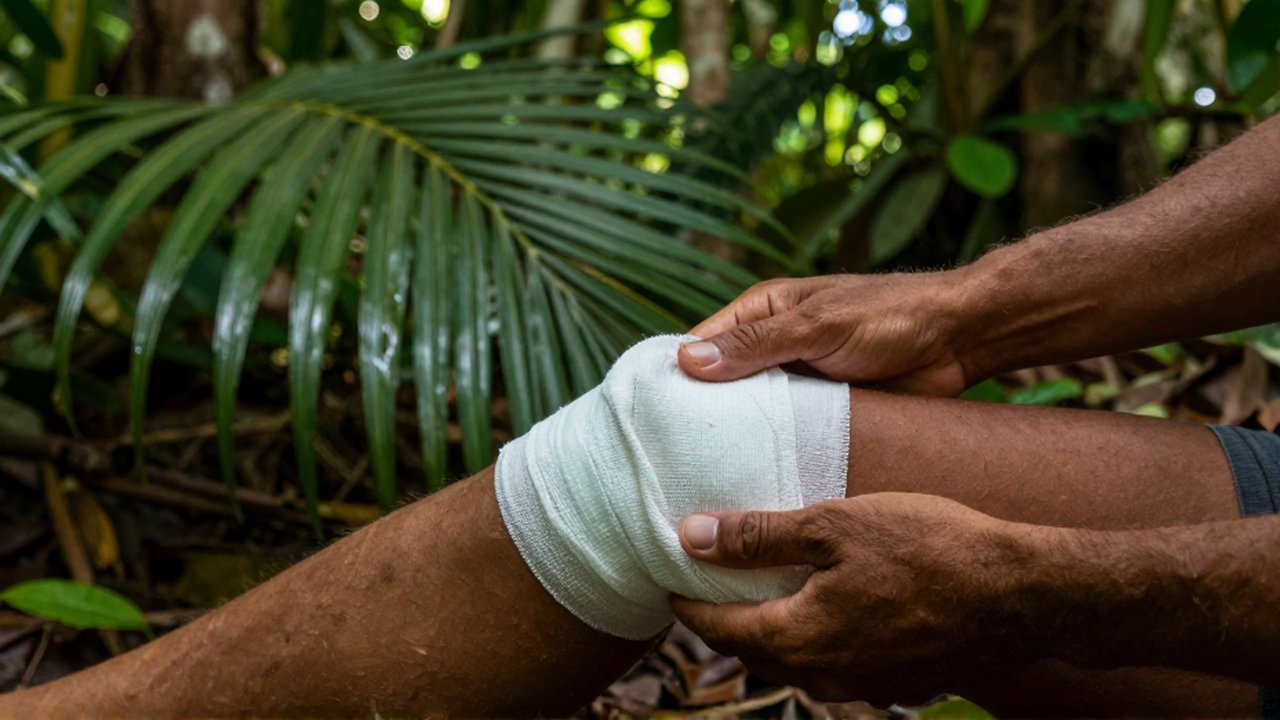
When a snake bite occurs, the priority is to stabilize the individual and minimize the spread of venom through the bloodstream. The following first aid steps for a snake bite should be taken immediately, in order:
- Move away from the snake: Ensure the area is safe to prevent a second strike. Do not attempt to capture or kill the snake, as this increases the risk of further injury. If possible, note the snake's size, color and markings from a safe distance to help medical staff later.
- Keep the victim calm: Anxiety increases heart rate, which can accelerate the circulation of venom. Encourage deep, slow breaths.
- Immobilize the affected limb: Keep the bitten area at or below the level of the heart. Use a makeshift splint if necessary to prevent movement of the muscle, and avoid letting the victim walk or exert themselves, as physical activity accelerates venom absorption.
- Remove constrictive items: Carefully take off rings, bracelets, watches, or tight clothing near the bite site. Rapid swelling is common, and these items can quickly become dangerous tourniquets.
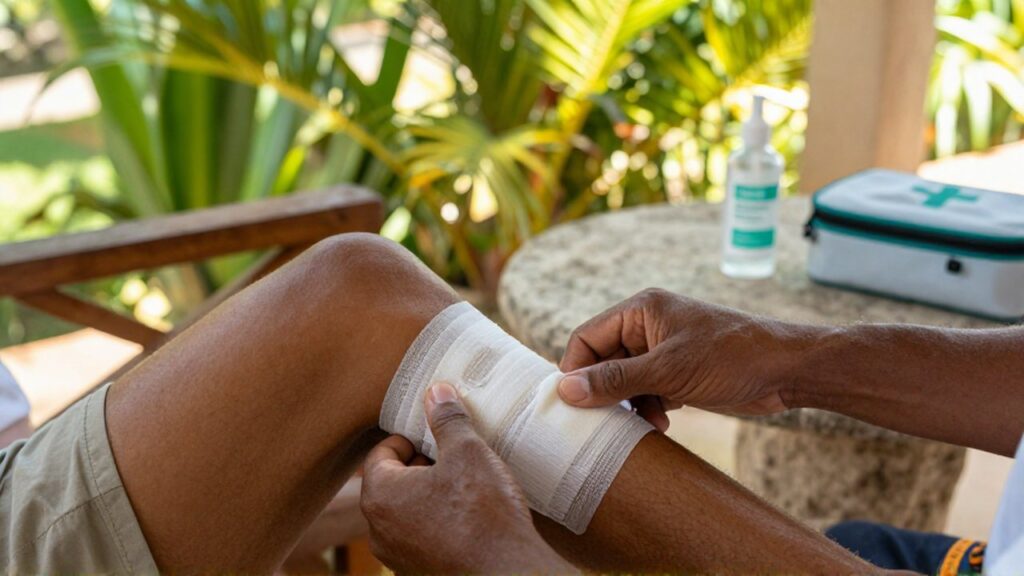
- Clean the wound gently: If water is available, lightly rinse the area, but do not scrub it. Cover it with a clean, dry cloth and keep the limb immobilized while arranging transport to the nearest emergency facility.
Critical mistakes to avoid
In high-stress situations, misinformation can lead to actions that worsen the medical condition. It is vital to avoid the following dangerous mistakes when providing first aid for a snake bite, as several popular "old wives' tales" can cause more harm than the bite itself:
| Action to Avoid | Why it is dangerous |
|---|---|
| Applying a tourniquet | Cutting off blood flow completely can cause localized tissue necrosis and lead to amputation. |
| Cutting the wound | Incisions do not remove venom effectively and significantly increase the risk of infection and bleeding. |
| Sucking out the venom | Human mouths contain bacteria that can infect the wound, and this method is ineffective at removing venom. |
| Applying ice | Extreme cold can cause further damage to the skin and tissues already compromised by venom. |
| Using herbal remedies | Unverified topical treatments can delay professional treatment and cause allergic reactions or infections. |
Seeking medical assistance in the Dominican Republic
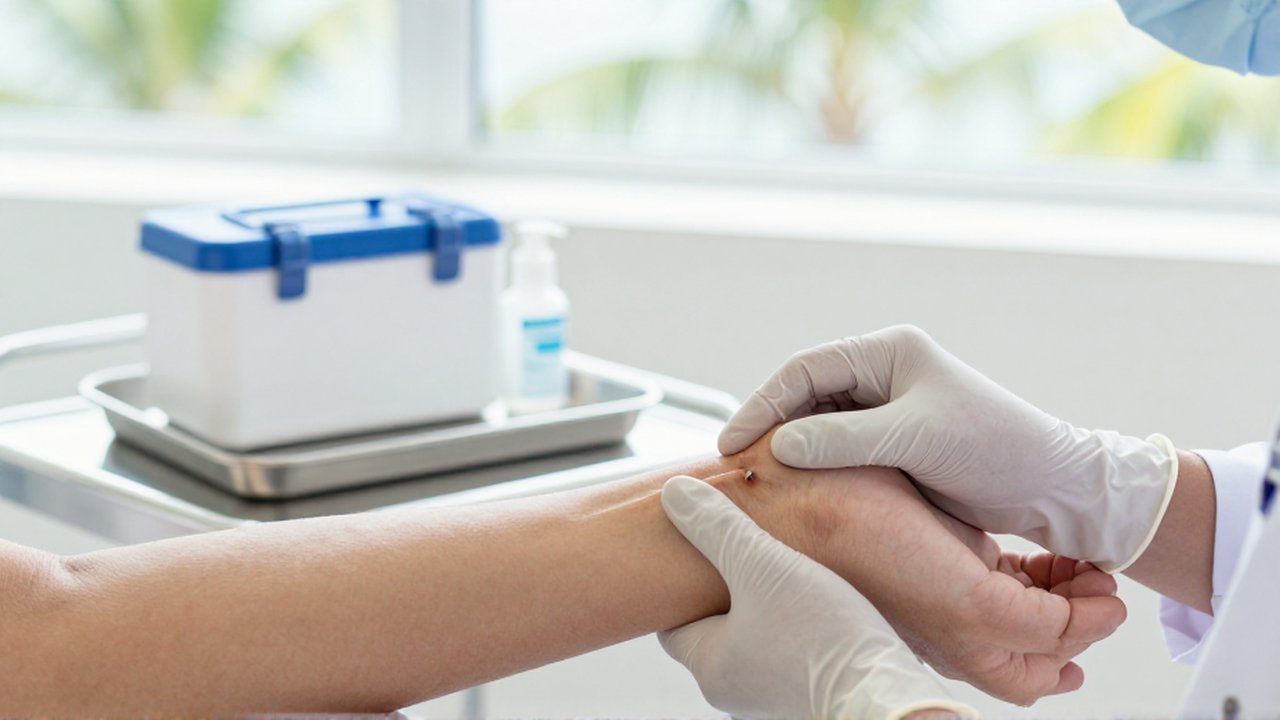
The most important action is to reach a hospital or specialized medical facility as quickly as possible. In the Dominican Republic, the treatment for a venomous bite involves the administration of antivenom, which must be handled by trained professionals in a clinical setting. Do not attempt to buy or self-administer antivenom, as it requires careful monitoring for allergic reactions.
If you are in a remote or rural area, attempt to transport the victim to the nearest urban center with a high-level hospital. Do not wait for symptoms to appear; even if the bite seems minor or the snake appeared non-venomous, professional evaluation is mandatory. If possible, take a photo of the snake from a safe distance to help medical staff identify the species, but never prioritize a photo over the victim's immediate safety. Keeping the victim still and the limb immobilized during transport is essential to slow the spread of venom.
Frequently asked questions
Should I try to identify the snake before going to the hospital? If you can do so safely and quickly, a photo is helpful for doctors to identify the snake by photo and guide antivenom selection. However, never delay medical care or put yourself at risk to identify the animal.
What if the bite does not hurt immediately? Some bites may not cause instant intense pain, and symptoms can take time to develop. You should treat every snake bite as a potential emergency and seek medical attention regardless of the immediate sensation, since delaying treatment can worsen the outcome.
Can an ice pack be used to reduce swelling? No. While it may seem intuitive to reduce swelling, ice can interfere with blood circulation and potentially cause more severe tissue damage in the affected area.
Is it necessary to stay still during transport? Yes. Keeping the victim as still as possible is crucial to slowing the systemic absorption of venom. Minimize any physical exertion during the journey to the medical facility, and keep the bitten limb immobilized at or below heart level throughout the trip.
Leave a Reply