
Signs of sun damage in short-haired animals
Introduction
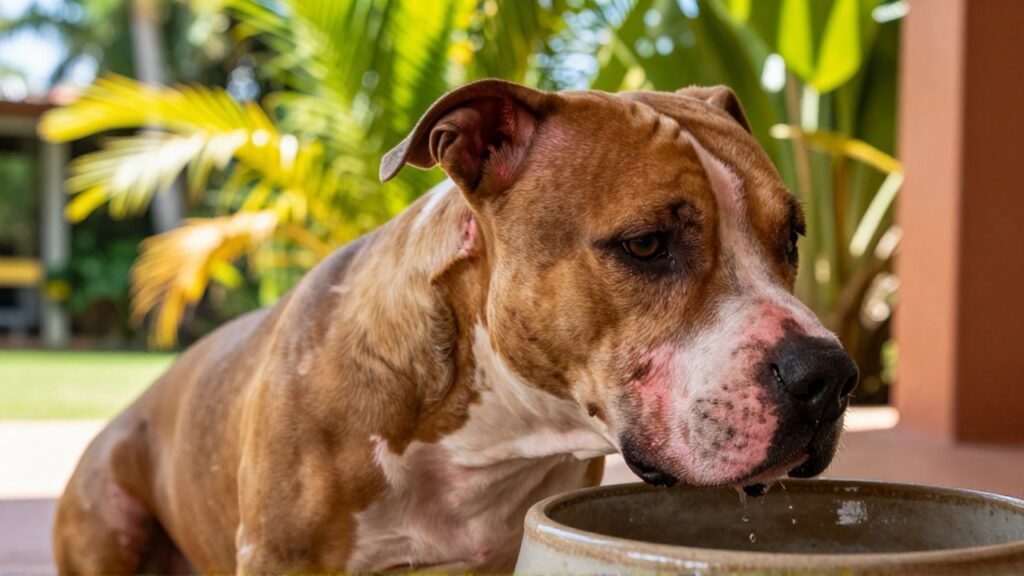
Pet owners in tropical climates often assume that a coat provides sufficient protection against the elements. However, for animals with short hair, this is a dangerous misconception. Sunlight contains ultraviolet (UV) radiation that can penetrate thin fur, reaching the sensitive skin underneath and causing significant cellular damage. In fact, dogs can get sunburned just like humans, and understanding the signs of sun damage in short-haired animals is vital for preventing long-term health complications such as chronic inflammation or even skin cancer.
Recognizing early symptoms allows owners to intervene before a minor irritation becomes a serious dermatological condition. Because short-haired breeds lack the natural "umbrella" effect of thick fur, they are at a much higher risk during peak daylight hours, typically between 10 a.m. and 4 p.m. Monitoring your pet’s skin regularly is a fundamental part of responsible pet care, especially when spending time outdoors in sunny environments.
Common physical signs of sun exposure
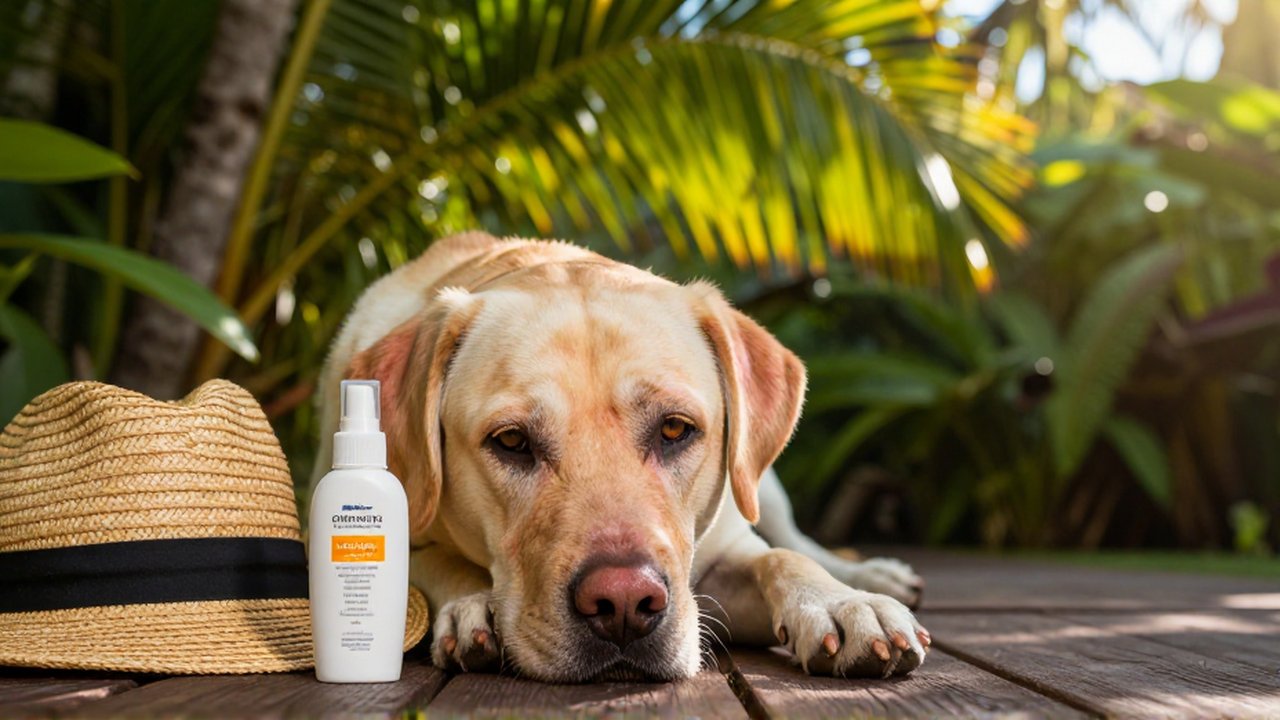
The first indicators of sun damage often appear as visible changes to the skin's texture and color. One of the most frequent signs is erythema, which is the medical term for redness. If your pet’s skin looks flushed or pink, particularly on areas where the hair is thin, they may be experiencing a sunburn. This redness is often accompanied by warmth when you touch the affected area, and it is the clearest early sign of sunburn on dog belly and ears, where the coat is thinnest.
Another sign to watch for is skin peeling on pets or flakiness. Much like a human sunburn, damaged animal skin may lose its moisture and begin to shed in small patches. In more advanced stages, you might notice crusting or scabbing. If the skin feels thickened or leathery, it may indicate chronic sun damage dog skin from repeated exposure to UV rays over time, which can lead to permanent structural changes in the dermis.
Behavioral changes indicating discomfort
Sun damage does not always manifest as a visible skin change immediately; it often presents through changes in how the animal behaves. An animal experiencing skin irritation from the sun will frequently engage in repetitive behaviors to soothe the discomfort, and persistent dog scratching and licking sunburn areas is one of the most telling signals. These include:
- Excessive licking: Focusing intensely on specific spots, such as the belly, paws, or ears.
- Scratching or rubbing: Using their paws or rubbing their body against furniture to relieve itching.
- Lethargy: A sudden decrease in energy, which may accompany a systemic reaction to a severe burn.
- Irritability: Becoming more sensitive to touch or showing signs of distress when handled in certain areas.
If your pet becomes unusually preoccupied with grooming a specific area, it is a strong signal that the underlying skin is compromised. Distinguishing sunburn vs allergy in dogs matters here: allergic reactions tend to appear suddenly and spread across the body, whereas sunburn develops gradually on exposed, thin-haired zones after time outdoors.
High risk areas for short haired pets
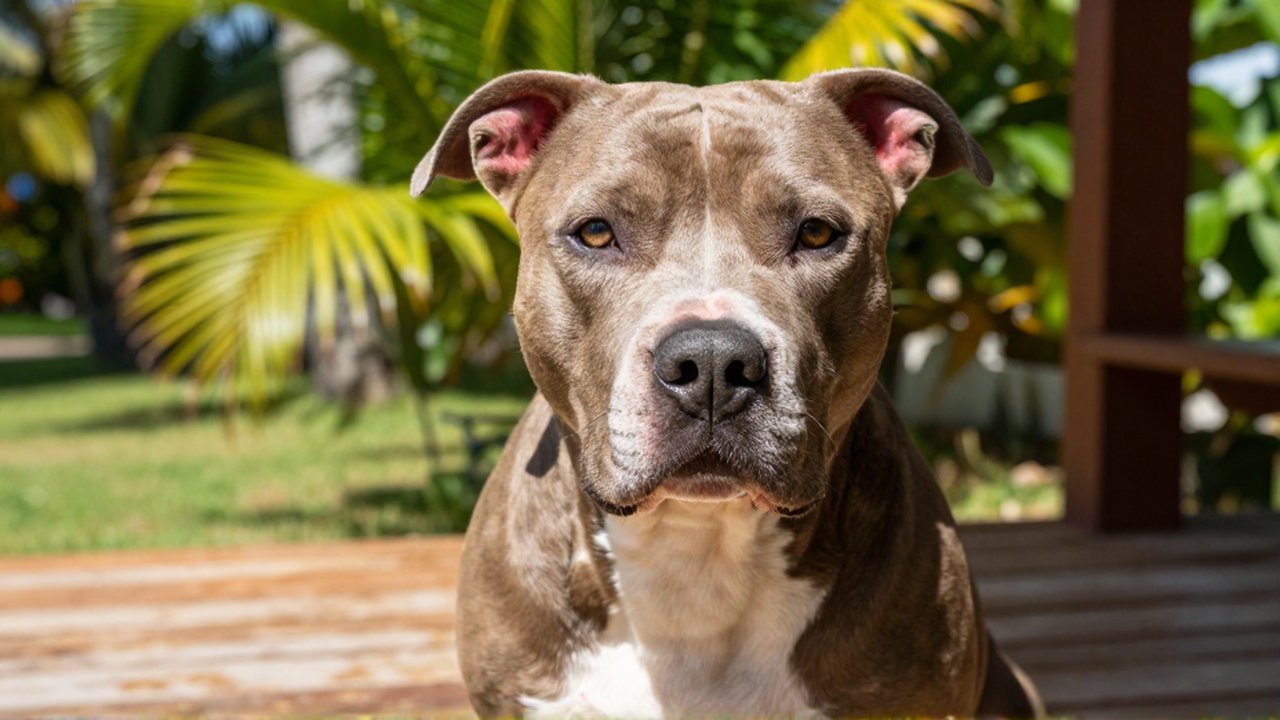
Not all parts of a pet's body are equal when it comes to UV vulnerability. Owners should pay close attention to "thin-cover" zones where the skin is closest to the surface, since these are the high risk sun areas on dogs that require the most consistent protection and inspection.
| Body Part | Risk Level | Reason for Vulnerability |
|---|---|---|
| Nose and Muzzle | Very High | Often pigmented but thin skin with minimal hair coverage. |
| Ears | High | The thin edges of the ears are highly susceptible to burning. |
| Abdomen/Belly | High | Hair is typically much shorter and thinner on the underside. |
| Paw Pads | Moderate | Direct contact with hot, sunny surfaces can cause thermal and UV damage. |
Focusing your inspections on these specific zones can help you catch damage before it spreads or worsens. Remember that paw pad sunburn dogs can also occur on hot pavement, so check the pads after every walk and avoid walking during the hottest hours of the day.
Long term consequences of UV radiation
Chronic sun exposure is not merely a matter of temporary discomfort; it can lead to severe physiological issues. One of the most significant risks is the development of Squamous Cell Carcinoma (SCC), a common type of skin cancer in animals. This often begins as a small, non-healing sore or a crusty lesion, particularly on the nose or ears, and it is the main reason why skin cancer risk in short-haired dogs rises sharply with cumulative UV exposure.
Repeated sun damage also weakens the skin's natural barrier. This makes the animal more susceptible to secondary infections, such as bacterial or fungal dermatitis, because the skin can no longer effectively repel pathogens. Once the skin's integrity is compromised, healing takes longer, and the cycle of irritation and damage becomes harder to break.
Frequently asked questions
How can I tell if a red spot is a sunburn or an allergy? While both can cause redness, a sunburn usually appears after significant time spent outdoors and is often accompanied by skin warmth. Allergies may present with more localized itching or different patterns of swelling. If you are unsure, consulting a professional is the safest course of action.
Is it safe to use human sunscreen on my pet? No, you should avoid using human sunscreen toxic for pets. Many human formulations contain ingredients, such as zinc oxide or certain salicylates, that can be toxic to animals if they lick the product off their skin. Always use pet sunscreen safe for dogs and other animals, specifically formulated for veterinary use.
Can a dog with dark skin still get sun damage? Yes. While darker pigmentation provides a higher degree of natural protection compared to light-colored skin, it is not an absolute shield. All animals are susceptible to UV damage, especially in high-intensity tropical environments, so short-haired dog sun protection should remain a daily habit regardless of coat color.
When should I seek professional veterinary help? You should seek assistance if you notice open sores, bleeding, excessive swelling, or if the animal seems to be in significant pain. Any skin lesion that does not heal within a few days warrants a professional examination to rule out malignancy.
Leave a Reply