
Where to find affordable pet vaccination services in DR
Introduction
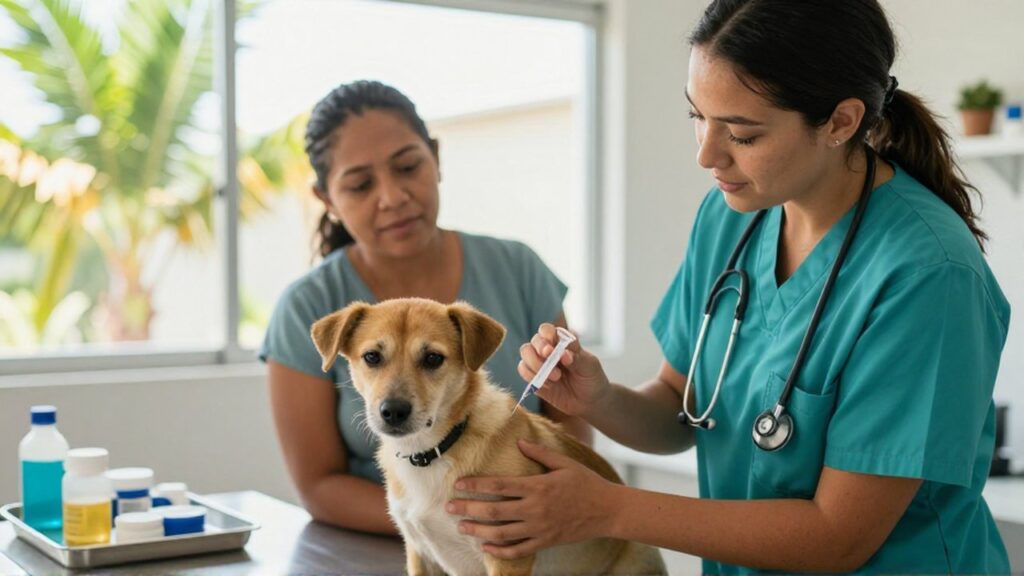
Maintaining a regular vaccination schedule is a fundamental pillar of responsible pet ownership in the Dominican Republic. Vaccines protect animals against preventable diseases such as rabies, parvovirus, and distemper, which can be particularly dangerous given the tropical climate and local environmental factors. Ensuring your pet is up to date with their immunizations not only safeguards their individual health but also contributes to public health by preventing the spread of zoonotic diseases within the community. Following a clear calendario de vacunación para mascotas en RD helps owners stay on track with core and booster doses.
Finding cost-effective veterinary services can be a challenge for many pet owners. While private clinics offer specialized care, the costs can accumulate quickly, especially when managing multiple animals or needing boosters. Understanding the different avenues available for vaccination—ranging from government-led initiatives to community-based services—allows owners to make informed financial decisions without compromising the quality of medical care their pets receive. Comparing vacunas para perros precios República Dominicana and vacunas para gatos precios República Dominicana across providers is a practical first step.
Public veterinary programs and municipal initiatives
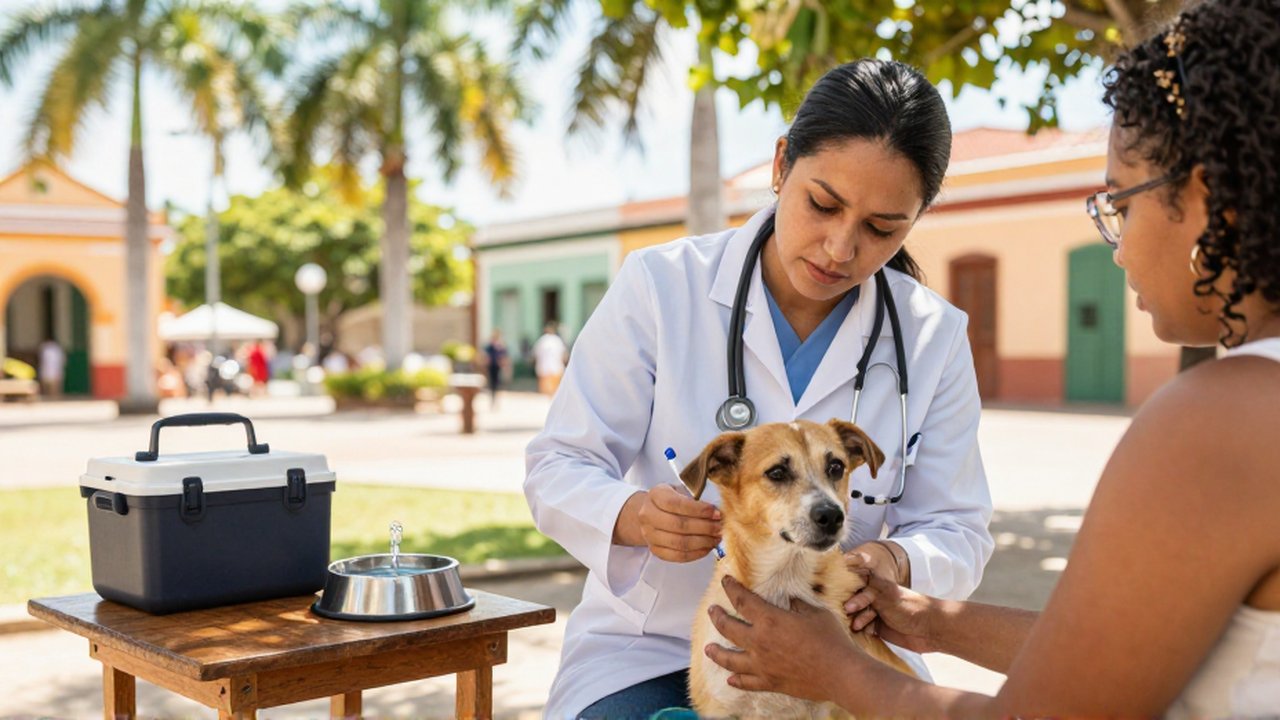
One of the most reliable ways to access affordable vaccination services is through local government programs. In many municipalities across the Dominican Republic, the Ministry of Agriculture and local health authorities periodically organize mass vaccination campaigns. These events are specifically designed to control the spread of rabies and other infectious diseases among the domestic animal population, and they often include the vacuna antirrábica para perros gratis as part of the public health effort.
These campañas de vacunación municipal para mascotas are often free or require a very nominal fee. They are frequently held in public plazas, community centers, or mobile units that travel to different neighborhoods. While these services are highly economical, they are often periodic rather than continuous. It is essential to stay connected with local municipal social media pages or community boards to know when the next drive is scheduled, as these windows of opportunity may only open a few times a year.
Non-profit organizations and animal welfare NGOs
Animal welfare organizations and non-profit NGOs play a crucial role in the Dominican Republic's pet health landscape. These organizaciones de bienestar animal República Dominicana often operate with limited budgets, but they prioritize preventative medicine as a way to reduce the long-term burden of animal suffering. Many NGOs partner with local veterinarians to offer subsidized vaccination clinics for low-income pet owners, and some maintain lists of clínicas de bajo costo para vacunar mascotas in their service areas.
When looking for these services, consider the following:
- Adoption-based services: Some organizations provide the first round of essential vaccines as part of the adoption process.
- Community clinics: Some NGOs run "low-cost" days where specific vaccines are offered at a fraction of traditional clinic prices, and these jornadas de vacunación canina y felina are often announced through local shelters and social media.
- Fundraising events: Occasionally, non-profits host events specifically to fund medical supplies, including vaccines, for the community.
Comparison of veterinary service types
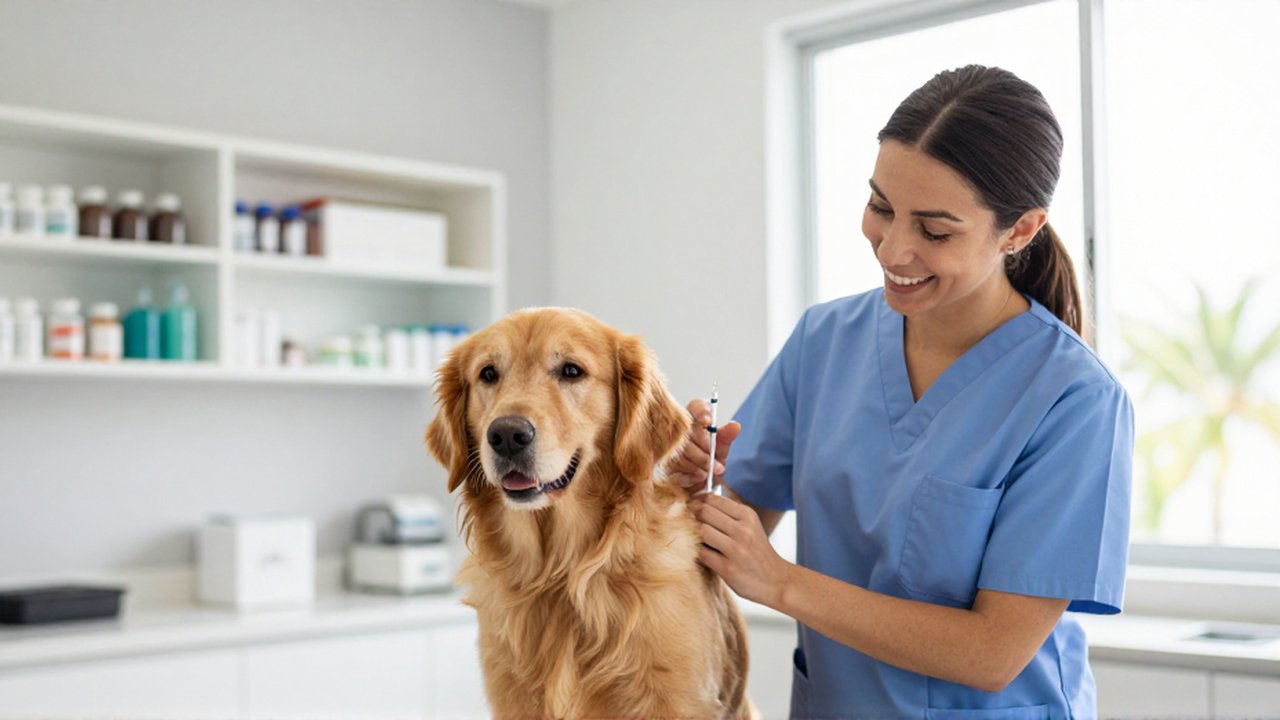
Choosing where to vaccinate your pet involves balancing cost, convenience, and the specific medical needs of your animal. The following table outlines the general characteristics of the different options available in the country, from servicios de vacunación para mascotas económicos to full-service private practices.
| Service Type | Typical Cost | Availability | Primary Benefit |
|---|---|---|---|
| Government Campaigns | Very Low / Free | Periodic / Seasonal | Highly affordable and community-focused |
| NGO/Non-profit Clinics | Low to Moderate | Scheduled events | Supports animal welfare causes |
| General Private Clinics | Moderate to High | Year-round | Personalized care and immediate access |
| Mobile Veterinary Units | Variable | Occasional | Convenience for those in remote areas |
Tips for managing vaccination costs
To make the most of your budget while ensuring your pet remains protected, consider implementing a proactive management strategy. Instead of waiting for an emergency, which is significantly more expensive, planning ahead can save money. Asking your veterinarian about subsidios de vacunación para mascotas and upcoming community drives is a simple way to reduce out-of-pocket costs.
First, maintain a digital or physical vaccination record. Knowing exactly when your pet is due for a booster allows you to plan your finances and look for upcoming community drives or discounts. Second, consider "package" deals. Some private veterinary offices offer bundles that include multiple essential vaccines at a slightly reduced rate compared to purchasing each one individually, and a few even arrange veterinarios a domicilio para vacunas for owners who cannot easily travel to a clinic.
Finally, always ask for a detailed breakdown of costs. When visiting a clinic, inquire if the price includes the consultation fee, the vaccine itself, and any necessary administration fees. Understanding the full cost upfront prevents surprises and helps you decide if the service fits your current budget.
Frequently asked questions
Are free vaccination campaigns as effective as private clinic vaccines? Generally, yes. Government and NGO campaigns use standard medical-grade vaccines, and the same applies to the vacunación de refugios de animales República Dominicana programs run by shelters. The primary difference lies in the level of individual consultation and personalized follow-up care that a private veterinarian typically provides.
How often should I vaccinate my pet in the Dominican Republic? Vaccination schedules vary depending on the species (dog or cat) and the specific diseases they are at risk for. Most essential vaccines require an initial series followed by annual or multi-year boosters. You should always consult a professional to establish a plan suited to your local environment, and many owners combine desparasitación y vacunación de perros y gatos in a single visit to save time and money.
Can I skip vaccinations to save money? Skipping vaccinations is generally not recommended. The cost of treating a preventable disease is almost always significantly higher than the cost of the preventive vaccine itself, both in terms of medical expenses and the risk to your pet's life.
What should I bring to a vaccination campaign? If you are attending a community drive, it is helpful to bring your pet's existing medical records, a leash for dogs, and a carrier for cats. Being organized helps the technicians work more efficiently and ensures your pet's history is recorded correctly.
Leave a Reply