
How to choose sugar-free treats for diabetic pets

Introduction
Managing a pet with diabetes requires constant vigilance, especially regarding their diet. While maintaining a consistent schedule of insulin and prescription food is vital, the desire to reward them with treats is a natural part of the bond between owner and animal. However, providing the wrong snack can cause dangerous spikes in blood glucose levels, complicating their condition and potentially leading to long-term health complications. A structured approach to pet diabetes diet management helps keep those rewards safe and predictable.
Choosing sugar-free treats is not just about avoiding sweetness; it is about understanding glycemic impact and ingredient quality. The goal is to find options that satisfy your pet's urge to chew or taste something new without disrupting their metabolic stability. This guide provides the necessary framework to navigate the treat aisle safely, ensuring that your rewards remain a positive part of their care routine.
Understanding the impact of sugar on diabetic pets
For pets living with diabetes, the body struggles to regulate blood glucose because of insufficient insulin production or use. When a pet consumes sugar or high-carbohydrate treats, glucose enters the bloodstream rapidly. This creates a spike that can be difficult for the animal to manage, even with regular medication. Frequent spikes can lead to insulin resistance and increased difficulty in maintaining a stable health baseline, so it is essential to recognize the signs of hyperglycemia in pets, such as increased thirst, frequent urination, and lethargy.
It is important to differentiate between "no added sugar" and "low glycemic index." A treat might not have cane sugar, but it could be loaded with starch, honey, or dried fruits like raisins or sweet potatoes, all of which can raise blood sugar levels. When selecting low glycemic treats for pets, the focus should always be on ingredients that digest slowly and do not cause immediate metabolic shifts.
Essential ingredients to avoid in pet treats
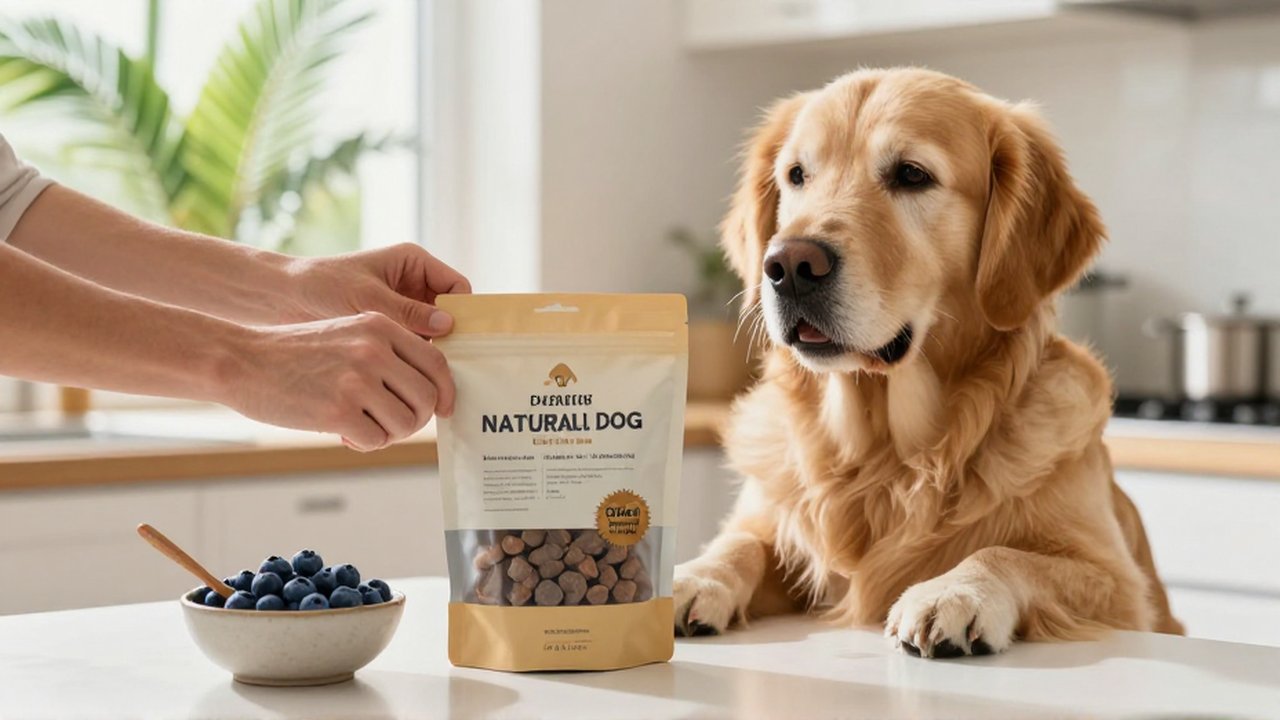
To protect your pet, you must become an expert at reading ingredient labels. Many commercial treats use "hidden" sugars or high-carb fillers that act similarly to table sugar in the body. Knowing the ingredients to avoid in diabetic pet treats is the first line of defense against accidental glucose spikes.
- Sweeteners and Sugars: Avoid honey, molasses, corn syrup, agave nectar, and sucrose. Even natural sweeteners like maple syrup can be problematic. Be especially alert to xylitol toxicity in dogs, which can cause a rapid, life-threatening drop in blood sugar.
- High-Carbohydrate Fillers: Be cautious of excessive amounts of corn, wheat, or rice flour. These starches break down into glucose during digestion.
- Dried Fruits: Many "fruit-flavored" treats contain concentrated fructose, which is highly impactful for diabetic animals.
- Artificial Sweeteners: Some sugar substitutes, such as Xylitol (birch sugar), are extremely toxic to dogs and should never be used in any pet product.
Criteria for selecting safe treat options
When you are standing in the pet aisle, use these three criteria to evaluate any potential reward. This systematic approach helps prevent accidental dietary errors.
Protein-based rewards The safest treats for diabetic pets are often single-ingredient proteins. Dehydrated or freeze-dried meat treats for dogs, such as chicken, beef, or fish, provide flavor and texture without the carbohydrate load. Because these protein treats for diabetic pets are mostly protein and fat, they have a negligible impact on blood glucose levels.
Fiber content Fiber is a beneficial component because it slows down the absorption of nutrients. High fiber treats for diabetic pets that incorporate non-starchy vegetables or high-fiber additives can help maintain a more gradual rise in glucose. However, always ensure the primary ingredient is not a starch-heavy vegetable.
Caloric density Even sugar-free treats contain calories. For diabetic pets, weight management is crucial because excess body fat can decrease insulin sensitivity. Practicing careful diabetic pet calorie management by choosing smaller, bite-sized pieces ensures that "treat time" does not inadvertently lead to weight gain.
Comparison of treat types for diabetic pets

| Treat Type | Glycemic Impact | Best For | Notes |
|---|---|---|---|
| Freeze-dried meats | Very Low | Training and rewards | High protein; check for added flavorings. |
| Vegetable slices | Low | Healthy snacking | Use green beans or cucumber; avoid carrots in excess. |
| Baked starch treats | High | Avoidance | Often contain wheat or corn; use sparingly or avoid. |
| Fruit-based treats | Moderate/High | Avoidance | High in natural sugars; can cause spikes. |
Common mistakes when managing pet treats
A frequent mistake is assuming that a treat labeled "natural" is automatically safe for a diabetic pet. In the pet food industry, "natural" is a broad term that does not account for the glycemic load of the ingredients. A treat made of natural honey and oats is still highly problematic for a diabetic animal.
Another common error is treating "sugar-free" as a universal safety net. Some manufacturers replace sugar with high amounts of starch to maintain texture. Additionally, owners often forget to account for treats when calculating daily caloric intake. Every morsel counts toward the daily total, and consistency is the key to successful diabetes management.
Frequently asked questions
Can I give my diabetic pet plain boiled vegetables? Yes, many non-starchy vegetables like green beans or cucumbers are excellent, low-calorie, and low-sugar options that make safe treats for diabetic dogs. Always ensure they are plain, with no added salt, oils, or seasonings, so they remain treats that don't spike blood sugar in pets.
Are dental chews safe for diabetic pets? Dental chews for diabetic pets can be tricky. While they are good for hygiene, many are high in starch to provide the necessary texture. Always check the label for carbohydrate content and consult your veterinarian before introducing them.
How often can I give treats to a diabetic pet? Treats should be given sparingly. They should be treated as a small percentage of the total daily caloric intake, and low carb pet treats are generally the safest choice. The frequency depends on your pet's specific metabolic needs as determined by your vet.
What should I do if my pet eats something sugary by mistake? If your pet consumes a high-sugar treat, monitor them closely for signs of hyperglycemia (increased thirst, frequent urination, or lethargy) and contact your veterinarian to discuss whether an insulin adjustment is necessary.
Leave a Reply