
How to protect native bat species in Dominican Republic
Introduction
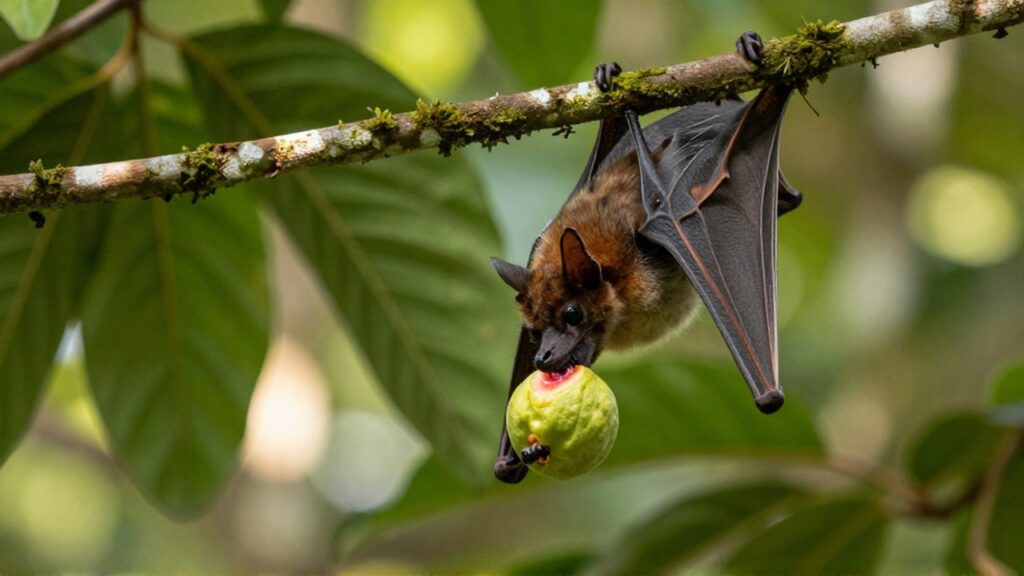
Bats play a vital role in the ecological balance of the Dominican Republic, acting as natural pest controllers, pollinators, and seed dispersers. Protecting these native mammals is essential for maintaining the health of local forests, agricultural productivity, and the stability of tropical ecosystems. Understanding how to safeguard these creatures helps preserve the biodiversity that characterizes the Caribbean region, where bat conservation in Dominican Republic has become a growing priority for environmental groups and local communities.
Learning about bat conservation is particularly important for residents, travelers, and environmental enthusiasts who wish to minimize their impact on local fauna. By adopting specific behaviors and supporting conservation-minded practices, individuals can contribute to the survival of various species, ranging from fruit-eating bats to insectivorous varieties that protect crops.
Importance of bats in the local ecosystem
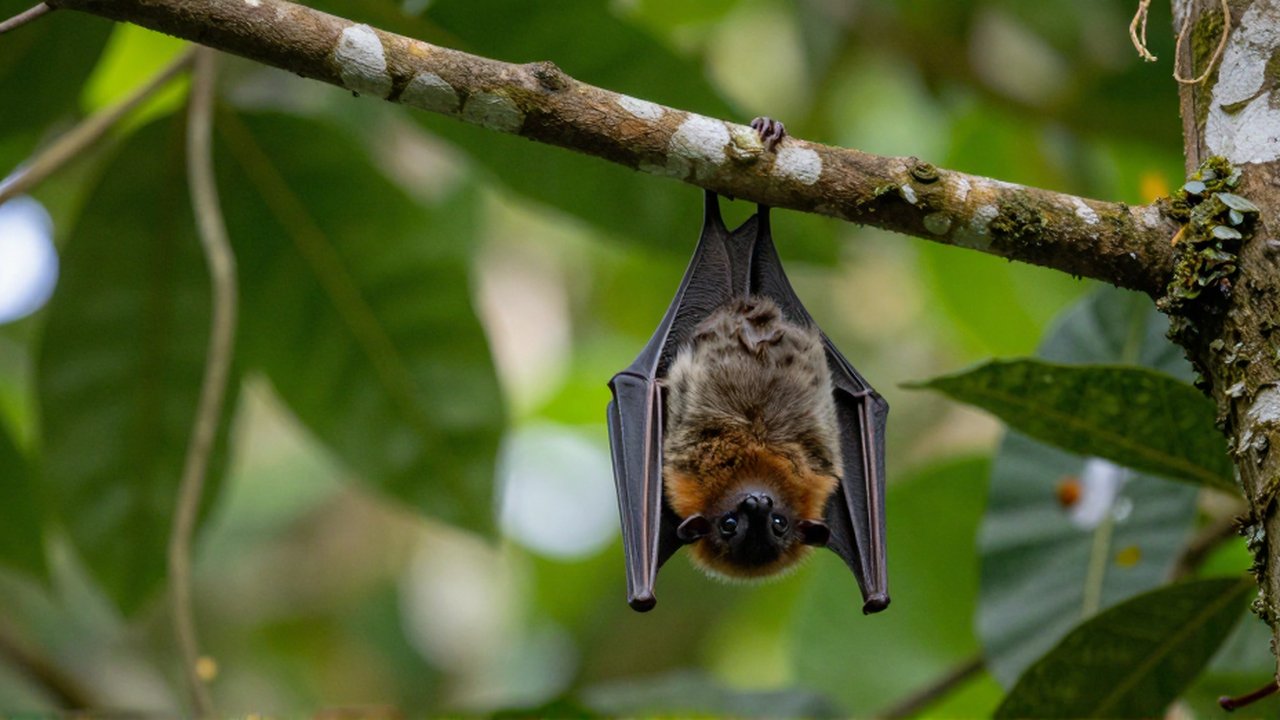
Bats serve as "ecosystem engineers" in the Dominican Republic. Many native species are nocturnal specialists that perform services that are difficult to replicate through human intervention. For example, insectivorous bats consume vast quantities of nocturnal insects, which helps regulate populations of mosquitoes and agricultural pests. This natural service reduces the need for chemical pesticides in local farming, and the ecological role of Caribbean bats in controlling crop damage is well documented across the region.
Furthermore, fruit-eating bats are critical for forest regeneration. As they fly between trees, they disperse seeds through their droppings, facilitating the growth of new vegetation in diverse terrains. Without these nocturnal pollinators and dispersers, the structural integrity of tropical forests could decline, leading to a loss of habitat for countless other species. This seed dispersal by fruit bats is especially valuable in the Dominican Republic, where fragmented forests depend on these mammals to recolonize cleared areas.
Common threats to bat populations
Several human-driven factors contribute to the decline of bat populations in the Caribbean. Habitat loss is perhaps the most significant threat, as urban expansion and deforestation reduce the available roosting sites and food sources. When forests are cleared for development or agriculture, bats lose the trees and caves they rely on for shelter. Protecting bat roosting sites and preserving bat habitats are therefore among the most effective measures that landowners and municipalities can adopt.
Light pollution and chemical usage also pose serious risks. Artificial light at night can disrupt the natural foraging patterns of many species, making them more vulnerable to predators or preventing them from reaching their feeding grounds. Additionally, the excessive use of pesticides in nearby agricultural areas can lead to unintended poisoning, as insects consumed by bats may contain toxic residues. Reducing light pollution and limiting pesticide use around bat habitats are two practical ways to lower these threats.
Practical steps for conservation
Protecting bats does not always require large-scale activism; small, intentional changes in lifestyle and community management can make a significant difference. The following bat conservation tips are designed for homeowners, farmers, and nature enthusiasts who want to support native species without specialized equipment.
- Preserve natural habitats: Avoid clearing dense vegetation or large trees in your local area. Maintaining "green corridors" helps bats navigate between feeding and resting sites, and it also protects the native bat species that depend on mature forest cover for shelter.
- Reduce light pollution: Use motion-sensor outdoor lighting or shielded fixtures that direct light downward. Reducing unnecessary ambient light helps maintain the natural nocturnal cycle.
- Minimize pesticide use: Opt for organic gardening methods or integrated pest management. This ensures that the insect population remains a safe food source for insectivorous bats.
- Respect roosting sites: If you encounter a cave or a hollow tree that appears to be a roost, avoid disturbing it. Noise, lights, and physical intrusion can cause entire colonies to abandon their homes.
Safe interaction with bats
While bats are beneficial, it is crucial to maintain a respectful distance to ensure both human and animal safety. If you find a bat on the ground or in an unusual location, do not touch it with bare hands. Bats can carry zoonotic diseases, and an accidental bite or scratch can be a health risk.
If a bat is found inside a living space, the best approach is to open windows and doors to allow it to exit naturally. If a bat has been in contact with a person or a pet, it is essential to seek professional medical or veterinary advice immediately. Treating bats with caution rather than fear is the foundation of responsible coexistence.
Frequently Asked Questions
Are all bats in the Dominican Republic dangerous? No, most bat species are harmless to humans and serve beneficial roles in the environment. While some species can carry diseases, they generally avoid human contact unless provoked or sick.
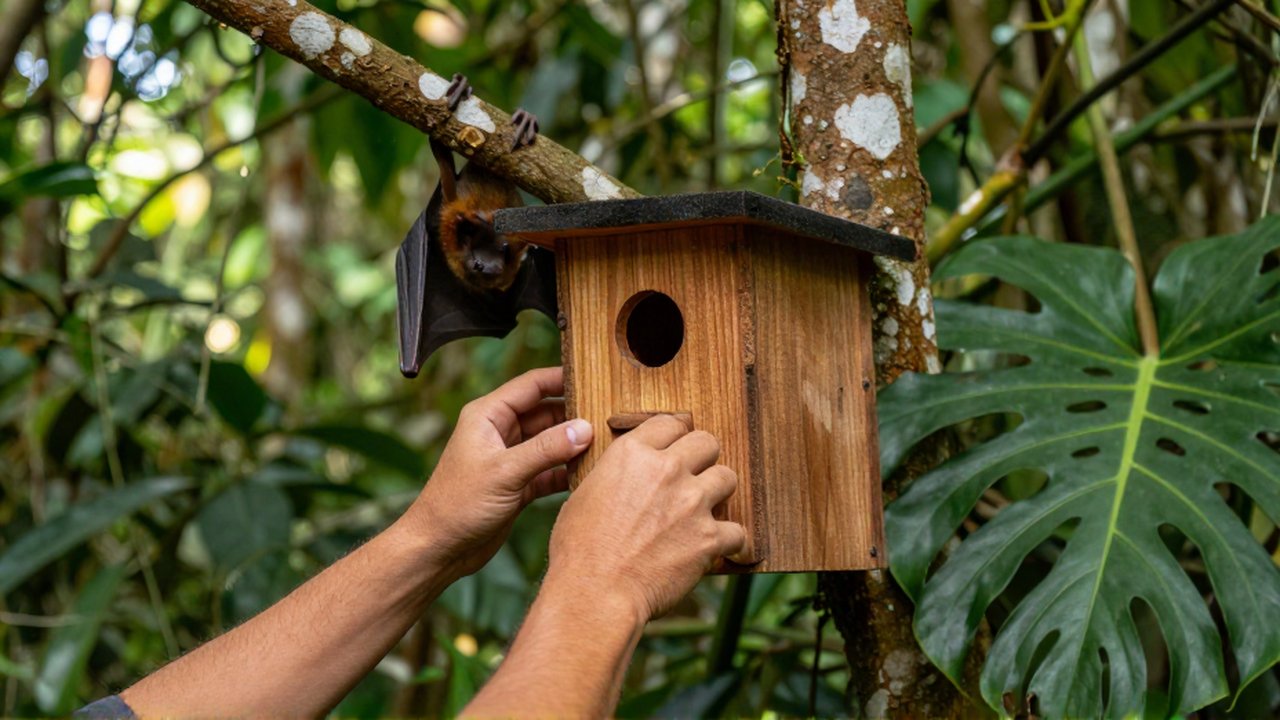
Can I build a bat house in my garden? Yes, providing artificial roosting sites can help, but it is most effective when done in areas with plenty of natural vegetation and minimal light pollution to ensure the bats feel secure. A well-placed bat house in your garden can also encourage insectivorous bats to control mosquitoes and garden pests naturally.
How do bats help my garden or farm? Insectivorous bats consume many pests that damage crops and plants, while fruit bats assist in the natural spread of seeds, helping to maintain plant diversity.
What should I do if I see a bat on the ground? Avoid touching the animal. Keep pets and children away, and if possible, contact local wildlife authorities or environmental professionals to handle the situation safely. In the Dominican Republic, reporting the sighting to the Ministry of Environment helps authorities monitor bat populations and respond to potential disease risks.
Leave a Reply