
Transitioning your pet to a new commercial diet safely
Introduction
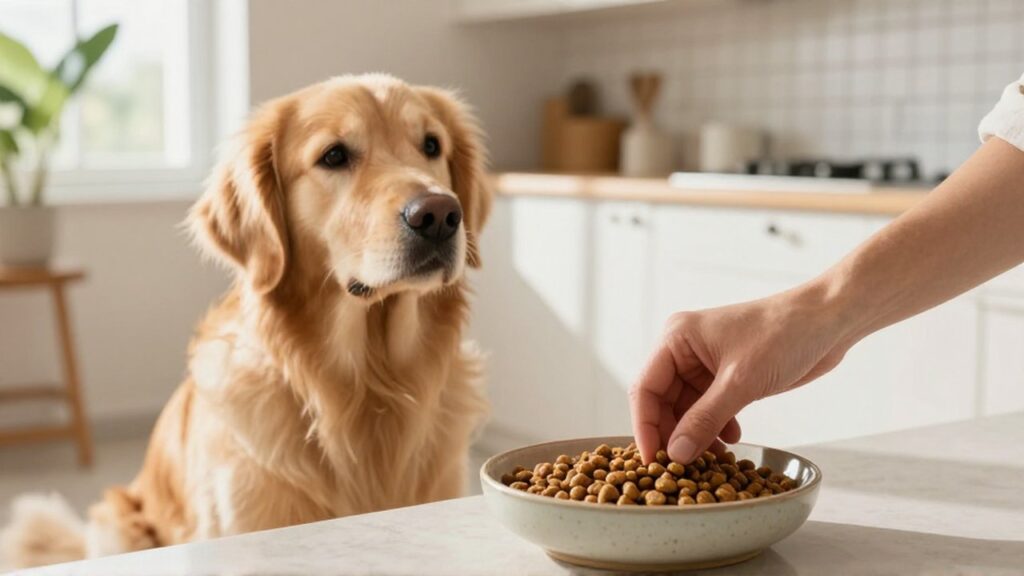
Changing your pet's food is a common necessity, whether you are switching to a higher-quality brand, managing a specific health condition, or responding to a change in availability. However, a sudden shift in nutrition can wreak havoc on a pet's digestive system. A gradual pet food transition is essential to allow the gut microbiome and digestive enzymes to adjust to the new nutrient profiles, textures, and ingredient compositions of the new food.
Performing this process correctly prevents common gastrointestinal issues such as diarrhea, vomiting, or loss of appetite. By following a structured approach, you ensure that your pet receives the nutritional benefits of the new diet without the physical stress of an abrupt change. This guide provides the necessary steps to manage this shift safely and effectively, including how to change dog food safely and how to switch cat food without upset stomach.
Importance of a gradual dietary transition
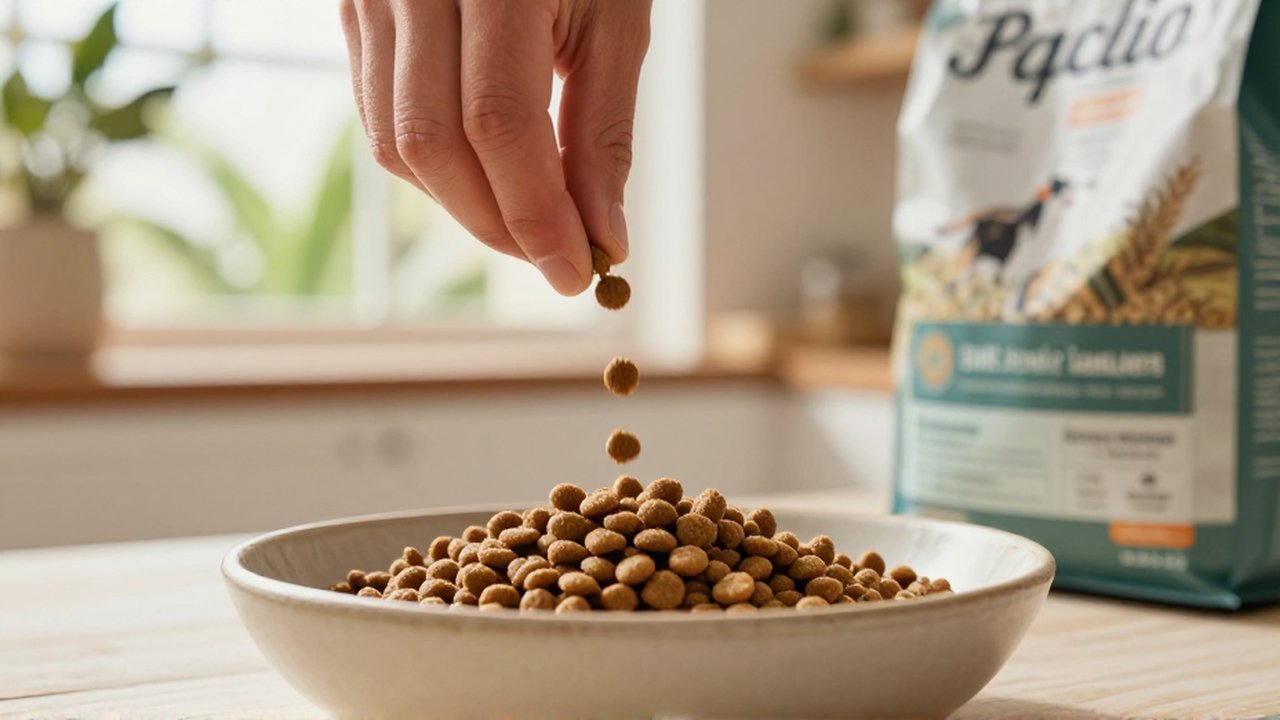
The digestive tract of dogs and cats relies on a delicate balance of bacteria and enzymes to process food. When you introduce a new commercial diet overnight, you are essentially introducing a completely different set of proteins, fats, and carbohydrates. This sudden change can overwhelm their system, leading to significant discomfort, which is why mixing old and new pet food over several days is far gentler on the gut.
A slow transition allows the digestive tract to adapt to the new caloric density and ingredient sources. It also provides a window of observation; if your pet reacts poorly to a specific ingredient in the new formula, you will be able to identify it more easily if the change was implemented incrementally rather than all at once.
Step by step method for changing food
The most reliable way to transition food is the "mixing method." This involves gradually increasing the proportion of the new food while decreasing the amount of the old food over a period of roughly seven to ten days, following a clear pet food transition schedule that suits your animal's tolerance.
The following schedule is a general guideline for a safe transition:
| Days | Percentage of Old Food | Percentage of New Food |
|---|---|---|
| Days 1–2 | 75% | 25% |
| Days 3–4 | 50% | 50% |
| Days 5–6 | 25% | 75% |
| Day 7 onwards | 0% | 100% |
During this period, it is vital to maintain consistent feeding times. Even though the ingredients are changing, keeping the routine stable helps reduce overall stress on the animal's system and shortens the overall pet food transition time needed for the digestive tract to adapt.
Monitoring signs of digestive upset
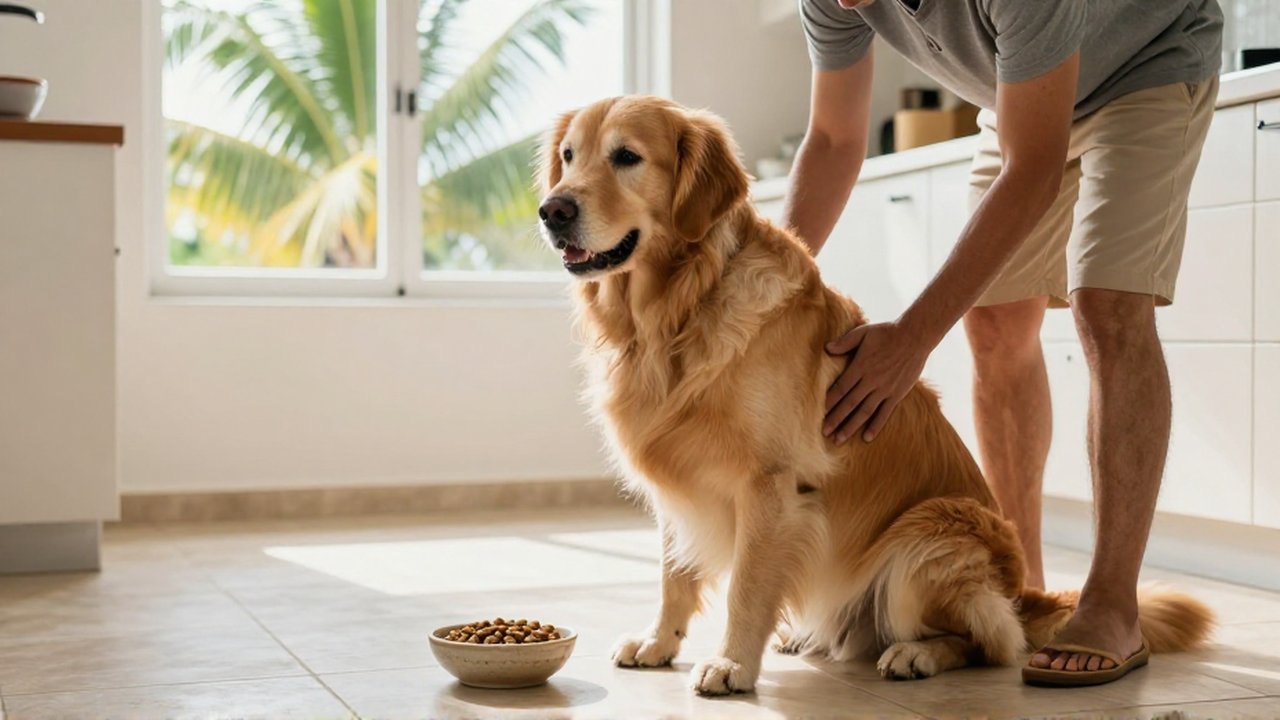
While the goal of a gradual transition is to avoid issues, it is not a guarantee that no reaction will occur. Owners must remain vigilant during the entire process. Look for physical and behavioral changes that indicate the new diet may not be sitting well with your pet, and be ready to recognize the signs of food intolerance in dogs and cats early.
Common signs of intolerance include:
- Changes in stool consistency: Soft stools or diarrhea are the most frequent indicators of a dietary mismatch; pet diarrhea after changing food is the most common reason owners pause a switch.
- Vomiting: Frequent or forceful vomiting suggests the new food is too rich or contains an irritant.
- Loss of appetite: If a pet refuses the mixture, they may be experiencing nausea or discomfort.
- Excessive gas or bloating: This often points to a struggle with the new fiber or carbohydrate levels.
If you notice these symptoms, pause the transition and return to the previous ratio of the old food until the symptoms subside. If symptoms persist or your pet experiences vomiting after switching dog food, consult a veterinarian promptly.
Common mistakes to avoid during the switch
One of the most frequent errors is rushing the process. Many owners, eager to see the benefits of a premium diet, attempt to complete the switch in two or three days. This speed significantly increases the risk of gastrointestinal distress, making it one of the most common mistakes when changing dog food.
Another mistake is switching between two very different types of food too quickly, such as moving from a high-protein wet food to a high-fiber dry kibble. The difference in moisture content and texture adds another layer of complexity to the transition, so transitioning from wet to dry food deserves extra patience. Finally, do not forget to monitor the total caloric intake; as the volume of food changes, ensure your pet is not being overfed or underfed during the transition weeks.
Frequently asked questions
How long should a food transition take? A typical transition takes between seven and ten days. However, pets with sensitive stomachs or older animals may require a more extended period, such as two weeks, to ensure their system stabilizes; if your pet lost appetite during food change, extending the schedule often helps.
What should I do if my pet develops diarrhea during the transition? If your pet has mild loose stools, revert to the last successful ratio of old food and wait for their digestion to normalize. If the diarrhea is severe, accompanied by lethargy or vomiting, contact a veterinarian immediately.
Can I switch from one brand to another of the same type of food? Yes, you can, but you should still follow the gradual mixing method when switching dog food brands or cat formulas. Even if both foods are kibble, the ingredient sources and fat levels will differ, which can still cause digestive upset if changed too quickly.
Is it necessary to consult a vet before changing diets? If you are changing food for general reasons, a gradual transition is usually sufficient. However, if you are switching diets to treat a medical condition, such as allergies or kidney issues, you should always follow the specific protocol provided by your veterinarian.
Leave a Reply