
Common mistakes to avoid when rehoming an animal
Introduction
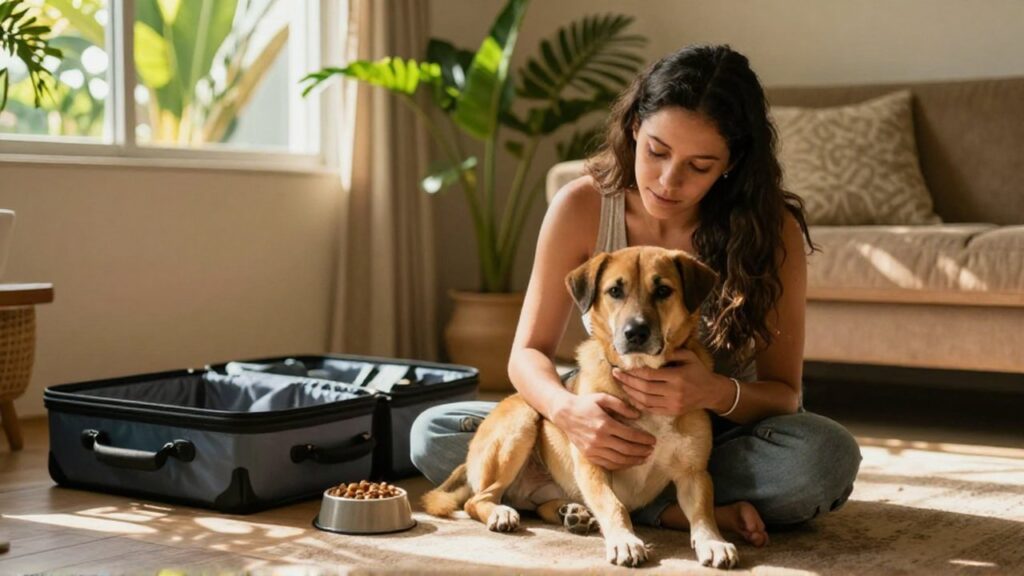
Rehoming an animal is a deeply emotional and complex process that occurs when an owner can no longer provide the necessary care, environment, or resources for their pet. Whether due to moving, changes in lifestyle, or financial constraints, the primary goal of responsible pet rehoming must be to ensure the animal’s long-term safety and well-being. It is a decision that requires careful planning to prevent the pet from ending up in high-stress environments or dangerous situations.
Doing this incorrectly can lead to severe consequences for the animal, including trauma, health issues, or even abandonment. Conversely, a responsible rehoming process prioritizes finding a permanent, loving, and compatible home. By understanding the common pitfalls and following a structured approach, owners can significantly increase the chances of a successful transition for their companion.
Rushing the decision-making process
One of the most significant mistakes is making a permanent decision based on temporary circumstances. Life changes, such as a temporary loss of income or a short-term relocation, can often be managed with professional assistance or temporary boarding. Rushing into rehoming without exploring all alternatives can lead to "rehoming regret" and unnecessary disruption to the animal's life, so it is worth weighing every option before surrendering a pet.
Owners should take time to assess whether the problem is solvable through training, different feeding schedules, or lifestyle adjustments. If the decision is indeed permanent, it should be made with a calm, logical mindset rather than during a moment of high stress or emotional exhaustion.
Finding new owners through unverified channels

Giving an animal away to the first person who expresses interest is a dangerous practice. Many people attempt to rehome pets through social media posts or public marketplaces without performing any background checks. This opens the door to unethical individuals who may seek free animals for dangerous purposes, such as illegal fighting or resale, which is why a thorough vetting of new pet owners is essential.
To avoid this, it is essential to vet potential adopters thoroughly. A responsible rehoming process includes a practical pet rehoming checklist covering the following points:
- Asking for references or vet records from previous pets.
- Inquiring about the specific living situation (fenced yard, apartment rules, etc.).
- Discussing the expected long-term commitment and care.
- Conducting a home visit if possible.
Failing to provide a detailed history
An animal is more than just its physical appearance; it carries a unique behavioral and medical history. A common error is providing the new owner with a "sanitized" version of the pet—omitting information about anxiety, aggression, dietary restrictions, or medical conditions to make the pet more "adoptable." This is one of the most damaging rehoming mistakes to avoid, as it sets both parties up for failure.
This lack of transparency is unfair to both the new owner and the animal. When a new owner is blindsided by an unexpected behavioral issue or a hidden health requirement, the animal is often returned or surrendered to a shelter, creating a cycle of instability. Always provide a comprehensive document detailing the pet's full history, including a proper pet medical history transfer:
- Medical History: Vaccination dates, past illnesses, and current medications.
- Dietary Needs: Brand of food, feeding frequency, and allergies.
- Behavioral Traits: Reactions to other animals, children, loud noises, or specific triggers.
- Training Status: Commands known and areas where the pet needs guidance.
Neglecting the emotional transition period
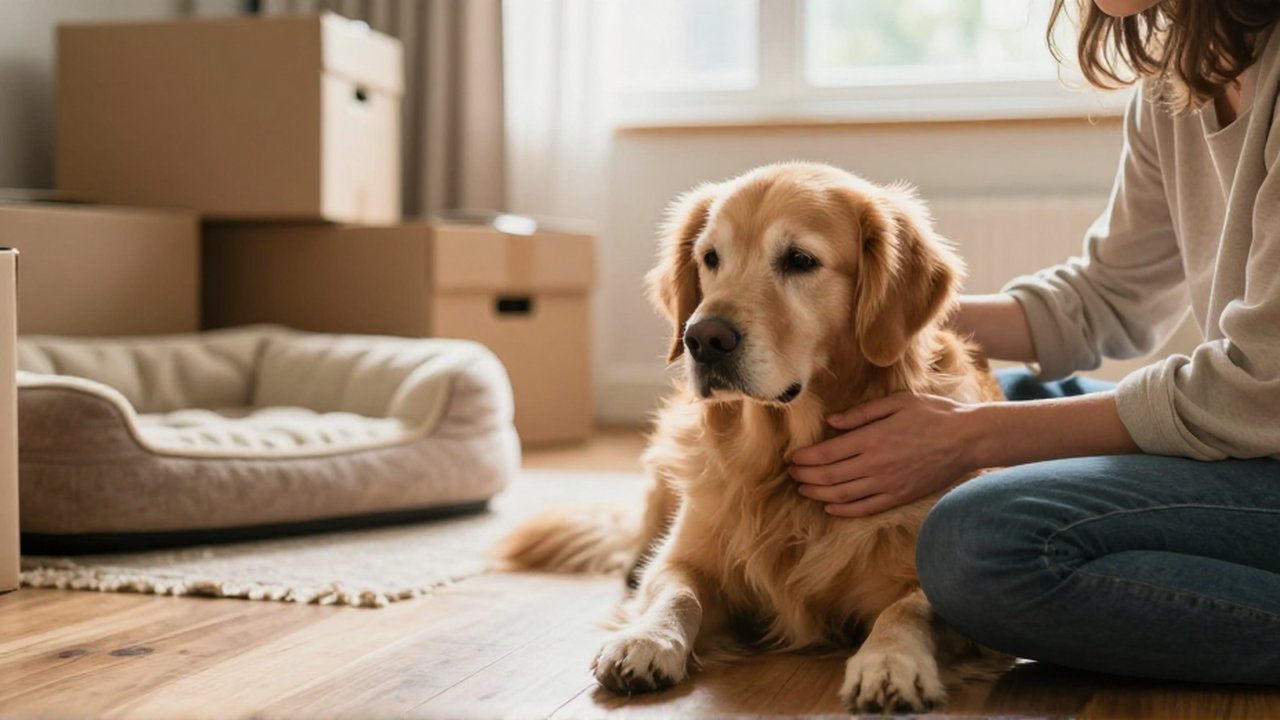
Rehoming is not just a physical transfer; it is a psychological shift for the animal. A mistake many owners make is dropping the pet off at a new location and never returning, or failing to prepare the pet for its new home. Animals rely heavily on routine and familiarity to feel secure, so a structured pet transition period is critical to their well-being.
To mitigate the impact of this transition, owners should gradually introduce the idea of change. Providing the new owner with familiar items, such as an unwashed bed or a favorite toy that still carries the pet's scent, can provide a sense of continuity. It is also helpful to allow the new owner a "transition period" where they can ask questions as the animal settles into its new environment, and to share the questions to ask new pet owner before finalizing the handover.
Relying solely on crowded shelters
While animal shelters are vital resource centers, they are often highly stressed environments. Many owners believe that dropping an animal off at a municipal shelter is the fastest way to ensure it is cared for, but these facilities are frequently overcapacity. In such environments, an animal's stress levels can spike, leading to behavioral regression and contributing to shelter overcrowding risks that affect every animal housed there.
Whenever possible, owners should look for breed-specific rescues or private rehoming organizations. These groups often have more resources to vet adopters and provide a more controlled, low-stress environment for the animal during the transition. If a shelter is the only option, research their specific rehoming protocols and prepare to provide all necessary documentation to assist them.
Frequently asked questions
Should I charge a rehoming fee? Yes, asking for a modest rehoming fee for pets is a common practice to discourage people who may be looking for free animals for unethical reasons. You can also suggest that the fee be donated to a local animal charity, which helps ensure the new owner is genuinely committed to the adoption.
How much time does a successful rehoming take? There is no fixed timeline, but a responsible process usually takes several weeks. This allows time for vetting candidates, preparing medical records, and ensuring the new environment is ready.
Can I rehome a pet if I am moving to a place that doesn't allow animals? Yes, rehoming due to moving is a valid reason for finding a new home for a pet. However, you should still prioritize finding a stable, permanent home rather than simply surrendering the pet to the nearest facility in a hurry.
What should I do if the new owner asks to return the pet? If you have facilitated a responsible rehoming, you may want to have a preliminary agreement that you will be the first point of contact if the adoption does not work out. This ensures the pet doesn't end up in a shelter immediately.
Leave a Reply