
Common endemic plants of the Dominican Republic ecosystems

Introduction
The Dominican Republic is a biological powerhouse, boasting a diverse array of ecosystems ranging from coastal mangroves to high-altitude cloud forests. Within these unique environments, endemic plants—species found nowhere else on Earth—play a vital role in maintaining ecological balance. Understanding the flora endémica dominicana is essential for anyone interested in the island's natural heritage, as these species provide the foundation for local food webs, influence soil stability, and offer unique aesthetic and scientific value.
Studying endemic flora allows us to appreciate the intricate connection between climate, geography, and evolution. Because many of these species have highly specific habitat requirements, they serve as primary indicators of ecosystem health. Whether you are a nature enthusiast, a conservationist, or someone looking to understand the local landscape, recognizing these plants helps foster a deeper respect for the delicate biological fabric of the Caribbean and the endemism found across the island of La Española.
Importance of endemic flora in local ecosystems
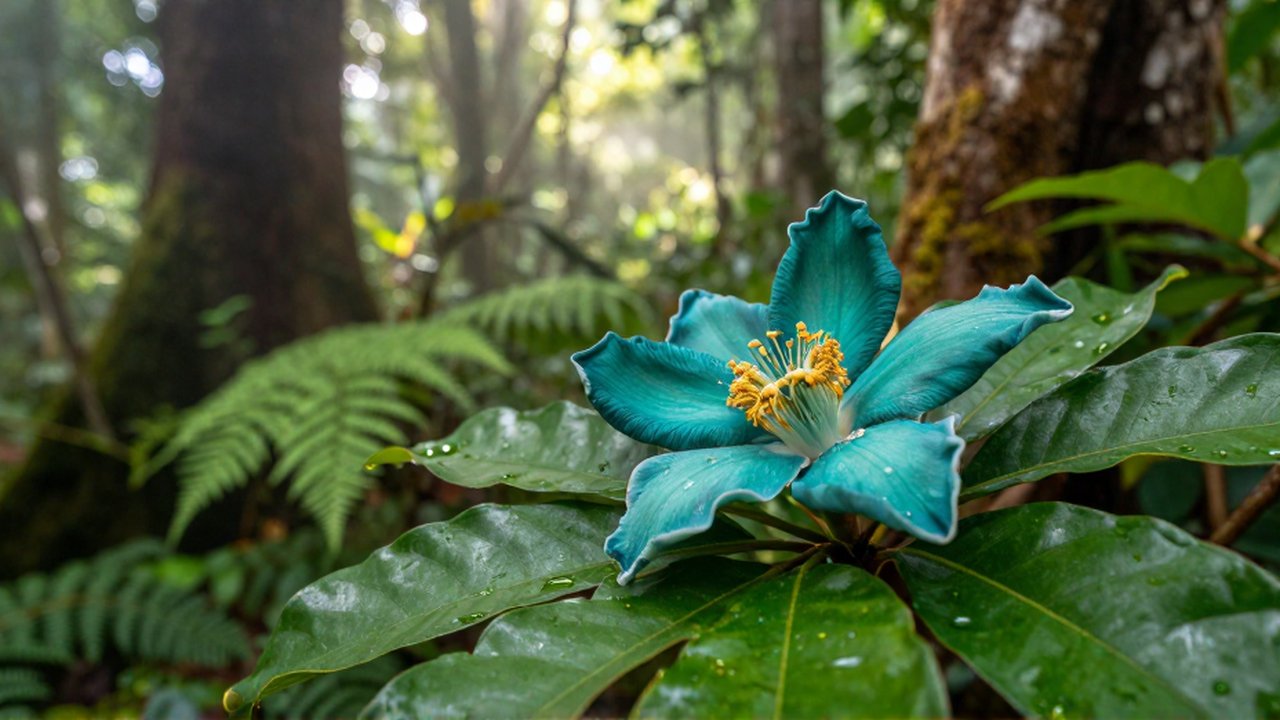
Endemic plants are much more than just beautiful scenery; they are the architects of their respective environments. In the Dominican Republic, these species have evolved over millennia to thrive under specific conditions, such as the moisture of the Cordillera Central cloud forests or the arid stretches of the dry forests. They provide specialized niches for local pollinators, such as endemic hummingbirds and butterflies, creating a symbiotic relationship that ensures the survival of both plant and animal life.
Furthermore, endemic vegetation plays a crucial role in water regulation and soil protection. In mountainous regions, specific plant species prevent erosion and help regulate the water cycle by capturing moisture from the clouds. The loss of even a single endemic species can trigger a domino effect, potentially leading to the decline of various insect, bird, and mammal populations that depend on them for food or shelter, which is why these plants are reliable indicators of ecosystem health.
Characteristics of key endemic plant species
While the island hosts thousands of species, certain plants stand out due to their widespread presence or their symbolic importance within specific habitats. These species are often categorized by the microclimates they inhabit.
Cloud Forest Endemics In the high-altitude regions of the Cordillera Central, plants must adapt to constant humidity and lower temperatures. Many endemic species here are epiphytes—plants that grow on other plants—or specialized high-mountain ferns and orchids. These species are characterized by their ability to absorb moisture directly from the air, playing a significant role in the "cloud stripping" process that feeds local rivers.
Dry Forest and Coastal Endemics In the more arid regions, plants have developed succulent leaves or deep root systems to survive long periods without rain. Some endemic shrubs and trees in these areas are adapted to withstand saline soil near the coast. Their ability to conserve water and thrive in nutrient-poor soil makes them essential for stabilizing coastal dunes and preventing desertification, a key function of the dry coastal forest plant communities.
Examples of notable endemic vegetation
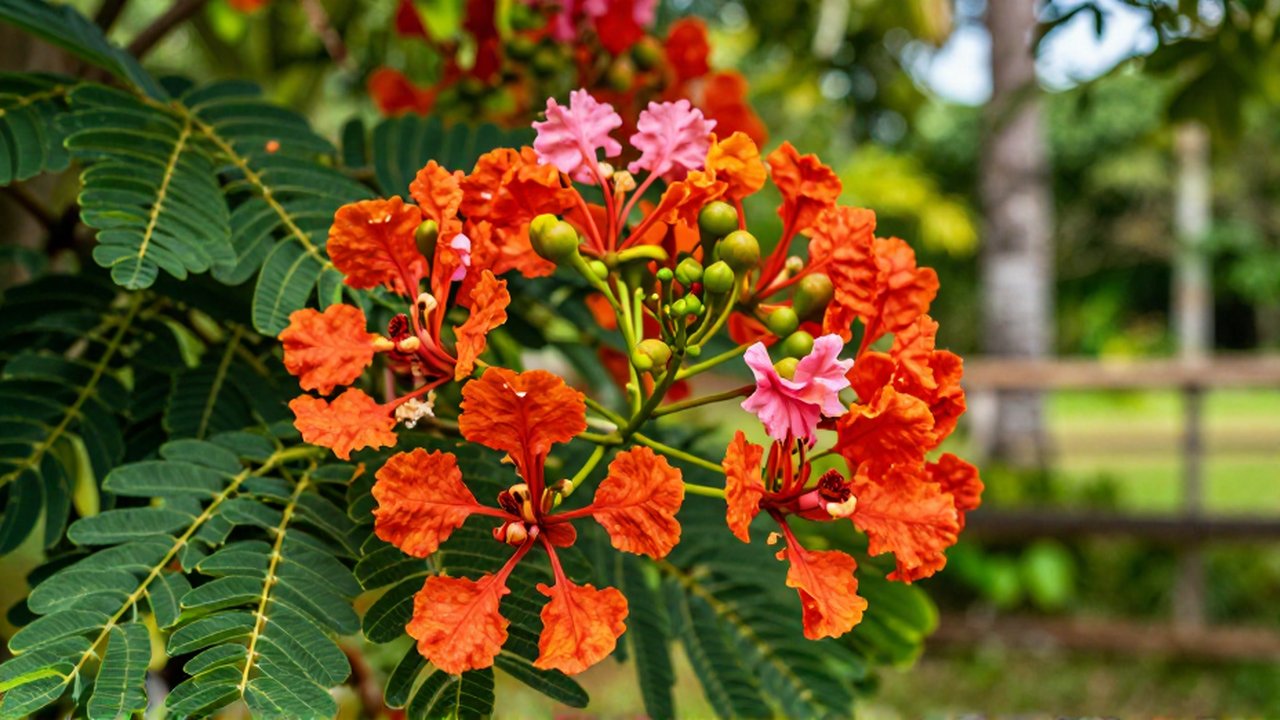
To better identify the flora observed during nature treks or botanical studies, it is helpful to categorize them by their growing habits and visual traits, keeping in mind the native Caribbean species that dominate each habitat.
| Plant Type | Habitat | Ecological Role |
|---|---|---|
| Orchids | Cloud forests and humid valleys | Provide nectar for specialist pollinators |
| Ferns | High-altitude moisture zones | Contribute to soil organic matter and moisture retention |
| Shrubs | Dry forests and scrublands | Provide cover for small reptiles and birds |
| Trees | Various forest types | Serve as primary carbon sinks and structural anchors |
Recognizing these groups is the first step in appreciating the biodiversity of the island. While many species remain unnamed or are known only to scientific communities, the visible presence of unique flowering structures and leaf patterns often signals the presence of high endemicity. This is especially true in the cloud forests of the Cordillera Central, where endemic orchids and ferns reach their greatest diversity.
Conservation challenges for native species
Despite their importance, endemic plants face numerous threats that jeopardize their long-term survival. Habitat fragmentation is one of the most significant risks, as urban development, agriculture, and infrastructure projects break up once-continuous forests into isolated patches. This isolation limits the ability of plants to cross-pollinate and maintain genetic diversity, weakening the resilience of the island's native flora.
Invasive species also pose a severe threat. Non-native plants can outcompete endemic species for sunlight, nutrients, and water, eventually dominating the landscape and altering the soil chemistry. Additionally, climate change is shifting the temperature and rainfall patterns that these specialized species rely on, forcing them into higher altitudes where space may be limited. Protecting these plants requires a holistic approach that includes preserving entire habitats rather than protecting species in isolation, a priority for the conservation of native flora across the Caribbean.
Frequently asked questions
What makes a plant considered endemic? A plant is endemic when it is naturally found only in one specific geographic location, such as a particular island or mountain range, and is not found naturally anywhere else in the world.
Can I plant endemic species in my garden? Many endemic species can be used in landscaping, which helps support local pollinators. However, it is important to ensure you have the correct environmental conditions (light, humidity, soil) and to source them from ethical, legal nurseries to avoid impacting wild populations. Gardening with native species is one of the most effective ways to reinforce local biodiversity.
Why are endemic plants so sensitive to environmental changes? Because they have evolved to thrive in very specific, stable conditions over long periods, they often lack the genetic flexibility to adapt quickly to rapid changes in temperature, rainfall, or the arrival of invasive competitors.
How can I help protect local endemic flora? Supporting conservation organizations, avoiding the introduction of invasive plants in your area, and practicing responsible tourism—such as staying on designated trails—are effective ways to reduce your impact on these sensitive ecosystems and safeguard the biodiversity of the island's plant life.
Leave a Reply