Best practices for ethical whale watching in Samaná
Introduction
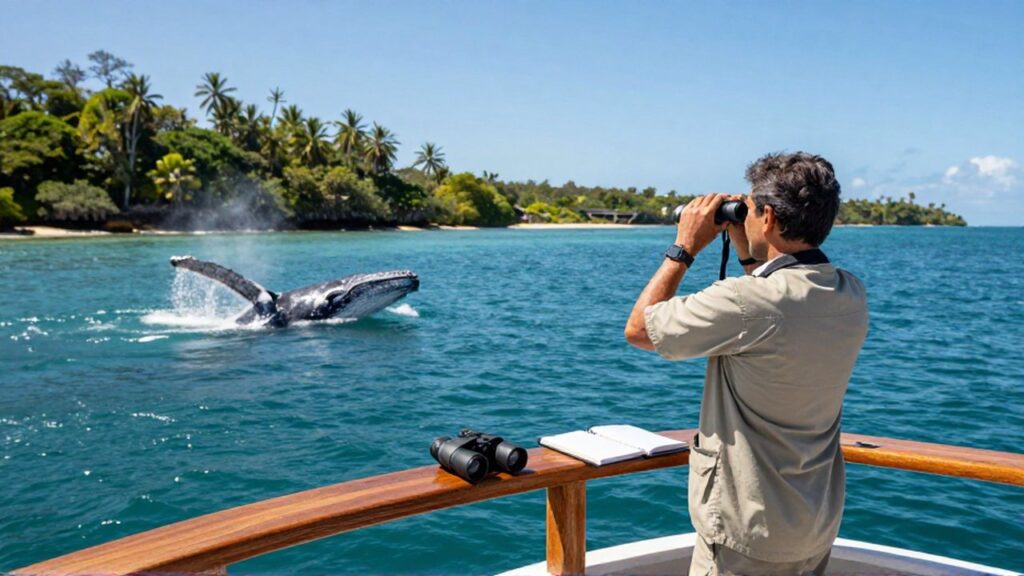
Samaná Bay, located on the northeastern coast of the Dominican Republic, serves as one of the most significant breeding and calving grounds for humpback whales in the Atlantic Ocean. Every year, during the winter months, these majestic marine mammals migrate to these warm tropical waters to reproduce and raise their young. Whale watching in Samaná Bay offers a profound connection to nature, providing travelers with a rare opportunity to witness one of the planet's most impressive biological events.
Engaging in ethical whale watching is essential to ensure that this spectacular natural phenomenon can continue for generations. While the desire to get a close view of a whale is understandable, improper behavior can cause significant stress to the animals, disrupt their feeding or nursing patterns, and potentially impact their reproductive success. Adhering to established best practices—including respecting the boat approach distance and minimizing acoustic disturbance—allows tourists to enjoy the experience without compromising the well-being of the marine life that makes Samaná so special.
Importance of respecting distance and behavior

The primary principle of ethical whale watching is maintaining a respectful distance from the whales. Humpback whales are highly intelligent and sensitive creatures; sudden movements or close proximity from boats can trigger a stress response. When a whale feels threatened, it may cease vital activities such as nursing its calf or resting, redirecting its energy toward fleeing the vessel. Dominican Republic regulations set a minimum boat approach distance for vessels, and responsible operators treat that limit as a floor rather than a target.
Observers should always prioritize the animal's comfort over the "perfect photo." If a whale begins to dive repeatedly, changes its swimming pattern abruptly, or shows signs of agitation, it is a clear signal that the vessel is too close. Ethical operators will always yield to the whales, giving them a wide berth and ensuring that the boat does not cross the whale's path or attempt to "corral" the animal into an area for better viewing.
Choosing responsible tour operators
Not all whale watching excursions are created equal. The quality of your experience and the impact on the local ecosystem depend heavily on the company you choose. Selecting a responsible whale watching operator is the most impactful decision a tourist can make, as it directly shapes both your safety and the welfare of the humpback whale migration in Samaná.
To identify a reliable and ethical provider, look for the following criteria:
- Compliance with local regulations: Reputable companies strictly follow the guidelines set by the Dominican Republic's environmental authorities regarding vessel approach and speed, including the whale watching regulations in force for Samaná Bay.
- Educational approach: Good operators do not just provide a boat ride; they provide context. Look for guides who explain whale biology, migration patterns, and conservation efforts.
- Small group sizes: Operators that limit the number of passengers per boat generally cause less noise and disruption to the marine environment.
- Environmental commitment: Choose companies that demonstrate a visible commitment to ocean cleanliness and wildlife protection.
Impact of noise and vessel movement

Sound travels much further and faster underwater than it does through the air. Since whales rely heavily on acoustic communication for navigating, finding mates, and interacting with their calves, the noise produced by boat engines can be highly intrusive. High-speed maneuvering near whales creates significant acoustic disturbance that can disorient them and interfere with the vocal exchanges between a mother and her calf.
Ethical watching involves approaching whales slowly and quietly. Once a whale is spotted, the boat should ideally remain stationary or move at a very low speed at a consistent distance. Avoiding sudden changes in engine pitch or rapid acceleration helps minimize the acoustic footprint of the tour, allowing the whales to continue their natural behaviors with minimal interference. This is especially important around mother-calf whale pairs, which are more sensitive to vessel noise and require the widest clearance.
Common mistakes to avoid during excursions
Even well-intentioned visitors can inadvertently harm the whales through common mistakes. Being aware of these errors can help ensure your presence in the bay remains as non-invasive as possible, so you can enjoy your Samaná whale watching tour without contributing to the negative impact of tourism on the animals.
| Mistake | Why it is harmful | Better Alternative |
|---|---|---|
| Chasing the whale | Causes stress and avoids natural behavior | Wait for the whale to approach or observe from a safe distance |
| Using flash photography | Can startle or disorient the animal | Use natural light or high-sensitivity settings |
| Feeding or throwing items | Disrupts natural diet and creates dependency | Keep all food and waste strictly inside the vessel |
| Encroaching on calves | Increases risk of mother reacting defensively | Maintain wide clearance around mother-calf pairs |
Frequently asked questions
When is the best time to see whales in Samaná? The whale watching season in Samaná typically runs from mid-January through late March, as the animals migrate to the warm waters of the Caribbean to breed and give birth.
Is it okay to swim near whales? In most regulated areas, swimming with whales is strictly prohibited to protect both the humans and the animals. Always follow the specific rules provided by your tour operator and local authorities, and never attempt to enter the water near a whale.
What should I do if a whale approaches my boat? If a whale approaches the vessel, stay calm and avoid making sudden movements or loud noises. Allow the whale to dictate the interaction; if it moves away, do not follow it closely.
How does tourism affect the local whale population? When conducted ethically, tourism provides economic incentives for local communities to protect the marine environment. However, unregulated tourism can increase noise pollution and physical disturbance, which is why following best practices and choosing responsible operators is vital to the long-term health of the humpback whales that return to Samaná each season.
Leave a Reply