
Threats to amphibian biodiversity in the Caribbean

Introduction
Amphibians, including frogs, toads, and salamanders, serve as vital indicators of environmental health due to their permeable skin and complex life cycles. In the Caribbean, these species play a critical role in controlling insect populations and maintaining the balance of local ecosystems. However, the region's unique amphibian biodiversity is currently facing unprecedented pressure from various stressors that threaten to diminish species richness and disrupt ecological stability.
Understanding these threats is essential for conservation efforts and for grasping the broader health of tropical environments. As climate patterns shift and human intervention increases, the survival of Caribbean amphibians depends on identifying the root causes of their decline. This article explores the primary factors contributing to biodiversity loss in these sensitive creatures and the implications for the Caribbean's natural heritage, with particular attention to the endemic species that exist nowhere else on Earth.
Impact of habitat loss and fragmentation
The most immediate threat to Caribbean amphibians is the alteration of their natural environments. As human populations expand, land is cleared for agriculture, tourism infrastructure, and residential development. This process does not just reduce the amount of available space; it creates fragmented landscapes where small populations of amphibians become isolated from one another, a phenomenon known as habitat fragmentation.
Fragmentation prevents species from migrating to find mates or better feeding grounds, which can lead to reduced genetic diversity. When a forest is broken into small "islands" of vegetation, the edges of these habitats are more exposed to light, wind, and drying processes. Since amphibians rely on high humidity and stable temperatures to survive, these changed microclimates can become uninhabitable, effectively shrinking their usable territory far beyond the actual footprint of the development. This loss of amphibian habitat is especially acute on small Caribbean islands, where a single cleared watershed can eliminate the only breeding population of a local species.
Influence of invasive species and pathogens

Biological threats often arrive in new territories through human activity, introducing competitors and diseases that native populations are unprepared to face. Invasive amphibian species, as well as certain non-native fish or larger predatory reptiles, can decimate local amphibian populations by preying on eggs, larvae, or adults and by competing for the same limited resources.
Furthermore, the spread of infectious diseases is a catastrophic factor for amphibian biodiversity globally, and the Caribbean is not immune. Pathogens that affect the skin and immune systems of amphibians can cause rapid population crashes. Because many Caribbean species are endemic—meaning they are found nowhere else on Earth—the introduction of a single disease or a highly competitive invasive species can lead to total extinction within a specific island ecosystem, permanently erasing part of the region's amphibian biodiversity.
Effects of climate change and weather volatility
Amphibians are uniquely sensitive to changes in moisture and temperature, making climate change and tropical amphibian populations especially vulnerable to shifting weather patterns. Climate change alters the delicate balance of the Caribbean's tropical weather patterns, leading to more frequent and intense droughts or unpredictable rainfall.
Changes in these cycles can disrupt critical life stages. For example:
- Desiccation risk: Prolonged dry spells can dry up the small pools and leaf litter areas needed for breeding and hydration.
- Temperature shifts: Subtle increases in average temperature can exceed the thermal tolerance of certain species, affecting their metabolic rates and reproductive success.
- Cyclonic activity: While storms are natural, an increase in the intensity of hurricanes can cause massive physical destruction of habitats and sudden shifts in water chemistry, and the impact of hurricanes on amphibians can be felt for years after the storm passes.
Human activity and chemical pollution
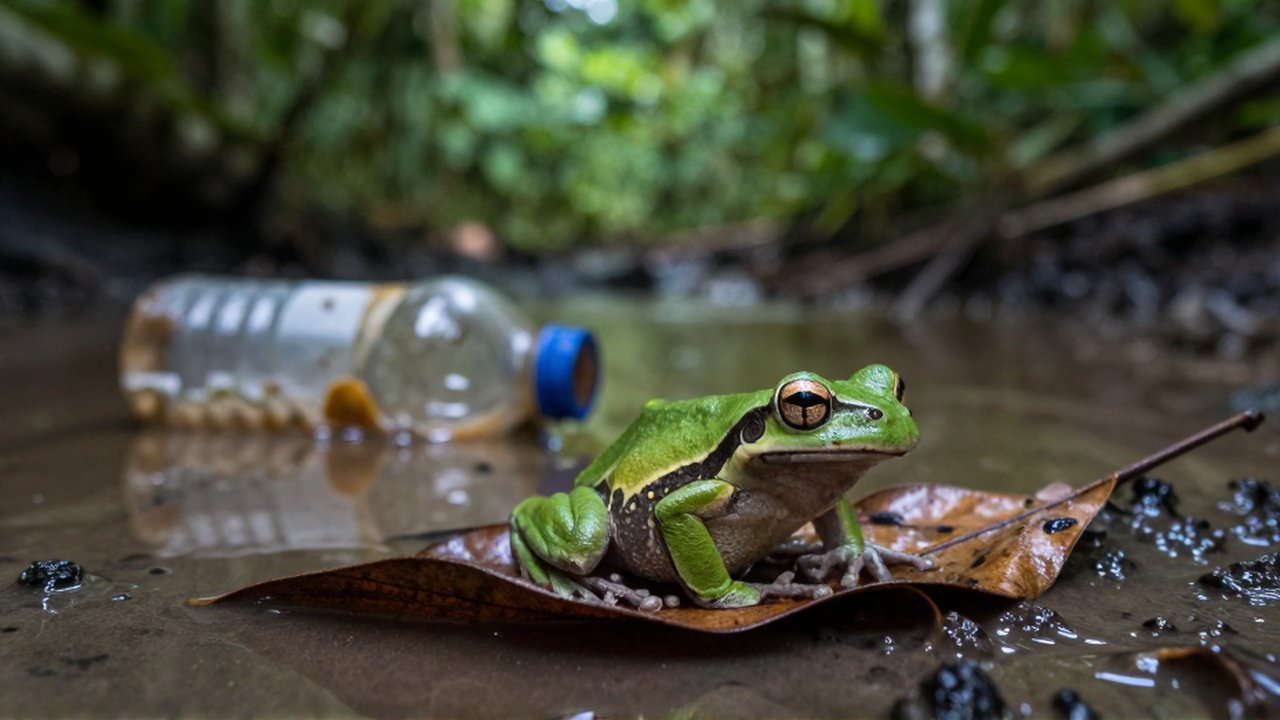
Beyond physical land use, the chemical makeup of the environment plays a decisive role in amphibian survival. The use of pesticides, herbicides, and fertilizers in nearby agricultural areas often results in runoff that enters the freshwater systems where amphibians breed, exposing them to chemical pollution in amphibians' most vulnerable life stages.
Because amphibians breathe and absorb water through their skin, they are highly susceptible to toxins. Even low concentrations of chemical pollutants can cause developmental abnormalities, impair reproductive functions, or cause direct mortality. Additionally, water pollution from improper waste management or urban runoff contributes to a decline in water quality, making once-thriving breeding sites unusable for the next generation. The effects of pesticides on amphibians are particularly concerning in agricultural regions of the Caribbean, where runoff can travel long distances through river systems.
Summary of primary threats
| Threat Category | Primary Driver | Main Impact on Amphibians |
|---|---|---|
| Habitat Alteration | Urbanization and Agriculture | Loss of breeding sites and genetic isolation. |
| Biological Stress | Invasive species and Pathogens | Predation and rapid population decline due to disease. |
| Climatic Shifts | Global Warming | Loss of humidity and disruption of life cycles. |
| Chemical Stress | Pollution and Pesticides | Physiological damage and reproductive failure. |
Frequently Asked Questions
Why are amphibians more sensitive to environmental changes than other animals? Their permeable skin allows them to absorb water and oxygen directly from their surroundings, which also means they absorb toxins and experience rapid changes in hydration or temperature more quickly than animals with protective scales or fur. This environmental sensitivity of amphibians makes them reliable early-warning indicators of ecosystem health.
Does habitat fragmentation only affect large animals? No, it is particularly devastating for amphibians. Small, isolated populations lack the ability to move between fragmented patches of forest, which leads to inbreeding and makes them more vulnerable to local extinction.
How does pollution affect amphibian reproduction? Pollutants in water sources can interfere with the development of eggs and tadpoles, often leading to physical deformities or an inability to reach adulthood, thereby breaking the reproductive cycle.
Can local conservation efforts actually help? Yes, protecting natural corridors, managing invasive species, and reducing chemical runoff are effective ways to mitigate these threats and provide amphibians with the stable environments they need to thrive. Conservation of Caribbean amphibians depends on coordinated action across islands, since many species have extremely limited ranges and cannot relocate on their own.
Leave a Reply