
How to fertilize tropical plants in humid environments
Introduction
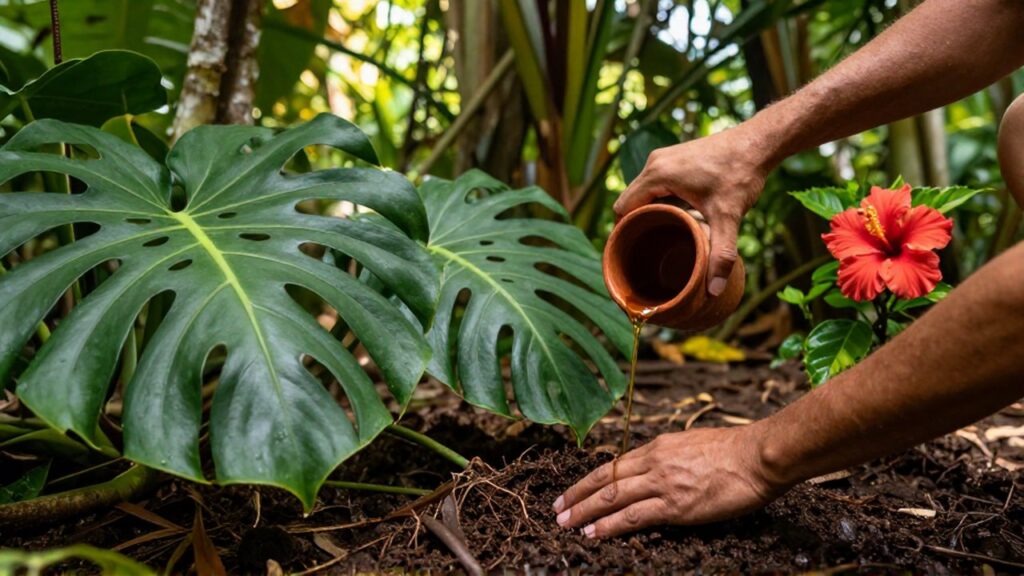
Fertilizing tropical plants in humid environments is a specialized task that requires understanding the interplay between high moisture levels and nutrient availability. In tropical climates, the rapid growth cycles of plants often demand a consistent supply of essential minerals to sustain lush foliage and vibrant blooms. Proper fertilization ensures that these plants have the energy to thrive despite the intense competition for resources and the biological pressures common in high-humidity zones.
Mastering this process allows gardeners to prevent nutrient deficiencies and promote structural strength in their botanical collections. Knowing when to apply nutrients, which formulas to select, and how to manage the soil chemistry is vital for maintaining a healthy indoor or outdoor tropical garden. Without a strategic approach, the combination of heavy rainfall and heat can lead to nutrient leaching or fungal issues, undermining the health of your plants.
Challenges of high humidity for nutrient management
High humidity and frequent moisture significantly alter how plants interact with their growing medium. One of the primary challenges is nutrient leaching, where heavy rainfall or frequent watering washes essential minerals out of the soil before the roots can absorb them. This often leads to a depletion of nitrogen, which is critical for leaf development, and is especially pronounced in tropical soil that drains quickly between downpours.
Furthermore, high moisture levels can promote the growth of anaerobic bacteria and fungi in the soil. If a fertilizer is applied too heavily or if the soil stays perpetually saturated, it can create a breeding ground for root rot. The humidity also affects the rate of evaporation; because water stays in the pot or ground longer, the concentration of salts from synthetic fertilizers can build up to toxic levels more easily than in drier climates, a condition known as fertilizer salt buildup in pots.
Choosing the right fertilizer types

Selecting the appropriate fertilizer depends on whether you are growing plants in containers or directly in the ground. In humid tropical regions, different delivery methods offer varying benefits for your tropical plant nutrient management:
- Slow-release granules: These are excellent for long-term stability. They release nutrients gradually over several months, which helps mitigate the effects of leaching caused by heavy rains, making slow-release fertilizer a reliable choice for tropical plants in humid climates.
- Liquid fertilizers: These provide an immediate nutrient boost. They are ideal for "top-dressing" plants that show signs of deficiency, but they must be used cautiously to avoid salt buildup; a diluted liquid fertilizer applied every two to three weeks suits most indoor tropical plants.
- Organic matter: Compost, worm castings, and aged manure improve soil structure. In humid environments, organic matter helps with aeration, which is essential to prevent soil compaction and waterlogging, and it acts as an effective organic fertilizer for humid climates by feeding soil microbes.
| Fertilizer Type | Primary Benefit | Best Use Case |
|---|---|---|
| Slow-Release | Consistent nutrient supply | Outdoor tropical gardens and large pots |
| Liquid/Water-Soluble | Rapid absorption | Indoor plants or correcting deficiencies |
| Organic Amendments | Improved soil health | Long-term soil conditioning |
Optimal timing for fertilization
Timing is just as important as the substance itself. In tropical environments, the natural growth cycles are often driven by the transition between wet and dry seasons.
During the growing season, characterized by increased light and warmth, plants require more frequent fertilization to support new leaves and flowers. This is the time to use nitrogen-rich fertilizer for tropical plants to encourage lush greenery. Conversely, during periods of excessive rainfall or extreme seasonal shifts where growth slows down, you should reduce fertilizer frequency. Applying heavy nutrients when a plant is dormant or stressed by weather fluctuations can lead to salt burn and weakened root systems.
Application steps for success

To ensure your tropical plants receive nutrients safely and effectively, follow a structured application process:
- Assess soil moisture: Never fertilize a plant that is bone-dry or excessively waterlogged. Ideally, the soil should be slightly moist to help distribute the nutrients, so check the top inch of the growing medium before beginning your fertilizer application steps.
- Clear the surface: Remove any decaying leaves or debris from the top of the soil to ensure the fertilizer makes direct contact with the growing medium.
- Apply the product: Distribute granules or liquid around the "drip line" (the area directly under the outer circumference of the leaves) rather than right against the main stem to avoid chemical burns and prevent fertilizer burn on tropical plants.
- Water thoroughly: After applying granular fertilizer, water the plant well. This initiates the release of nutrients and moves them toward the root zone.
- Monitor regularly: Observe the leaves for signs of "burning" (brown edges) or deficiency (yellowing) in the days following application.
Common mistakes to avoid
A frequent error in humid environments is over-fertilization. Because plants grow so quickly in the tropics, it is tempting to feed them constantly. However, an excess of nitrogen can lead to soft, weak growth that is highly susceptible to pests and fungal diseases, so learn to recognize the early over-fertilization signs before they become irreversible.
Another mistake is using fertilizers with high salt indices in containers. In humid settings, if you do not "flush" your potting soil with plain water occasionally, these salts accumulate and can damage the delicate root hairs of tropical species. Finally, avoid fertilizing plants that are already showing signs of stress from pests or disease; nutrients are for supporting healthy growth, not for curing active infections.
Frequently asked questions
How often should I fertilize tropical plants in a humid climate? This depends on the specific plant and its growth stage, but generally, a combination of a slow-release fertilizer once every few months and a diluted liquid feed during active growth periods is effective.
Can I use the same fertilizer for all tropical plants? While many general-purpose balanced fertilizers work, some tropical plants have specific needs. For example, flowering tropicals may require higher phosphorus, while foliage-heavy plants like Monstera prefer higher nitrogen, so tailor your monstera fertilizer needs accordingly.
How do I know if I have applied too much fertilizer? Signs of over-fertilization include brown, "burnt" tips on the leaves, a white crust forming on the soil surface, or a sudden halt in growth despite plenty of light and water.
Does humidity affect how fast fertilizer works? Humidity itself doesn't change the chemical reaction, but the high moisture levels associated with it can speed up the movement of nutrients through the soil and increase the risk of leaching.
Leave a Reply