
Safe vegetables to include in a dog's diet

Introduction
Adding vegetables to your dog's diet can be an excellent way to provide essential vitamins, minerals, and fiber. While most commercial dog foods are nutritionally complete, incorporating fresh produce can offer supplemental antioxidants and hydration that support long-term health. This practice is particularly useful for pet owners looking to manage a dog's weight through low-calorie fillers or for those wishing to add variety to a repetitive meal plan, as long as vegetables remain a small fraction of the daily ration.
However, introducing new foods requires caution and understanding. Not all vegetables are beneficial; some can cause severe digestive upset or even toxicity. It is vital to distinguish between nutrient-dense options and those that pose a risk to your pet's safety. When done correctly, vegetable supplementation serves as a healthy boost to an already balanced diet, but it must always be treated as an occasional addition rather than a primary food source.
Benefits of adding vegetables to canine meals
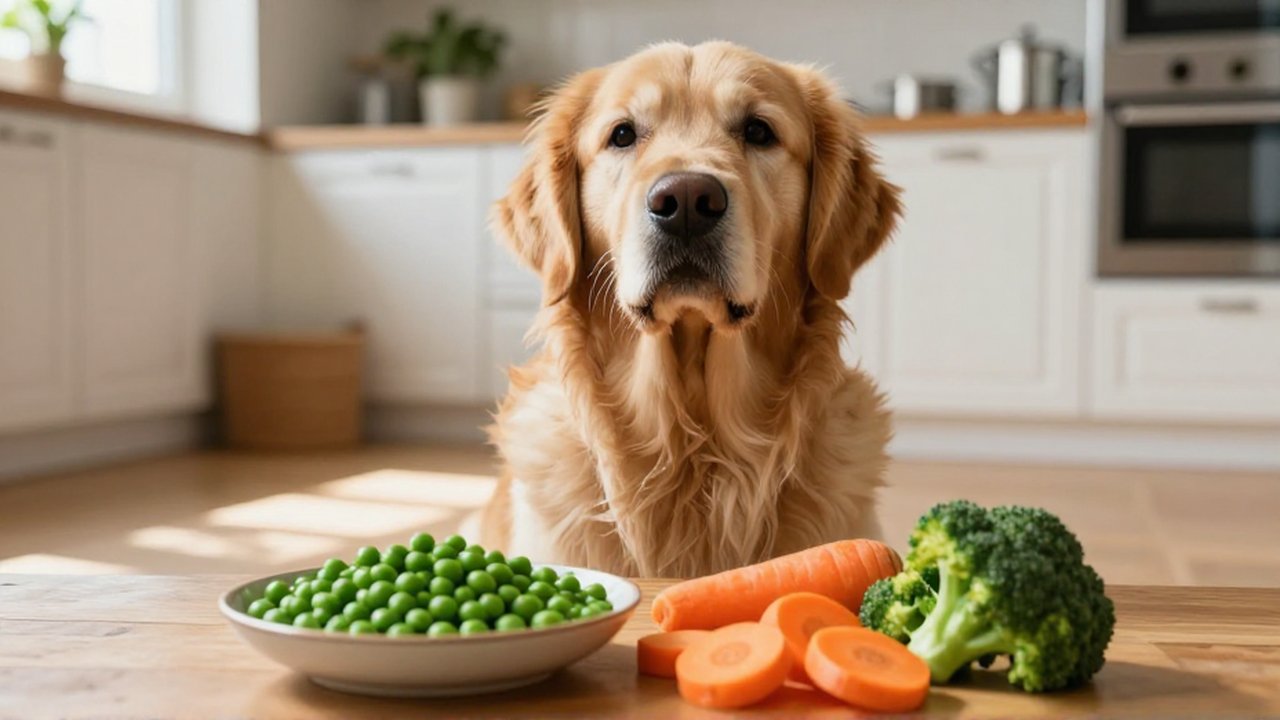
Vegetables offer a range of nutritional advantages that can enhance a dog's overall well-being, and the benefits of vegetables for dogs go beyond simple variety. One of the primary benefits is the high content of dietary fiber, which aids in digestion and helps regulate bowel movements. This is especially beneficial for dogs prone to constipation or those needing help managing their weight, as vegetables allow for increased meal volume with fewer calories.
Furthermore, many vegetables are rich in specific micronutrients. For example, certain greens provide iron and calcium, while orange vegetables are high in beta-carotene, which supports ocular health. The antioxidants found in various plant-based foods also help combat oxidative stress in the body. By diversifying the food bowl, you provide a wider spectrum of phytochemicals that can strengthen the immune system and support skin and coat health.
Best vegetables for a healthy dog
When selecting the best vegetables for dogs, focus on those that are easily digestible and nutrient-rich. Always serve them cooked (steamed or boiled) or finely chopped to prevent choking hazards and to make the nutrients more bioavailable.
- Carrots: Carrots for dogs are a fantastic source of beta-carotene and fiber. They can be served raw as a crunchy treat for larger dogs or steamed for smaller ones, and they also help support dental health by scraping plaque from the teeth.
- Green Beans: Green beans for dogs are a low-calorie option that is excellent for weight management. They provide fiber and vitamins without adding significant fat or sugar to the diet, making them a satisfying filler for hungry pups.
- Broccoli: This vegetable is rich in vitamins C and K. It should be given in small amounts due to its high fiber content, which can cause gas in some dogs.
- Cucumber: Cucumber for dogs is perfect for hydration, especially in warmer climates like the Dominican Republic. They are low in calories and provide a refreshing crunch, making them an ideal low-calorie dog treat on hot days.
- Zucchini: A versatile vegetable that is easy on the stomach and provides essential nutrients like potassium and manganese.
- Pumpkin: Plain, cooked pumpkin (not pie filling) is widely used to soothe digestive issues and provide a massive boost of soluble fiber. Pumpkin for dogs is especially helpful for firming up loose stools, but introduce it gradually to avoid the opposite effect.
- Sweet Potato: A great source of complex carbohydrates and vitamins, though it should be served in moderation due to its higher starch content.
Vegetables to avoid at all costs
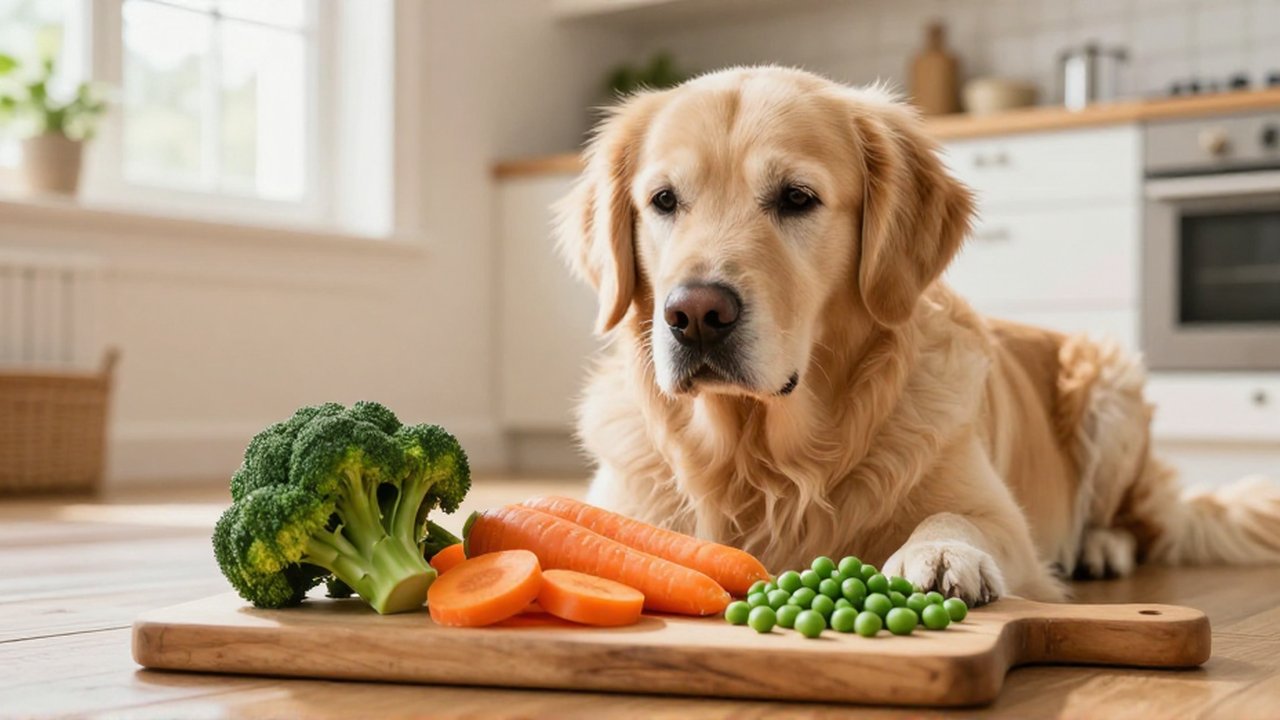
While many vegetables are safe, several common kitchen items are highly toxic to dogs. Knowing which vegetables toxic to dogs is crucial to keep these away from your pet and prevent serious medical emergencies.
| Vegetable | Risk Factor | Potential Effect |
|---|---|---|
| Onions | High Toxicity | Onions toxic to dogs can damage red blood cells and cause hemolytic anemia, even in small amounts |
| Garlic | High Toxicity | Similar to onions, can cause oxidative damage and anemia |
| Chives | High Toxicity | Part of the Allium family; highly toxic |
| Leeks | High Toxicity | Can cause severe gastrointestinal distress and anemia |
| Uncooked Potatoes | Moderate Risk | Contain solanine, which is toxic in large amounts |
| Mushrooms | High Risk | Many wild or unidentified mushrooms are deadly |
Always ensure that any vegetable you provide is free from seasonings, oils, salt, or spices, as these additives are often more dangerous to dogs than the vegetables themselves. When introducing new foods to dogs, keep each addition simple and unseasoned.
Tips for introducing new foods
To avoid gastrointestinal upset, you should never introduce a large amount of new food at once. The best approach to how to introduce vegetables to dogs is the "slow introduction" method. Start with a very small piece of the vegetable—no larger than a fingernail—and monitor your dog for 24 hours. Watch for signs of diarrhea, vomiting, or unusual lethargy.
If your dog reacts well, you can slowly increase the portion size over several days. It is also recommended to chop or mash vegetables into very small pieces, especially for smaller breeds, to minimize the risk of choking. Cooking vegetables until they are soft is generally safer for digestion than serving them raw, as it breaks down the tough cellular walls of the plants.
Frequently asked questions
Can I feed my dog raw vegetables? Some dogs can digest raw vegetables like carrots or cucumbers, but steaming them is generally safer and easier on the digestive system. Always ensure they are chopped into bite-sized pieces to prevent choking.
Is it okay to give my dog too many vegetables? No. While healthy, excessive vegetable intake can disrupt the nutritional balance of their primary food or cause digestive issues like gas and diarrhea due to high fiber content.
Should I use canned vegetables? Avoid canned vegetables unless they are specifically labeled as "no salt added." Most canned goods contain high levels of sodium or preservatives that are unsuitable for dogs.
Why does my dog want to eat my vegetables? Dogs are often attracted to the scent and texture of vegetables. However, their interest might be driven by a nutritional deficiency or simply curiosity; always supervise them to ensure they don't consume something toxic.
Leave a Reply