
Essential facts about Dominican Republic reef biodiversity

Introduction
The coral reefs surrounding the Dominican Republic are among the most vibrant and biologically significant ecosystems in the Caribbean Sea, forming part of the wider Caribbean reef ecosystems that stretch across the region. These underwater structures serve as critical habitats for thousands of marine species, providing food, shelter, and breeding grounds that sustain the oceanic food web. Understanding this Dominican Republic reef biodiversity is essential for recognizing the ecological value of the island's coastal waters and the vital role these reefs play in maintaining environmental balance.
Beyond their biological importance, these reefs act as natural barriers that protect the coastline from the erosive power of waves and storm surges. They are central to the region's ecological health and economic stability, supporting local fishing industries and promoting marine life diversity. For anyone interested in the natural heritage of the Dominican Republic, grasping the complexity of these reef systems is the first step toward appreciating the fragile beauty of the Caribbean marine landscape.
Major coral species and structure
The foundation of the Dominican Republic's marine biodiversity lies in its scleractinian corals, the stony reef-building species that dominate Caribbean reef ecosystems. These organisms build the massive calcium carbonate skeletons that form the physical architecture of the reef. In the Dominican waters, different types of corals dominate various zones based on depth, light availability, and wave energy.
Branching corals, such as Acropora species, are often found in shallower, high-energy areas. Their intricate, finger-like structures provide complex niches for small fish and invertebrates to hide from predators. Conversely, massive or "brain" corals grow much more slowly, forming large, boulder-like structures that provide the long-term stability of the reef framework. These slow-growing corals are essential for the structural integrity of the ecosystem over decades and centuries.
Diversity of marine fauna
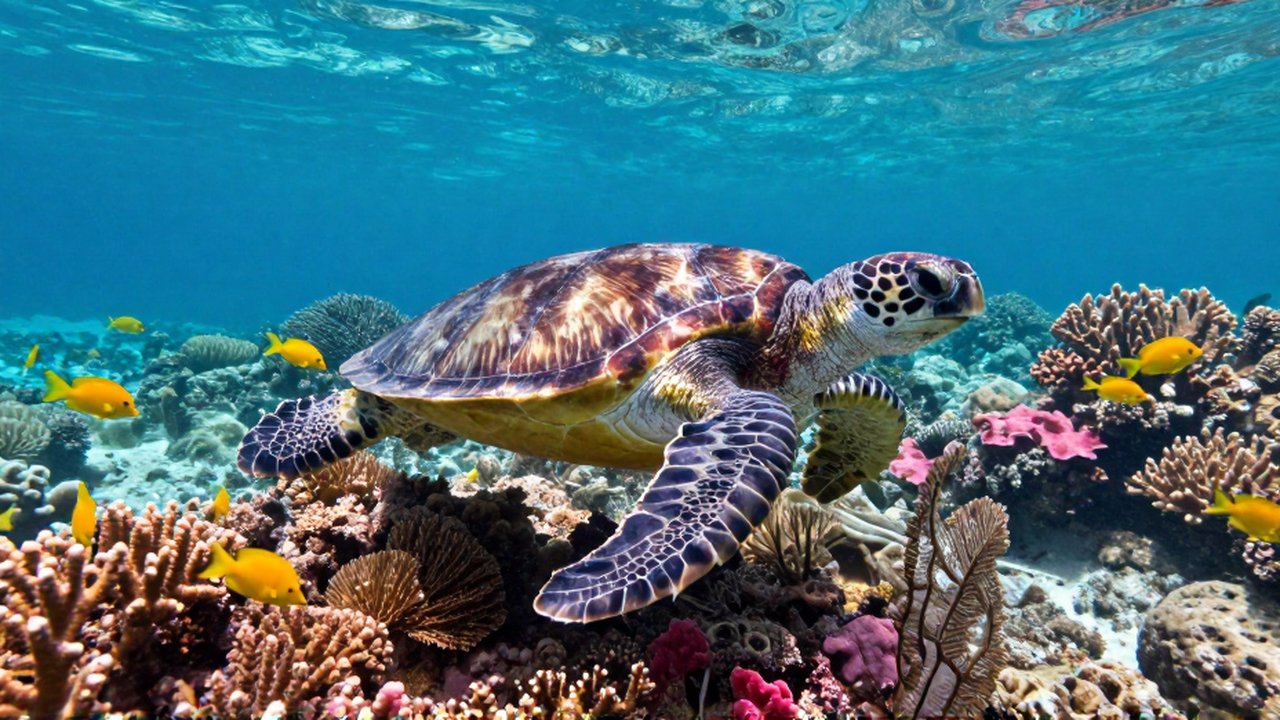
The structural complexity provided by the corals supports an immense variety of animal life, ranging from microscopic organisms to large predatory fish. This biodiversity can be categorized into several functional groups that interact within the reef ecosystem, and together they define the marine fauna of the Caribbean reef.
- Reef Fish: These include herbivores like parrotfish, which play a crucial role by grazing on algae that might otherwise smother the coral. They also include carnivores such as groupers and snappers, which regulate smaller fish populations. The grazing activity of parrotfish is one of the clearest examples of how reef fish species Caribbean reefs depend on to stay healthy.
- Invertebrates: The reef is home to a vast array of crustaceans, mollusks, and echinoderms. Sponges, sea fans, and sea cucumbers are vital for nutrient cycling and water filtration.
- Elasmobranchs: Sharks and rays are frequently observed in the deeper edges of the reef systems, acting as apex predators that maintain the balance of the entire marine community.
- Reptiles: Sea turtles are significant visitors to these reefs, often utilizing the nearby seagrass beds and coral structures for feeding and resting.
Ecological functions of the reef system
A healthy reef performs several "ecosystem services" that are indispensable to the Dominican Republic. The primary function is nutrient cycling, where the biological processes of corals, sponges, and microbes transform organic matter into energy that fuels the rest of the ocean. These reef ecosystem services also include coastal protection, fisheries support, and habitat provision for commercially valuable species.
Furthermore, reefs act as massive biological filters. Sponges and other filter-feeding organisms constantly process seawater, helping to maintain the clarity and quality of the water. This clarity is necessary for sunlight to reach the symbiotic algae (zooxanthellae) living within the coral tissues, which is how the corals obtain most of their energy. Without this cycle of filtration and light penetration, the reef would collapse into a murky, unproductive environment.
Threats to reef health

While the Dominican Republic possesses rich marine biodiversity, these ecosystems face significant environmental pressures. Understanding these risks is necessary for grasping why conservation efforts are prioritized, particularly the causes of coral bleaching and the long-term impact of sedimentation on corals.
| Threat Type | Impact on Reefs |
|---|---|
| Climate Change | Rising ocean temperatures can cause coral bleaching, where corals expel their essential symbiotic algae. Prolonged heat stress is the most common trigger of coral bleaching causes documented across the Caribbean. |
| Sedimentation | Runoff from land can coat corals in silt, preventing them from feeding and blocking sunlight. |
| Overfishing | Removing key species, such as herbivores, allows algae to grow uncontrollably and overtake coral colonies. Overfishing of parrotfish and other grazers is a direct driver of reef degradation. |
| Physical Damage | Destructive fishing practices or improper anchoring can physically break the delicate coral structures. |
Common misconceptions about coral reefs
Many people believe that coral reefs are simply rocks or plants. In reality, they are living, breathing animal colonies: every coral head is composed of thousands of tiny individual animals called coral polyps, which are living animals that build the reef skeleton. Another common mistake is the idea that any colorful underwater environment is a healthy reef; however, a reef dominated by algae rather than living coral is actually an ecosystem in distress.
Frequently asked questions
What is coral bleaching? Coral bleaching occurs when corals become stressed, usually due to rising water temperatures. They expel the colorful algae living in their tissues, turning white and losing their primary food source, which can lead to the death of the coral if conditions do not improve.
Why are parrotfish important for the reef? Parrotfish are essential herbivores that eat algae off the coral surfaces. By doing this, they prevent algae from overgrowing and suffocating the coral, ensuring there is space for new coral larvae to settle and grow.
Can I see large sharks in the reefs of the Dominican Republic? Yes, various species of sharks and rays are part of the natural ecosystem. They are typically found in the deeper waters near the reef edges and play a vital role in maintaining the health of the marine food web, acting as apex predators that keep prey populations in balance.
How do reefs protect the coastline? Reefs act as natural breakwaters. They absorb and dissipate a significant amount of the energy from incoming waves and storms, which reduces coastal erosion and protects the land and human infrastructure from the sea.
Leave a Reply