
Emergency contact checklist for pet owners in storms
Introduction
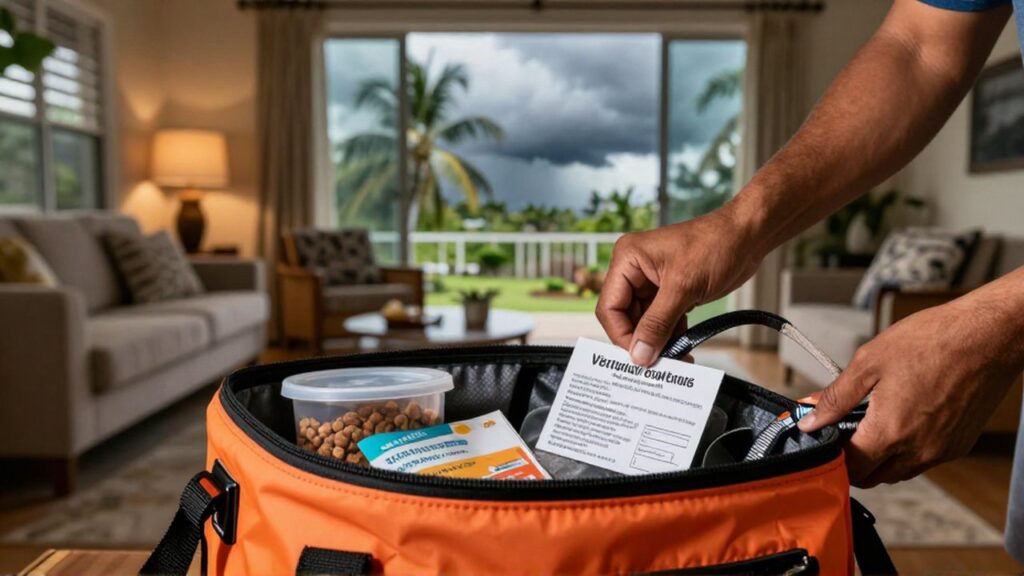
Preparing for tropical storms and hurricanes in the Dominican Republic requires more than just securing your home; it requires a specialized plan for your animal companions. An emergency contact checklist for pet owners is a vital tool designed to ensure that, in the chaos of a sudden evacuation or a power outage, you have all the necessary information to secure medical help and professional guidance for your pets. Having these details organized beforehand reduces panic and prevents critical delays when every minute counts.
This checklist is essential for every pet owner to implement as soon as a storm warning is issued, ideally as part of a broader hurricane preparedness plan that includes a pet emergency kit. By identifying and documenting key contacts, you create a safety net that protects your animals from medical emergencies, lost-pet scenarios, and logistical hurdles during extreme weather. Whether you are sheltering in place or relocating to a safer area, knowing exactly who to call provides peace of mind and ensures your pets receive the continuity of care they need.
Essential veterinary and medical contacts
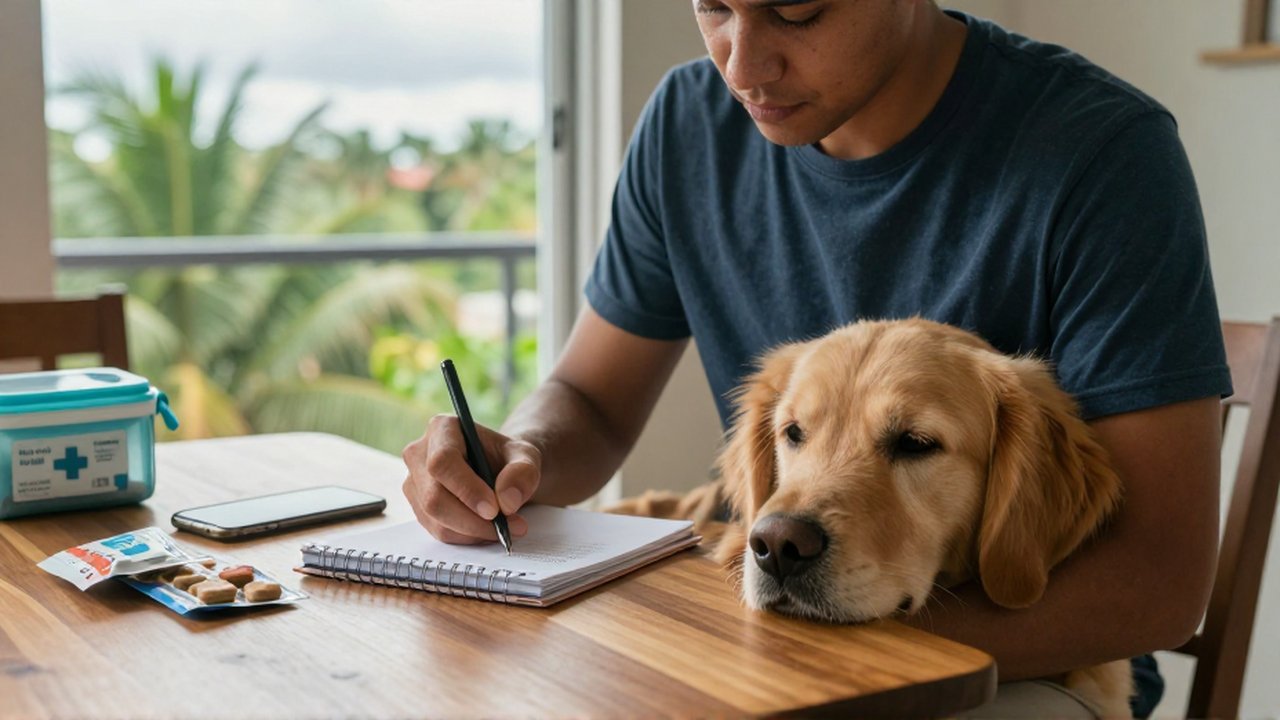
The most critical component of your emergency plan is a dedicated list of medical professionals. In the event of a storm, local clinics may experience high volumes or temporary closures, making it imperative to have multiple points of contact ready. Start by documenting the name, address, and phone number of your regular veterinarian. While they know your pet's history best, they may not be reachable during a severe weather event, so treat this entry as the first link in a broader network of contacts for your pet.
Include the contact information for the nearest 24-hour emergency veterinary hospital, and confirm in advance whether it operates as a true emergency veterinary center with standing storm protocols. Do not assume they will be open; always verify their emergency procedures and whether they have standing orders for storm-related triage. Additionally, if your pet requires specialized care, such as treatment for diabetes or heart conditions, keep the contact details of specific specialists or diagnostic laboratories on hand. Knowing the location of the closest pharmacy that stocks pet medications can also be a lifesaver if your local supplies run low.
Local emergency services and animal rescue organizations
During large-scale weather events, standard emergency services may be overwhelmed. It is prudent to identify local animal welfare organizations and animal rescue organizations that operate in your specific region. These groups often have experience in animal rescue during floods or high winds and may provide information on temporary shelters or community resources, including pet shelters in disasters that accept displaced animals.
You should also identify local government authorities responsible for animal control and disaster management. In many areas, specific agencies are tasked with managing stray animals and assisting owners with pet evacuations. Record the numbers for local civil defense units and non-governmental organizations (NGOs) dedicated to animal protection. Keeping these numbers in a physical format—such as a laminated card or a notebook—is vital, as digital devices may fail due to battery depletion or loss of cellular service.
Pet sitting and secondary caregiver information
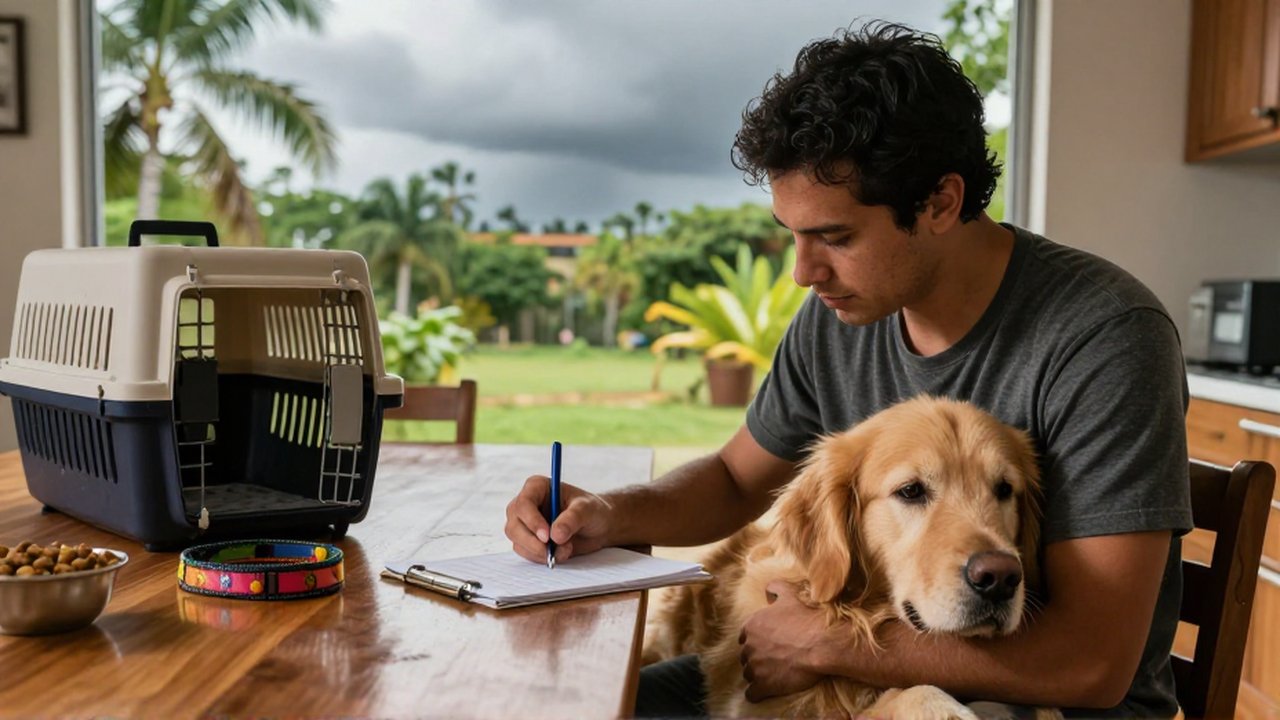
If a storm forces you to evacuate unexpectedly, you may not be able to take your pets with you, or you may need to leave them with a trusted individual. Create a list of secondary caregivers—friends, family members, or professional sitters who are willing and able to take your pet in an emergency. This list should also name a backup caregiver for your pet in case your first choice is affected by the same storm.
For each contact, record:
- Their full name and primary phone number.
- An alternative contact method (such as a landline or a different relative's number).
- Detailed information regarding their ability to house your specific type of animal.
- A designated "backup" contact in case the primary caregiver is also affected by the storm.
Having this information pre-verified ensures that you are not making frantic decisions while a storm is making landfall.
Documentation and identification details
A contact checklist is incomplete without the specific details that help professionals identify and reunite you with your pet. If your pet is separated from you during a storm, rescuers will need specific data to verify ownership. Maintain a written record that includes your pet's full name, breed, color, weight, and any distinguishing marks or microchip numbers, along with your pet's microchip information and the registry where it is recorded.
Include the contact information for your pet's microchip registry provider. If your pet is lost, the ability to immediately update your contact information in the registry is crucial. Furthermore, keep a digital or physical copy of vaccination records and medical history near your contact list, together with your pet's medical documents. This allows any emergency veterinarian you contact to immediately understand the medical needs and allergies of your pet without waiting for files to be transferred.
Frequently asked questions
Where should I keep my emergency contact list? Keep a physical copy in a waterproof folder within your pet's emergency travel kit and a digital copy on a device that is easily accessible, such as a smartphone. It is also wise to leave a copy with your secondary caregiver.
What if my primary veterinarian is closed during the storm? This is why your list must include at least one 24-hour emergency clinic and a secondary local vet. Always check the status of local clinics via radio or official emergency broadcasts if the internet is unavailable.
Should I include contact info for my pet's insurance provider? Yes. If your pet requires emergency medical treatment due to storm-related injuries, having your policy number and the insurer's emergency claims line ready can help manage unexpected costs during a crisis. Keep a copy of your pet insurance policy details alongside your emergency contact list so you can file claims quickly once the storm passes.
How often should I update this checklist? You should review and update your contact list at least every six months. Ensure that phone numbers for veterinarians, sitters, and microchip registries are still current, and update your pet's medical information if their needs have changed.
Leave a Reply