
Essential hydration tips for dogs traveling in the DR
Introduction
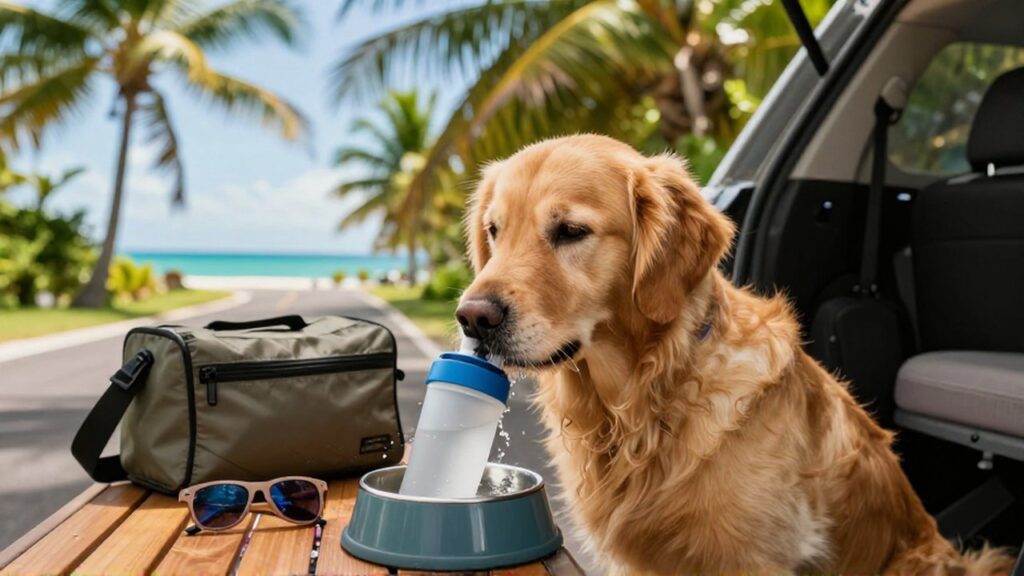
Traveling through the Dominican Republic with a dog offers incredible opportunities for adventure, but the tropical climate presents unique physiological challenges. Maintaining proper hydration is critical because the high humidity and intense heat increase the risk of heat exhaustion and dehydration in canines. When a dog loses more fluids through panting and perspiration than they consume, their internal temperature regulation fails, leading to serious health complications. For this reason, planning the hidratación de perros en República Dominicana should begin before you even board the plane.
Understanding how to manage water intake during transit and outdoor activities is essential for any pet owner visiting the islands. This guide provides practical strategies to ensure your dog remains hydrated while navigating different terrains, from coastal heat to inland humidity. Prioritizing water access and monitoring signs of fluid loss will allow you to enjoy your journey safely and responsibly.
Why tropical weather increases hydration needs
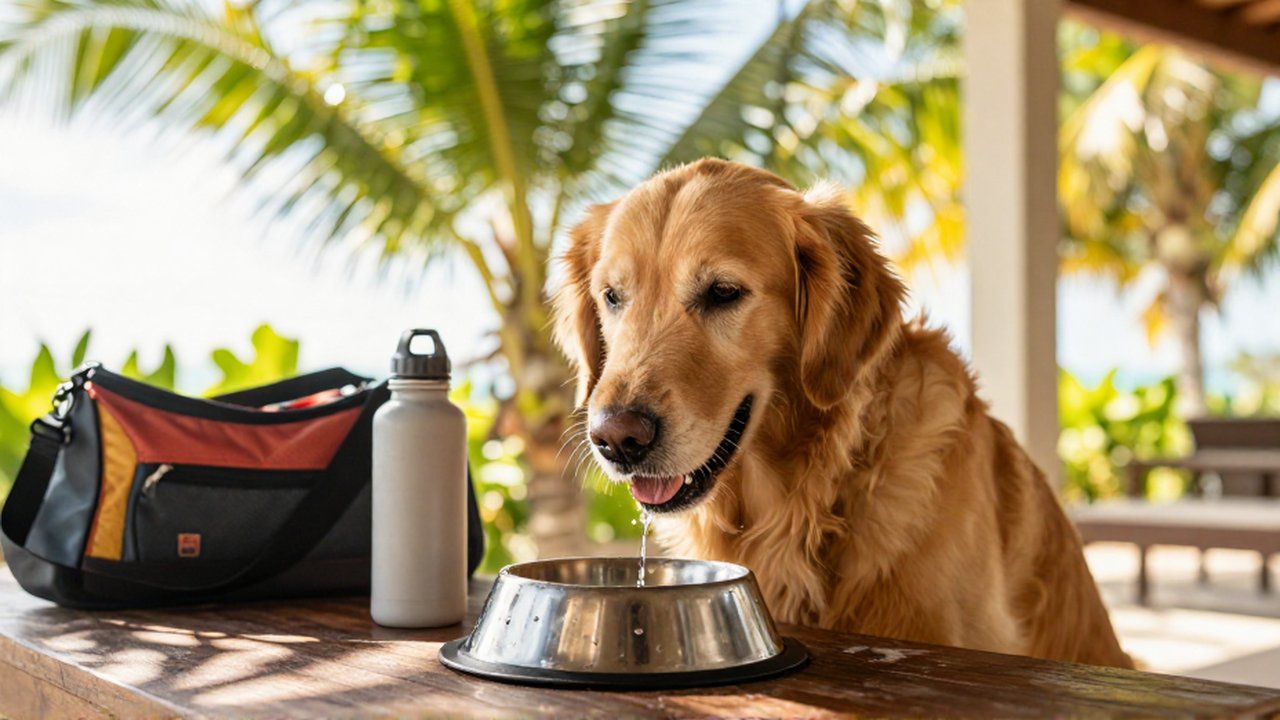
The Dominican Republic is characterized by high ambient temperatures and significant humidity levels. For dogs, these conditions create a double challenge. They primarily cool themselves through panting, an evaporative process that consumes significant amounts of water. In humid environments, evaporation is less efficient, meaning the dog may need to pant more vigorously and drink more frequently to achieve the same cooling effect. This is why hidratación canina en clima húmedo demands a more deliberate schedule than you might follow at home.
During a trip, your dog’s activity levels might change, but the heat remains constant. Whether you are walking on a beach in Punta Cana or exploring the hills of Jarabacoa, the metabolic demand for water stays high. Failing to account for this shift in environmental demand can lead to lethargy, dry gums, and decreased responsiveness, which are often the first signs that fluid levels are dropping dangerously low. Recognizing the early warning signs of a golpe de calor en perros en RD can make the difference between a minor setback and a veterinary emergency.
Practical ways to ensure constant water access
To prevent dehydration, you must move beyond the standard approach of providing water only during designated meal times. Consistency is the key to maintaining a stable hydration level during travel. Learning cómo mantener hidratado a un perro in motion means building water access into every leg of your itinerary rather than treating it as an afterthought.
- Portable water solutions: Always carry a dedicated travel bowl or a specialized silicone collapsible bowl. A lightweight, easy-to-clean botella portátil de agua para perros makes it much more likely that you will offer water every time you stop, even during short breaks between destinations.
- Multiple hydration stations: Do not rely on a single large bottle. Instead, carry small, accessible amounts of water throughout your day. If you are hiking or walking long distances, frequent "micro-drinks" are more effective than one large drink after a long period of thirst.
- Timed hydration breaks: Establish a routine of offering water every 30 to 45 minutes, especially when moving between locations or during outdoor excursions. As a starting point for cuánta agua debe tomar un perro, aim for roughly 50 to 60 ml per kilogram of body weight per day, then increase that amount in the heat.
- Ice cubes for cooling: In extremely hot settings, offering a few ice cubes can help lower the dog's core temperature while simultaneously providing much-needed moisture.
Choosing the right water source for your pet
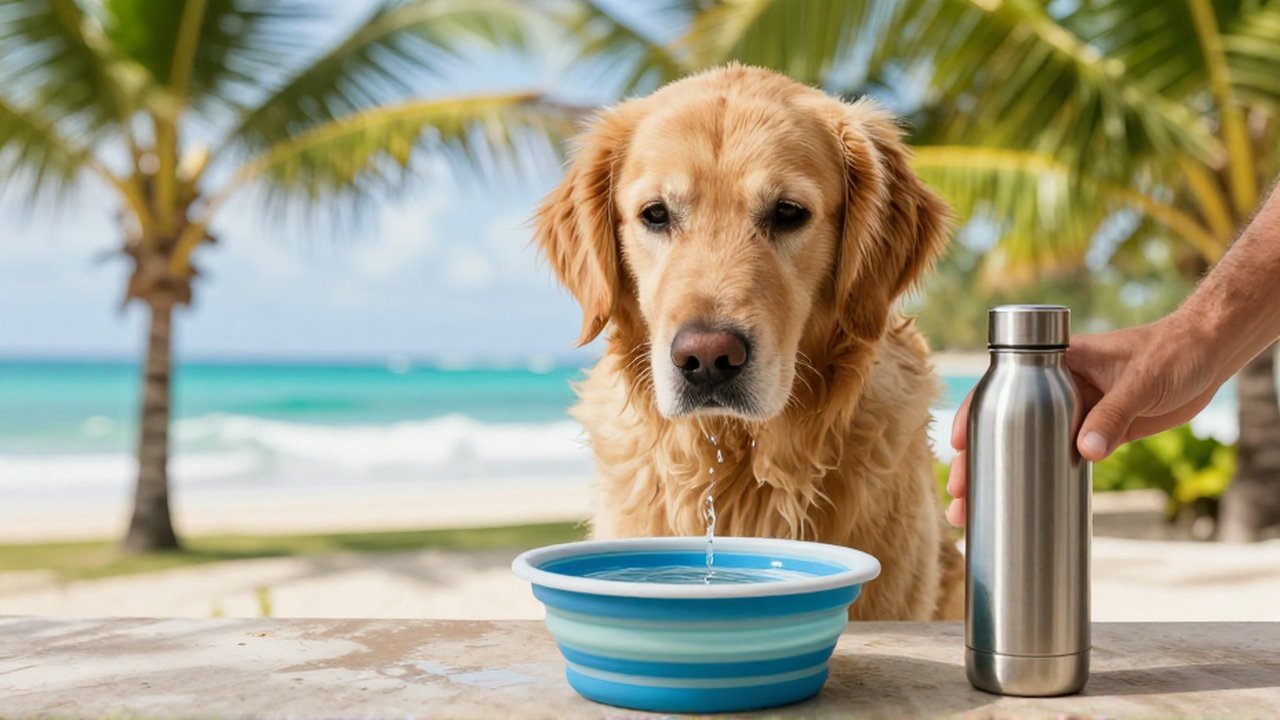
One of the most common mistakes travelers make is allowing their dogs to drink from unknown sources, such as puddles, stagnant tropical pools, or even tap water in areas where local water quality may vary. The peligro del agua estancada para perros is real: warm, still water in the tropics can harbor leptospirosis and other pathogens. To protect your dog's digestive health, follow these guidelines:
| Water Type | Recommendation | Risk Level |
|---|---|---|
| Bottled Water | Best option; carries minimal risk of contaminants. | Very Low |
| Filtered Water | Use a portable filter or pre-filtered water if possible. | Low |
| Tap Water | Use with caution; ensure it is known to be safe for human consumption. | Moderate |
| Natural Sources | Avoid streams, ponds, or ocean water. | High |
Drinking ocean water is particularly dangerous for dogs due to the high salt content, which can actually accelerate dehydration through osmotic pressure. When a perro bebe agua del mar, the risk goes beyond thirst: excess sodium can trigger vomiting and further fluid loss. Similarly, stagnant freshwater in tropical climates can host parasites or bacteria that lead to gastrointestinal distress. When in doubt, always stick to sealed, potable bottled water.
Signs of dehydration to monitor during travel
Being able to recognize the early symptoms of dehydration can prevent an emergency situation. Owners should perform regular visual and physical checks on their dogs during long trips. Familiarizing yourself with the signos de deshidratación en perros before you travel lets you respond calmly and quickly instead of guessing in the moment.
Early indicators include a dry or tacky nose, slightly thickened saliva, and a decrease in energy or an unusual desire to lie down. You can also check the gums; they should be moist and slippery to the touch. If they feel sticky or look pale, the dog may be losing fluids. These síntomas de deshidratación canina en viaje are easiest to catch during scheduled rest stops, so make the check part of every break.
Advanced signs are more critical and require immediate attention. These include extreme lethargy, sunken eyes, rapid heart rate, or a loss of skin elasticity (if you gently pinch the skin on the neck and it does not snap back quickly). If you observe these symptoms, seek shade immediately, offer small amounts of water, and consult a local veterinarian.
Frequently asked questions
Can I give my dog coconut water while traveling in the DR? While el agua de coco para perros contains electrolytes, it should be given in moderation and only if it is pure, unsweetened, and safe for consumption. It is not a substitute for regular water, but can be a supplementary hydration tool in specific contexts, such as a long hike when your dog is reluctant to drink plain water.
Should I change my dog's diet to help with hydration? Yes, incorporating wet food or adding moisture to their kibble can significantly increase their daily water intake. Using comida húmeda para hidratar perros is a helpful strategy during long travel days when a dog might be hesitant to drink from a bowl, and it also supports kidney function by keeping fluid moving through the system.
How much water should my dog drink daily? Hydration needs vary based on a dog's weight, activity level, and the temperature. A general rule is that they need more than usual in a tropical climate. Monitor their urine color; it should be light and clear. Darker urine is a strong indicator that more water is needed.
Is it okay to let my dog drink from a hotel pool? It is not recommended. Pool chemicals can irritate the digestive tract, and the salt or chlorine content does not contribute to healthy hydration. Always provide fresh, potable water instead.
Leave a Reply