
How to prepare your pet for a tropical flight

Introduction
Traveling to a tropical destination with a pet is an exciting journey that requires meticulous planning to ensure the safety and comfort of your animal companion. Preparing for a flight to a warm, humid climate involves much more than just booking a ticket; it requires managing temperature risks, logistical requirements, and the psychological well-being of your pet. Proper preparation mitigates the stress of transit and prevents health complications caused by sudden environmental changes, and it is especially important when you prepare your pet for a tropical flight to a country like the Dominican Republic, where heat and humidity are intense year-round.
Understanding the specific needs of your pet during air travel is essential for a smooth transition from your home to a tropical environment. This guide provides a roadmap for owners to navigate airline regulations, health protocols, and environmental considerations. By following a structured preparation process, you can transform a potentially chaotic experience into a predictable and safe adventure for your beloved pet.
Essential health and documentation requirements
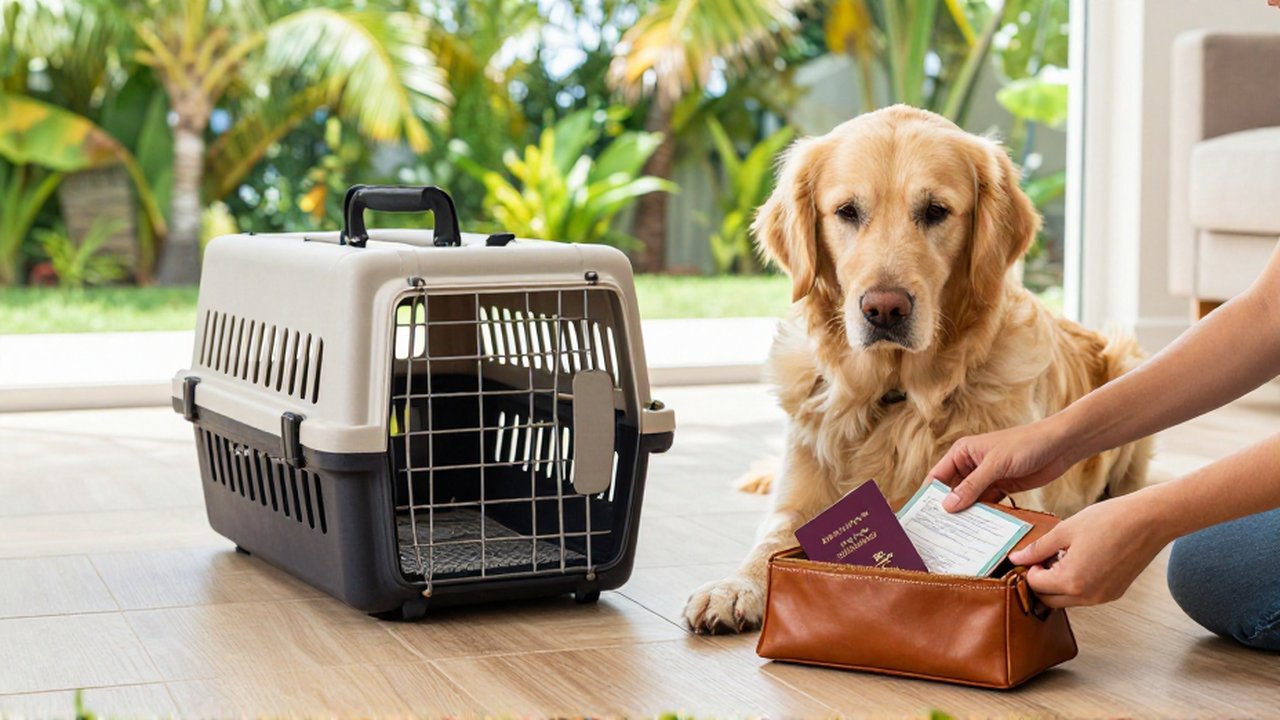
Before you even consider a flight, the first step is ensuring your pet is medically fit for travel. This begins with a comprehensive veterinary consultation, ideally four to six weeks before departure. A veterinarian can assess if your pet is physically capable of handling the pressure changes and confinement associated with flying, and can issue the health certificate for pets that most airlines and destination authorities require. They can also provide necessary vaccinations and update the rabies vaccine, which is mandatory for nearly all international routes.
Documentation is the backbone of legal pet travel. Most airlines and destination authorities require specific paperwork to prove ownership, health status, and vaccination history. You should create a dedicated travel folder containing:
- Current vaccination records (especially the rabies vaccine, which must be administered at least 21 days before travel in most jurisdictions).
- A recent health certificate issued by a licensed veterinarian.
- Microchip identification details.
- Specific permits required by the country of your destination.
Relying on digital copies is helpful, but always carry physical originals. Errors in paperwork can lead to significant delays or even the refusal of entry at customs, which is particularly stressful when traveling to tropical regions with strict biosecurity laws. Check the import rules for pets of your destination country well in advance, as requirements such as quarantine periods, blood titer tests, and endorsed certificates vary widely between nations.
Choosing the right transport method and carrier
Deciding whether your pet will fly in the cabin or in the cargo hold is a critical decision based on size, breed, and temperament. Small dogs and cats can often fly in the cabin if they stay in a carrier under the seat in front of you, which is the least stressful option for pets in cabin vs cargo hold comparisons. Larger animals must travel in a climate-controlled cargo area, which necessitates even stricter attention to detail regarding their comfort and the airline's specific temperature restrictions.
When selecting a carrier, prioritize safety and ventilation. The following criteria are vital for a successful flight:
- Size: The carrier must be large enough for the pet to stand up, turn around, and lie down comfortably, and it must meet the airline's maximum dimensions for cabin travel.
- Ventilation: Ensure there are multiple air holes on several sides to facilitate airflow, especially important when flying into hot, tropical climates.
- Durability: The material must be sturdy enough to withstand movement and prevent escapes.
- Security: Latches must be heavy-duty and secure to prevent accidental opening during transit.
For tropical destinations, consider carriers with enhanced insulation properties to help regulate temperature, but ensure they do not compromise air circulation. A well-ventilated pet carrier for the airplane is essential, and you should also attach a water bowl that can be refilled from outside the crate for longer journeys.
Managing temperature and humidity during transit

The most significant risk when flying to a tropical location is the sudden shift in temperature. Airports and aircraft can experience significant variations in heat, and the transition from a pressurized cabin to a humid tropical climate can be jarring for a pet's system. Heatstroke is a serious risk for many breeds, particularly those with brachycephalic (short-nosed) features such as pugs, bulldogs, and Persian cats, which many airlines restrict or refuse to transport in cargo during warm months.
To mitigate these risks, plan your arrival during cooler times of the day, such as early morning or late evening, and book flights that avoid the hottest midday hours. Upon arrival, avoid immediate exposure to direct sunlight and keep your pet in shaded, ventilated areas while you clear the terminal. Ensure your pet has access to fresh, cool water immediately after landing, and watch for signs of dehydration in pets during the flight, such as dry gums, lethargy, or loss of skin elasticity.
| Risk Factor | Mitigation Strategy |
|---|---|
| Heat Exhaustion | Choose early morning or late night flights; use cooling mats in the carrier. |
| Dehydration | Provide small, frequent amounts of water; avoid heavy meals before flight. |
| Humidity Stress | Ensure high-quality ventilation in the carrier; keep the pet in shaded areas. |
Preparing the pet psychologically and physically
A flight is a sensory overload of loud noises, vibrations, and unfamiliar scents. Beginning a "desensitization" process weeks before the trip can significantly reduce anxiety and travel stress in pets. This involves letting your pet spend time inside their travel carrier at home, feeding them treats inside it, and moving it around different rooms so they become accustomed to its presence, gradually increasing the time they spend inside.
Dietary management is equally important for physical comfort. Most experts recommend avoiding heavy meals several hours before a flight to prevent motion sickness and gastrointestinal upset, so plan the feeding schedule before the flight carefully. However, do not allow your pet to go completely without food, as they will need energy for the journey. A light, easily digestible meal about four hours before departure is usually the best approach, followed by a short walk to allow elimination.
Lastly, ensure your pet is physically active in the days leading up to the flight. A tired pet is often a calmer pet. However, avoid strenuous exercise immediately before heading to the airport, as this can lead to overheating or excessive panting during the boarding process.
Frequently asked questions
Should I sedate my pet for a flight? You should never sedate a pet without explicit instructions and approval from your veterinarian. Sedation can affect a pet's ability to regulate body temperature and their respiratory function during altitude changes, which can be dangerous.
How much water should I provide during the flight? For pets in the cabin, you can offer small amounts of water during takeoff, mid-flight, and landing. For pets in the cargo hold, the airline usually manages hydration, but you should confirm their specific protocols regarding water access.
Can I bring tropical treats for my pet? It is best to stick to familiar, bland foods. Introducing new or exotic treats during a period of high stress can lead to digestive issues. Additionally, always check destination regulations regarding the importation of organic food products.
How do I handle the humidity once we arrive? Once you reach your tropical destination, keep your pet in a climate-controlled environment initially and allow a gradual adaptation to the humidity over the first few days. Monitor them closely for signs of heat stress, such as excessive panting, lethargy, or bright red gums, and ensure they have constant access to fresh water. Limit outdoor exercise to early morning and evening until your pet acclimates to the tropical climate.
Leave a Reply