
How to use clicker training with rescue animals
Introduction
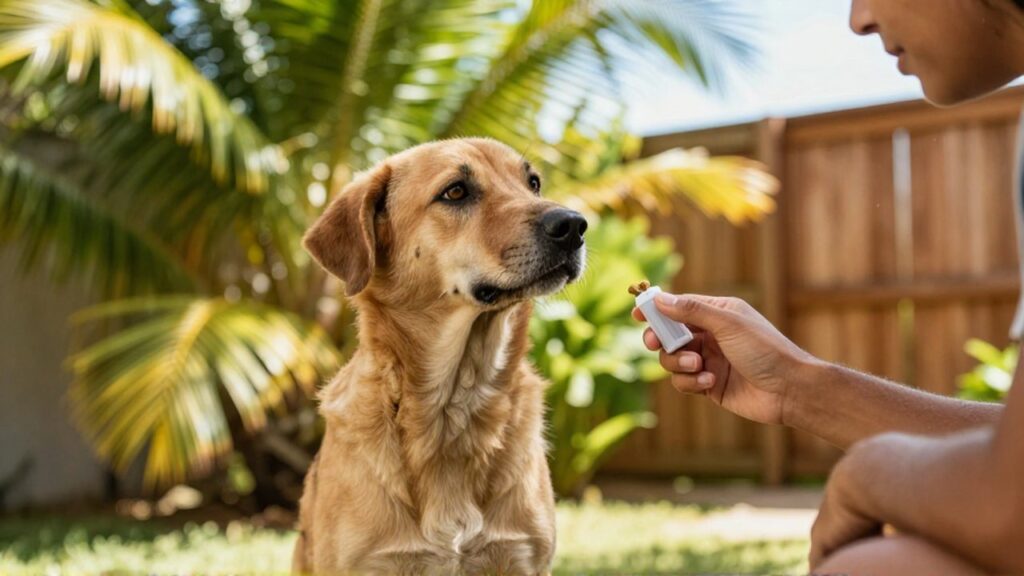
Clicker training is a method of positive reinforcement that uses a small device to produce a distinct, consistent sound. This sound serves as a "marker," telling a pet exactly which behavior earned them a reward. For rescue animals, this technique is particularly transformative because it shifts the focus from correction to communication. Instead of navigating a world of uncertainty or fear, the animal learns that specific actions lead to predictable, positive outcomes, which is why positive reinforcement training is so widely recommended for pets coming from shelters or neglectful environments.
Using a clicker is appropriate during the early stages of rehabilitation and daily obedience training. It is especially useful for animals coming from high-stress backgrounds, such as shelters or neglectful environments, as it minimizes the need for physical or verbal pressure. By utilizing this method, owners can build a bridge of trust, helping their new companions navigate their new home with confidence and clarity. For a fearful dog or cat, the clicker becomes a predictable signal that reduces stress and makes the world feel safer.
Benefits of clicker training for rescue pets

Rescue animals often enter a new home with a history of unpredictable environments. They may struggle to understand human intentions or may be hypersensitive to vocal tones and sudden movements. Clicker training offers several distinct advantages in these scenarios, and it is especially effective for building trust with rescue animals that have learned to associate human hands with punishment:
- Precision in communication: Unlike human speech, which can be variable in pitch and timing, a click is consistent. This eliminates the guesswork for an animal that may be struggling to process language, making it an ideal tool for training rescue dogs with clicker methods.
- Building confidence: Because the method relies entirely on rewards, it creates a "win-win" environment. This is vital for fearful dogs or cats that need to learn that interacting with humans is safe and rewarding, and it is a core principle of positive training methods for rescue animals.
- Reducing stress: Traditional training methods often rely on dominance or corrections, which can trigger anxiety in rescue animals. Clicker training focuses on what the animal is doing right, keeping cortisol levels low.
- Accelerated learning: The immediate nature of the "click" allows the animal to make a direct mental connection between their movement and the reward, speeding up the learning process.
Steps to master clicker training
Before attempting to teach complex commands, you must establish the foundation of the training session. Follow these steps to ensure a smooth transition from the clicker to actual behavior modification.
Charging the clicker The first and most important step is "charging" the device. This means teaching the animal that the clicker itself is a promise of food. Hold the clicker, make one click, and immediately give a small, high-value treat. Repeat this process 10 to 15 times. You will know the clicker is charged when the animal hears the sound and immediately looks at you in anticipation of a treat. This step-by-step foundation is essential before attempting to capture or shape any behavior.
Capturing desired behaviors Once the clicker is charged, you can begin "capturing." This involves waiting for the animal to perform a natural behavior, such as sitting or lying down on its own. The moment the behavior occurs, click and reward. This teaches the animal that their voluntary actions are what trigger the reward, and it is one of the most effective ways of capturing behaviors in rescue dogs that are still learning to trust.
Shaping new behaviors Shaping is the process of rewarding small increments toward a final goal. If you want a rescue dog to learn to walk on a leash, do not wait for a perfect walk. Click and reward when they look at the leash, then when they take a step near it, and eventually when they walk beside you. This incremental approach prevents the animal from becoming frustrated or overwhelmed, and it is a reliable way of shaping behaviors in rescue pets without triggering anxiety.
Common mistakes to avoid with sensitive animals
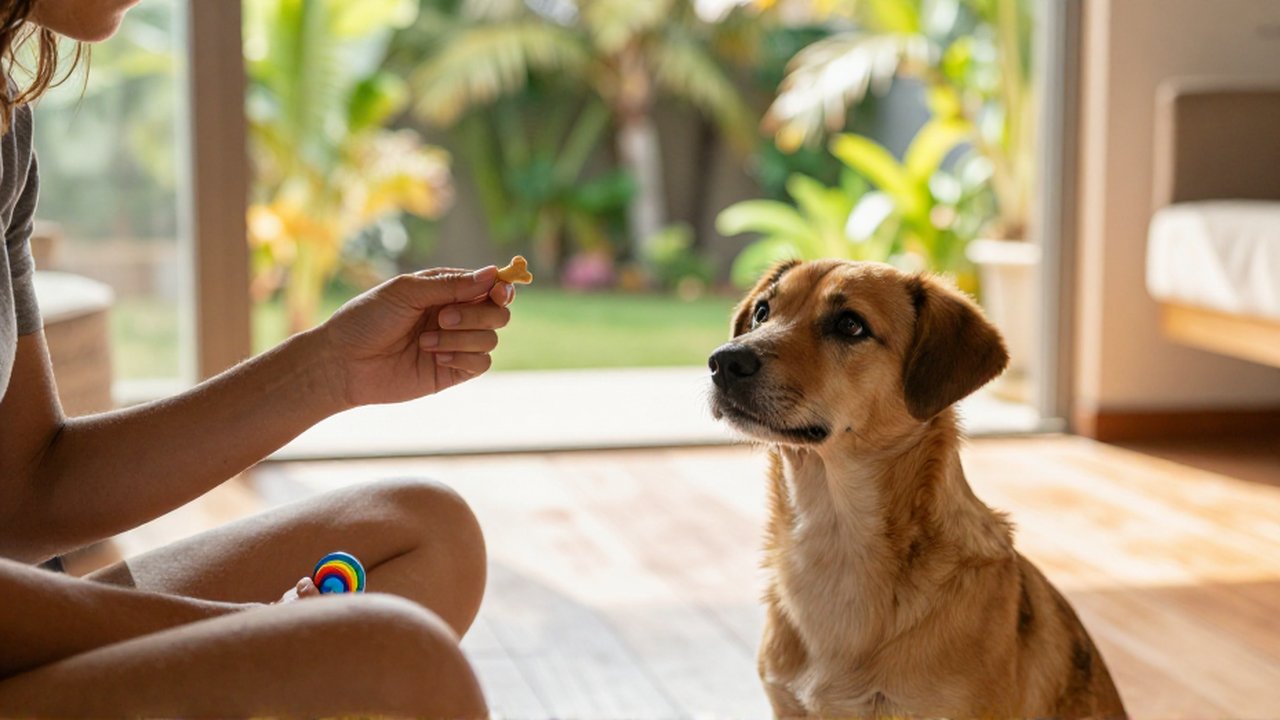
When working with rescue animals, the margin for error is often smaller due to their potential for trauma. Avoiding these common pitfalls is essential for maintaining a positive training environment.
One frequent mistake is incorrect timing. If you click even a few seconds after the behavior has occurred, the animal will not understand what they are being rewarded for. The click must be instantaneous. For rescue animals, clicker training timing is also crucial for preventing confusion that could lead to anxiety, so practice your timing before working with a sensitive pet.
Another error is using low-value rewards. If a rescue animal is highly motivated by something specific, such as small pieces of chicken or specialized treats, using standard kibble may lead to a lack of engagement. The reward must be something the animal finds highly motivating to compete with the distractions of a new environment. High-value rewards are especially important for clicker training anxious pets, who may need extra incentive to participate.
Overtraining is also a significant risk. Rescue animals often experience mental fatigue more quickly than pets with stable backgrounds. If you notice the animal losing interest, yawning, or walking away, end the session immediately. Pushing through a session when an animal is stressed can cause a setback in their progress and damage the trust you are building.
Essential considerations for successful rehabilitation
Successful clicker training with a rescue animal requires patience and an understanding of their unique temperament. Always keep clicker training sessions short—typically five to ten minutes—to ensure the animal remains engaged and happy. It is better to have three very successful, short sessions in a day than one long, frustrating session, and this structure supports the overall rehabilitation of rescue dogs by keeping each interaction positive and predictable.
| Factor | Recommended Approach | Why it matters |
|---|---|---|
| Session Length | 5–10 minutes | Prevents mental fatigue and frustration. |
| Reward Type | High-value, small bites | Maintains high motivation without overfeeding. |
| Environment | Quiet and low-distraction | Helps the animal focus on the clicker. |
| Tone | Calm and consistent | Prevents triggering anxiety in sensitive pets. |
Frequently asked questions
Can I use clicker training if my pet is too scared to approach me? Yes, but you should start by "charging" the clicker at a distance. Toss treats toward the animal after clicking to build a positive association without forcing physical proximity, which preserves their sense of safety. This distance-based approach is a gentle way to begin clicker training with fearful dogs and cats that are not yet ready for close contact.
Does clicker training work for cats as well as dogs? Absolutely. Cats respond very well to clicker training because they are highly motivated by specific rewards and benefit from the clarity of a consistent sound.
What should I do if my animal makes a mistake during training? Simply do nothing. In clicker training, you only click when the animal does something correct. If they perform the wrong action, do not scold them; just wait for the next correct movement and click then.
How do I know when to stop using the clicker? Once an animal has mastered a command and performs it reliably in various environments, you can transition to verbal praise or a physical reward, though many owners continue using the clicker for precision tasks.
Leave a Reply