
Pet-friendly excursions in Punta Cana and Samana

Introduction
Traveling to the Dominican Republic with a pet is an enriching experience that allows owners to share the beauty of the Caribbean with their loyal companions. While many tourists focus on all-inclusive resorts that often restrict animals, exploring the coastal regions of Punta Cana and Samana offers unique opportunities for pet-friendly excursions. Planning these outings requires specific knowledge regarding local terrain, heat management, and social etiquette to ensure both the animal and the owner enjoy a stress-free vacation, so this guide covers practical tips for traveling with pets in the Dominican Republic.
Choosing the right excursions in these two distinct regions is essential for a successful trip. Punta Cana is characterized by its expansive white-sand beaches and organized leisure infrastructure, while Samana offers a more rugged, natural, and verdant landscape. Understanding the differences between these two destinations helps pet owners select activities that match their pet's temperament, energy levels, and tolerance for tropical climates.
Exploring pet-friendly beaches in Punta Cana
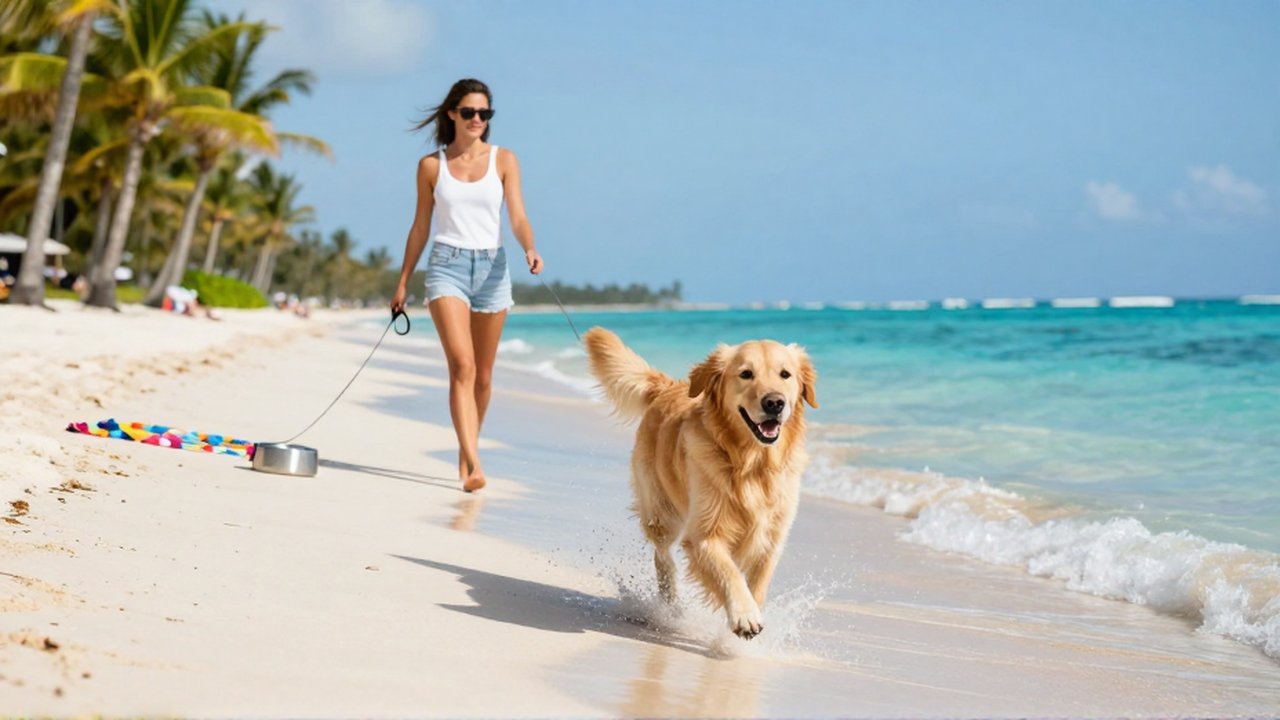
Punta Cana is world-renowned for its long stretches of turquoise water and soft sand. For pet owners, the primary goal is finding stretches of coastline where animals are permitted and where the environment remains safe. Many of the most popular, high-traffic resort beaches may have restrictions, so it is often more rewarding to seek out quieter, less developed coastal areas nearby; asking local residents about dog beach Punta Cana public access points is one of the most reliable ways to locate them.
Walking along the shoreline can be a wonderful sensory experience for dogs, provided you take certain precautions. The sand in Punta Cana can become extremely hot under the midday sun, which can burn a pet's paw pads, so paw care on hot sand beaches is essential. It is highly recommended to visit these beaches during the early morning or late afternoon when the temperature is lower. Additionally, while the water is inviting, owners should always monitor their pets' swimming abilities and ensure they stay hydrated with fresh water to avoid salt toxicity.
Natural adventures and hiking in Samana
If your pet is more adventurous and enjoys exploring nature, Samana provides a much more diverse landscape than the manicured beaches of Punta Cana. This region is defined by lush tropical forests, rolling hills, and hidden river spots. Hiking through Samana's trails can be an incredible bonding experience, but it requires more preparation than a beach stroll, and checking samaná hiking trails difficulty ratings in advance helps you match a route to your pet's fitness level.
When planning excursions in Samana, consider the following:
- Trail Difficulty: Choose paths that match your pet's physical condition. Tropical terrain can be slippery or steep, so review samaná hiking trails difficulty descriptions and start with short, gentle routes before attempting longer climbs.
- Hydration and Shade: The humidity in Samana is high. Always carry more water than you think you need and look for shaded areas to prevent heatstroke; pet hydration in a tropical climate is a top priority on every outing.
- Insect Protection: Tropical forests are home to various insects. Using pet-safe repellents is a wise precaution to prevent discomfort or tick-borne issues, and insect protection for dogs in tropical forests should be applied before you enter the trail.
- Leash Etiquette: Even in natural settings, keeping your pet on a leash is vital to protect local wildlife and ensure the safety of other hikers.
Essential preparation for tropical excursions
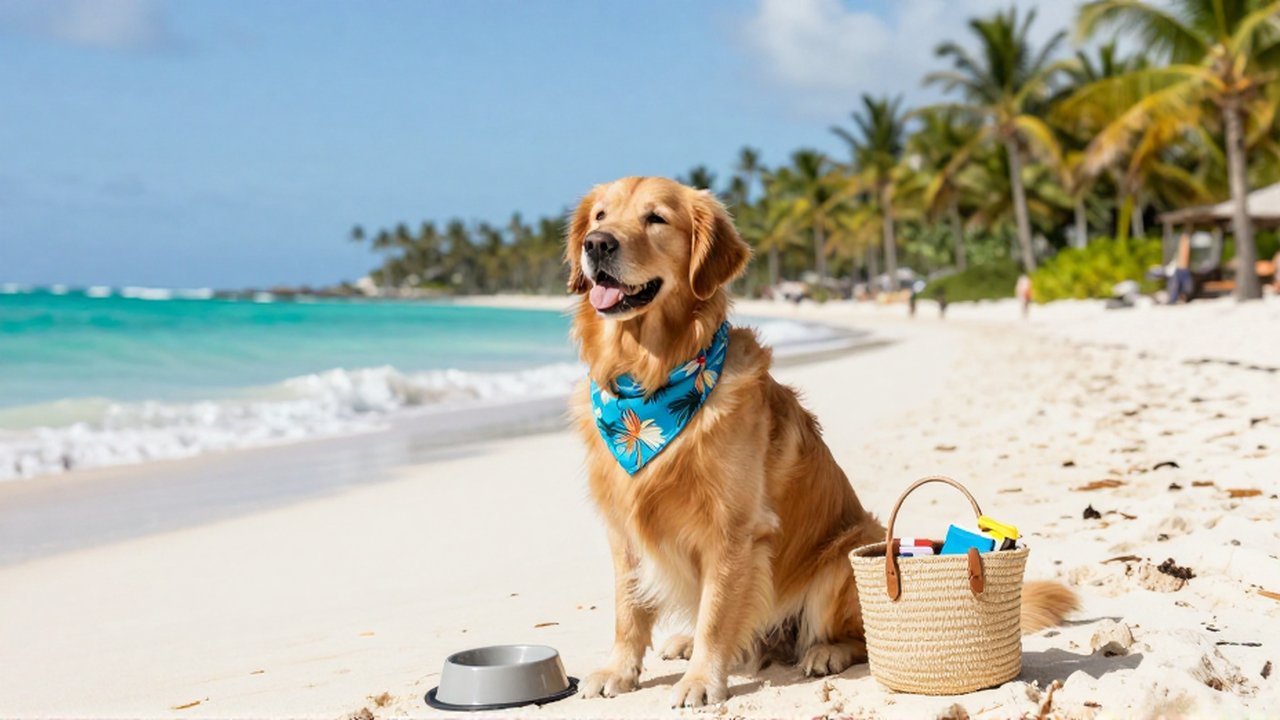
Traveling through the Dominican Republic involves navigating a tropical climate that can be taxing on animals. Regardless of whether you are in Punta Cana or Samana, certain logistical steps are non-negotiable for a safe excursion, and preventing heatstroke in pets in the Caribbean starts with planning around the daily temperature curve. Being prepared can mean the difference between a memorable trip and an emergency vet visit.
First, always prioritize temperature control. The Caribbean sun is intense, and pets can suffer from heatstroke much faster than humans. Always carry a portable shade structure or a cooling mat if you plan to stay in one place for a while. Second, manage nutrition carefully. Tropical heat can cause digestive sensitivity, so avoid giving your pet new or heavy treats while traveling.
A well-packed excursion kit should include: 1. Collapsible water bowls for easy access during walks. 2. Fresh, bottled water to avoid potential stomach upsets from local tap water; safe water for pets in the Dominican Republic means sticking to sealed bottles. 3. Pet-specific sunscreen for dogs with light skin or thin hair. 4. A first-aid kit containing antiseptic wipes and bandages, ideally assembled as a dedicated pet first aid kit for the Caribbean.
Safety considerations and local limitations
It is important to recognize that not all activities in the Dominican Republic are suitable for pets. For example, boat tours to remote islands or whale-watching excursions in Samana are generally not pet-friendly due to safety regulations and the confined space of the vessels. Always contact local tour operators in advance to confirm their specific policies regarding animals.
Another risk factor involves the local fauna. While most encounters are harmless, being aware of stray dogs in public areas or local wildlife is necessary. Keeping your pet close and maintaining a consistent leash protocol helps minimize these risks. Furthermore, remember that while the scenery is beautiful, some tropical plants can be toxic; keeping your pet from grazing on unknown vegetation is a simple but effective safety measure.
Frequently asked questions
Can I take my dog to any beach in Punta Cana? Not all beaches allow pets, especially those directly managed by large resorts. It is best to look for public access points or more secluded stretches of coastline, and always check local signage or ask residents about pet-friendly zones.
How can I prevent my pet from overheating during excursions? The best methods are avoiding the peak sun hours (11:00 AM to 4:00 PM), providing constant access to fresh water, and using cooling vests or shade. Learn to recognize dog heat exhaustion symptoms, such as excessive panting, drooling, or lethargy, and if they appear, seek shade and cool your pet down immediately.
Is it safe to let my pet drink local water in Samana? It is generally safer to provide your pet with bottled water. The mineral content and potential bacteria in local water sources can cause gastrointestinal distress in pets not accustomed to the local environment.
What should I do if my pet gets injured during a hike? Carry a basic pet first-aid kit and know the location of the nearest veterinary clinic in the region you are visiting. For minor scrapes, clean the area with antiseptic; for any significant injury or signs of heatstroke, seek professional veterinary assistance immediately.
Leave a Reply