
How to schedule puppy vaccinations in the Dominican Republic

Introduction
Welcoming a new puppy into your home in the Dominican Republic is an exciting milestone, but it brings the critical responsibility of establishing a preventive health routine. Vaccination is the most effective way to protect young dogs from life-threatening diseases such as parvovirus, distemper, and rabies, which are prevalent in tropical climates. Following a puppy vaccination schedule Dominican Republic veterinarians recommend ensures that the developing immune system receives the necessary stimulation at the right developmental windows to build lasting immunity.
Managing a vaccination calendar requires understanding local veterinary standards and the specific risks associated with the Caribbean environment. By following a structured plan, you not only safeguard your pet's immediate health but also contribute to the overall animal welfare and public health of your community. This guide provides the essential steps to navigate the process of scheduling and administering your puppy's essential shots within the country.
Essential puppy vaccines in the Dominican Republic
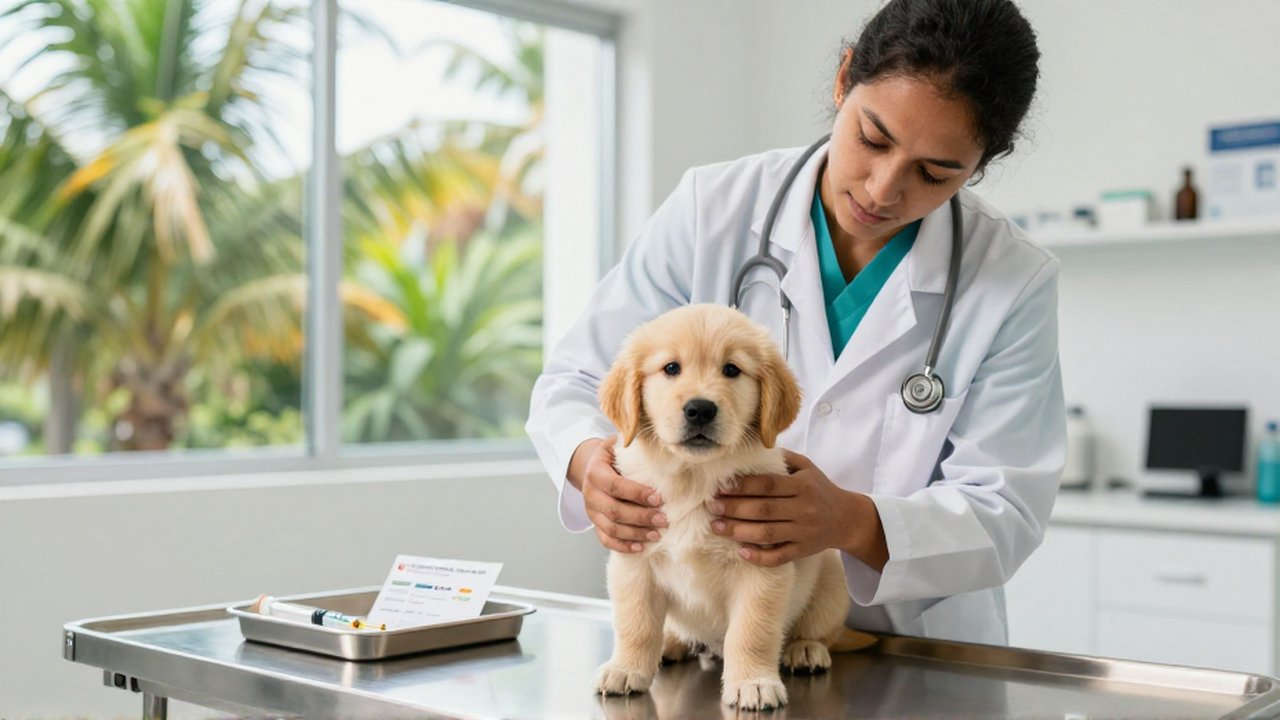
When scheduling vaccinations, it is vital to distinguish between core vaccines, which every puppy needs, and non-core vaccines, which depend on lifestyle and local environment. In the Dominican Republic, veterinarians typically prioritize a series of shots starting around six to eight weeks of age, with the core vaccines for puppies Dominican Republic clinics administer covering distemper, hepatitis, and parvovirus.
The core vaccines usually include the distemper, hepatitis, and parvovirus complex (often administered as a single combination shot). These are crucial because these diseases spread easily through the environment and can be fatal to young puppies. Additionally, the rabies vaccine is a mandatory requirement in the Dominican Republic for both legal compliance and public safety, as it prevents the transmission of a disease that affects the central nervous system; the rabies vaccine puppy Dominican Republic protocol typically begins around three months of age.
Beyond these, your veterinarian may recommend vaccines for Leptospirosis, particularly if your puppy will have access to outdoor areas where wildlife or stray animals may roam, as this bacteria can be found in contaminated soil or water.
Steps to organize a vaccination schedule
Creating a successful vaccination plan involves more than just booking an appointment; it requires a systematic approach to ensure the doses are effective.
- Initial Veterinary Consultation: Your first step should be a comprehensive puppy wellness exam Dominican Republic veterinarians perform before any immunization. A veterinarian must confirm that the puppy is healthy, well-hydrated, and free of parasites before administering any vaccine. A sick puppy may not respond effectively to the immunization, so a thorough check-up also helps rule out conditions that could complicate the vaccination.
- Request a Vaccination Protocol: Ask your vet for a written schedule. Puppies require several doses of the same vaccine, spaced a few weeks apart, to ensure full immunity. This is known as a "booster" series, and understanding puppy booster shots timing is key: most protocols call for boosters every three to four weeks until the puppy is around sixteen weeks old.
- Coordinate with Local Availability: While most clinics in major cities like Santo Domingo or Santiago have consistent stock, it is wise to confirm that the specific brands and types of vaccines requested are available during your visit. The puppy vaccination cost Dominican Republic clinics charge can vary by brand and clinic, so asking for a price estimate during the same call helps you plan ahead.
- Maintain a Digital or Physical Record: Always request a signed puppy vaccination booklet Dominican Republic authorities recognize as the official proof of immunization. This document is essential for travel, boarding facilities, and showing proof of health to authorities, and it also helps you track puppy health records travel Dominican Republic requirements if you plan to move abroad with your pet.
Factors affecting vaccine timing and effectiveness

Several variables can influence when your puppy should receive their shots and how they respond to them. The tropical climate of the Dominican Republic plays a role, as high humidity and heat can affect the storage and stability of biological products; this is one of the main factors affecting vaccine effectiveness tropical climate conditions present, so always confirm that the clinic maintains a proper cold chain.
Environmental exposure is a primary concern. If you live in an area with high populations of stray animals, your veterinarian might suggest starting the series slightly earlier or being extra cautious about keeping the puppy indoors until the full series is complete.
Internal and external parasites also matter. Puppies with heavy loads of intestinal worms or ticks may have a compromised immune system, making vaccinations less effective. Most veterinarians recommend a deworming before puppy vaccinations, running the protocol concurrently with or just before the vaccination schedule to ensure the immune system is focused on the vaccine rather than fighting parasites.
Common mistakes to avoid when scheduling shots
One of the most frequent mistakes is accelerating the schedule to allow the puppy to socialize sooner. While it is tempting to take a puppy to a park or a pet-friendly café, doing so before the final booster is administered exposes them to high risks of infection.
Another error is skipping booster doses. A single shot does not provide lifelong immunity; the "booster" shots are what build the lasting defense. Missing these windows can leave gaps in protection that pathogens can exploit. Finally, avoid relying on informal sources for vaccinations. Always ensure that vaccines are administered by a licensed professional in a controlled clinical setting to guarantee temperature regulation and proper administration techniques.
Frequently asked questions
How long should I wait before letting my puppy play with other dogs? You should wait until your puppy has completed the full series of core vaccinations and received the vet's clearance, typically around 16 weeks of age, to minimize the risk of infectious diseases.
Are rabies vaccinations mandatory in the Dominican Republic? Yes, rabies vaccination is a critical health requirement for dogs in the country to protect both the pet and the human population from the virus.
Can I vaccinate my puppy if it has diarrhea? It is generally recommended to wait. If a puppy is showing signs of illness, such as diarrhea or lethargy, the veterinarian will likely postpone the vaccination until the puppy is healthy to ensure a proper immune response. This is a common vaccination mistake puppy care owners make when they rush to keep the schedule, so always prioritize the puppy's health over the calendar.
Why does my puppy need multiple shots for the same disease? Puppies are born with some maternal antibodies from their mother's milk, which can interfere with vaccines. Multiple doses at intervals are necessary to ensure the puppy's own immune system takes over and provides long-term protection.
Leave a Reply