
Safety tips for protecting pets from stinging insects
Introduction
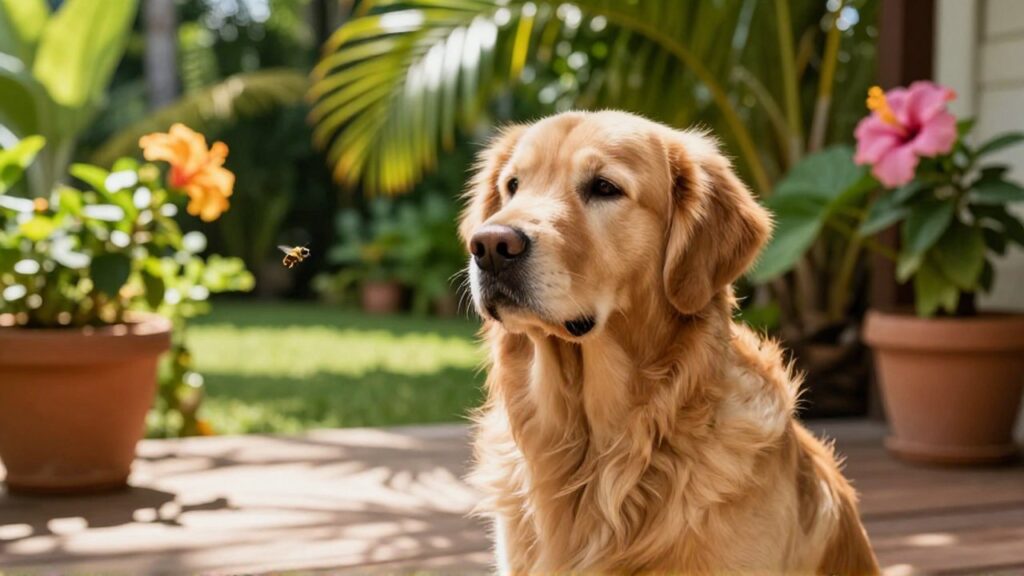
Living in tropical environments like the Dominican Republic means sharing your space with a vibrant array of wildlife, including various stinging insects such as bees, wasps, and ants. While these creatures play vital roles in the local ecosystem, they can pose significant health risks to domestic pets. Protecting your animals from unexpected stings is essential for preventing localized discomfort and, more importantly, life-threatening allergic reactions that can occur without warning.
Understanding how to identify risks and respond to incidents is a fundamental part of responsible pet ownership. This guide provides practical strategies to minimize the chances of your pet encountering harmful insects and outlines the necessary steps to take if a sting occurs. By staying vigilant and prepared, you can ensure that outdoor playtime and nature walks remain safe and enjoyable experiences for your companions.
Common stinging insects to watch for
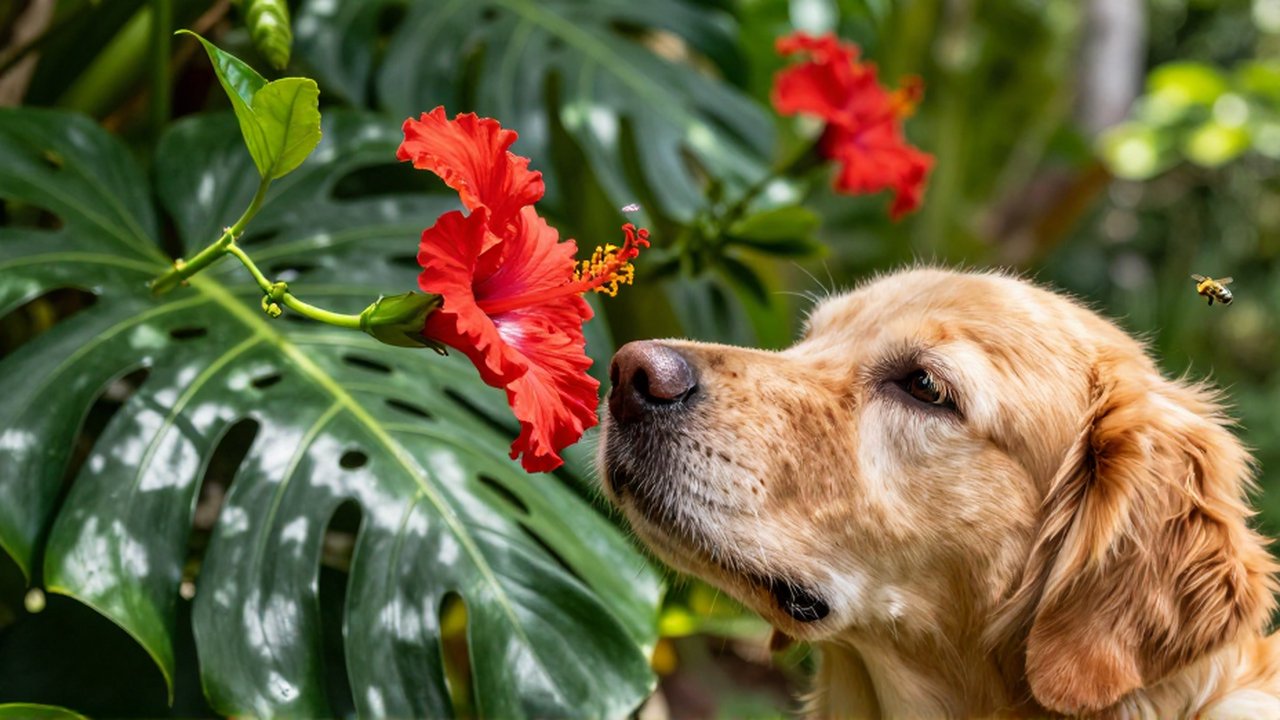
Recognizing the types of insects that pose a threat is the first step in preventing bee stings in dogs and wasp stings in cats. In tropical regions, several species are particularly common and can be quite defensive. Bees are frequent visitors to gardens and flower beds; while often docile, they may sting if they feel their hive is threatened or if a pet accidentally bumps into them. Wasps and hornets are generally more aggressive and can be found nesting in eaves, hollow trees, or even underground.
Ants also present a unique challenge, and stinging ants are a notable concern for pets in the Dominican Republic. While many species are harmless, certain biting or stinging ants can cause significant irritation or even systemic reactions if a pet ingests them or receives multiple stings in a concentrated area. Being aware of where these insects congregate—such as near food bowls, pet bedding, or shaded garden areas—allows you to proactively manage your pet's environment.
Preventive measures for outdoor safety
Reducing the likelihood of a sting involves a combination of environmental management and observant care, which is the foundation of pet outdoor safety around insects. One of the most effective methods is to keep your pet's immediate living areas clean and free of attractants. Ensure that pet food bowls are cleaned regularly and that spilled kibble is swept up quickly, as sugary or protein-rich remnants can attract wasps and ants.
When spending time outdoors, consider the following precautions:
- Frequent Supervision: Never leave a pet unattended in areas with dense vegetation or near flowering plants where insects are most active.
- Time of Day Awareness: Many stinging insects are most active during the warmest parts of the day. Adjusting walk times to cooler periods may reduce encounters, a simple way of preventing bee stings in pets during peak activity.
- Visual Checks: Before allowing your pet to explore a new patch of grass or a garden bed, do a quick scan for visible nests or high insect activity.
- Avoid Fragrances: Strong scents in pet shampoos or grooming products can sometimes attract certain insects. Opt for neutral scents during the warmer seasons.
Identifying symptoms of an insect sting

It is crucial to distinguish between a minor localized reaction and a medical emergency. Most stings result in immediate swelling, redness, and localized pain at the site of the sting, and insect sting swelling in dogs is one of the most common reasons owners seek advice. Your pet may lick the area excessively or show signs of mild discomfort. These are common responses that usually subside with monitoring and gentle care.
However, you must be prepared to recognize the signs of anaphylaxis in pets, which is a severe and potentially fatal allergic response. These symptoms often appear much faster than a standard reaction and include:
| Symptom Category | Signs to Monitor |
|---|---|
| Respiratory | Difficulty breathing, wheezing, or heavy panting |
| Physical Swelling | Swelling of the face, muzzle, throat, or abdomen |
| Circulatory | Weakness, lethargy, or sudden collapse |
| Digestive | Vomiting or sudden diarrhea |
If you observe any of these systemic signs, seek immediate veterinary assistance. Time is of the essence when dealing with severe allergic reactions, and knowing the pet allergy symptoms of an insect bite can help you act before the condition worsens.
Immediate steps after a sting occurs
If you witness your pet being stung, stay calm to avoid escalating their distress. If the insect is a honeybee, the stinger may still be embedded in the skin. Attempt to remove it by gently scraping it away with a flat object, such as a credit card, which is the safest method of removing a bee stinger from a pet. Avoid using tweezers to squeeze the stinger, as this can accidentally inject more venom into the pet.
Once the stinger is removed, you can apply a cool compress to the area to help reduce swelling and soothe the pain, a standard form of pet sting first aid. Continue to monitor your pet closely for several hours. While a local reaction might seem manageable, a delayed allergic reaction is still possible. Keep your pet in a quiet, controlled environment where you can easily observe their breathing and behavior.
Frequently asked questions
Can a single sting be fatal to a pet? While many stings only cause minor swelling, a single sting can be fatal if the pet is highly allergic or if the sting occurs in a sensitive area like the mouth or throat, causing airway obstruction. This is why recognizing the signs of an insect sting in dogs early is so important.
How can I tell if my pet is having an allergic reaction? Localized swelling is common, but an allergic reaction is characterized by systemic symptoms such as facial swelling, vomiting, difficulty breathing, or extreme lethargy.
Should I give my pet human medication for stings? You should never administer human medications to your pet without direct instruction from a veterinarian. Some human medications are toxic to animals, and a professional must determine the correct dosage and type of treatment.
Is it safer to keep pets indoors during certain seasons? While it is impossible to keep pets indoors constantly, being extra vigilant during peak insect activity periods or during high-heat days can help minimize the risk of encounters. Keeping pets safe from wasps and other stinging insects is largely a matter of consistent supervision and habitat management.
Leave a Reply