
How to prevent tartar buildup in adult dogs

Introduction
Dental health is a critical component of a dog's overall well-being, much like it is for humans. Tartar, also known as dental calculus, is a hard, yellowish-brown deposit that forms on the teeth when plaque is not properly removed. If left unmanaged, this accumulation can lead to periodontal disease, causing inflammation, tooth loss, and even systemic health issues such as heart or kidney complications. Preventing tartar in adult dogs is therefore one of the most valuable habits you can establish for your pet's long-term health.
Preventing tartar buildup in adult dogs requires a proactive and consistent approach to hygiene. Once tartar has hardened on the enamel, it generally cannot be removed with regular brushing; it requires professional veterinary intervention. Therefore, the primary goal for pet owners is to prevent the initial formation of plaque and its subsequent mineralization through daily maintenance and dietary management, rather than trying to reverse damage that has already set in.
Implementing a dental care routine early in a dog's adult life can significantly extend their lifespan and improve their quality of life. By understanding the mechanics of dental buildup and adopting effective cleaning habits, you can protect your pet from the discomfort and high costs associated with advanced oral disease.
Importance of daily oral hygiene

The most effective way to combat tartar is through the regular mechanical removal of plaque. Plaque is a soft, sticky film of bacteria that constantly forms on the teeth. If it remains on the tooth surface for more than 24 to 48 hours, it begins to react with the minerals in your dog's saliva, turning into hard, calcified tartar. This is why daily dental care for dogs is so strongly recommended by veterinary professionals.
Brushing your dog's teeth is the gold standard for prevention, and learning how to brush the teeth of an adult dog correctly makes a real difference. This process should ideally be performed daily. When brushing, you should focus on the gum line, as this is where bacteria tend to congregate and cause the most damage. Use only products specifically formulated for dogs; human toothpastes often contain ingredients like xylitol or certain fluoride levels that can be toxic to canines.
If your dog is resistant to brushing, you can incorporate alternative hygiene tools. These include dental wipes, finger brushes, or water additives designed to reduce bacterial load. However, while these methods are helpful, they are generally considered supplementary to the mechanical action of a toothbrush and should not replace it entirely.
Role of nutrition in dental health
What your dog eats plays a significant role in how quickly plaque accumulates, which is why nutrition and dental health in dogs are closely linked. High-carbohydrate diets can sometimes contribute to faster plaque buildup because the sugars and starches provide a substrate for bacteria to thrive. Choosing foods with a coarser texture can help reduce the amount of plaque that settles on the enamel.
| Dental Support Method | How it Works | Limitation |
|---|---|---|
| Dental Chews | Mechanical scraping as the dog chews. | Must be vet-approved to avoid choking. |
| Specialized Dental Diets | Large kibble size and specific fiber levels. | May not replace the need for brushing. |
| Raw Bone Chewing | Natural abrasion against the enamel. | Risk of tooth fractures or intestinal issues. |
Specialized dental diets are engineered with specific kibble shapes and textures that encourage a chewing motion, helping to "scrub" the teeth as the dog eats. Additionally, choosing high-quality, nutrient-dense foods can support overall gum health. Always monitor the texture of the food and ensure it is appropriate for your dog's age and dental sensitivity. Veterinary dental diets are among the most reliable options, as they are formulated and tested specifically for plaque control.
Common mistakes in canine dental care
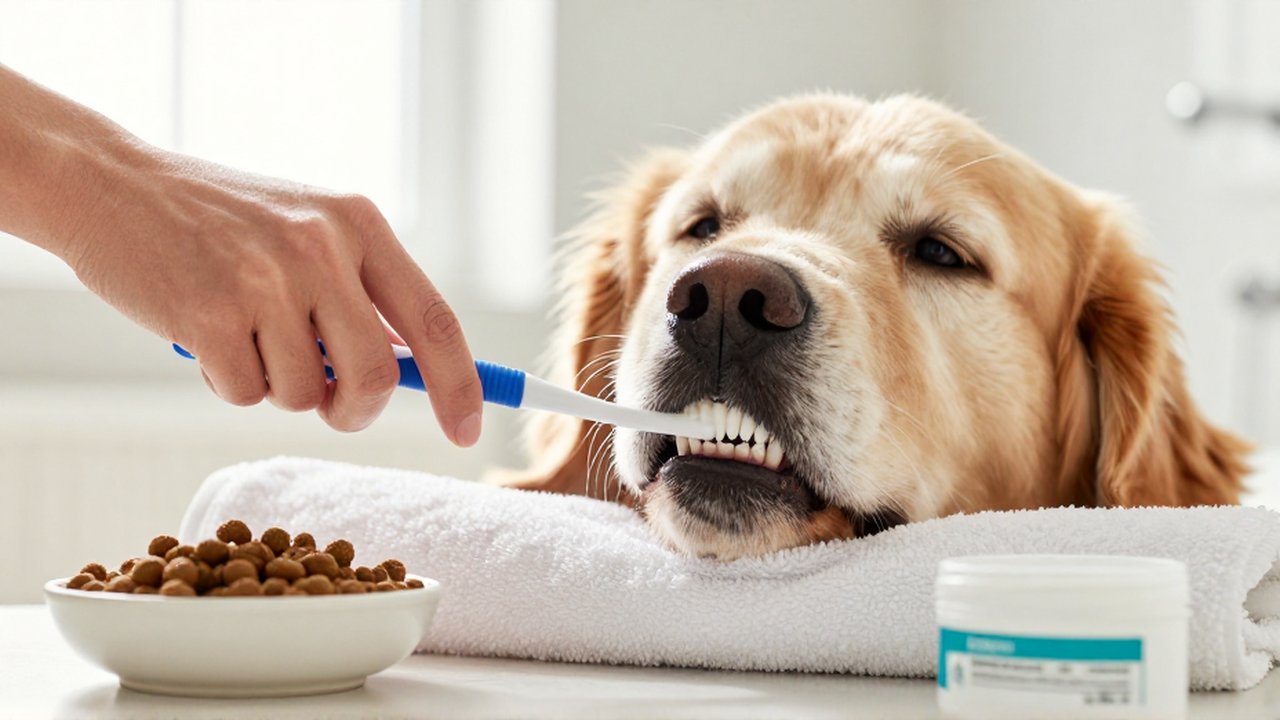
Many pet owners fall into traps that inadvertently allow tartar to accumulate. One common error is the use of "dental treats" as a substitute for actual cleaning. While many treats claim to help with breath or plaque, they are often highly processed and may not provide enough mechanical abrasion to actually clean the tooth surface. This is one of the most frequent mistakes in canine dental care, and it can give owners a false sense of security.
Another frequent mistake is neglecting the gums. Many owners focus only on the visible parts of the teeth, but periodontal disease begins in the sulcus—the small pocket between the tooth and the gum. If bacteria are trapped in these pockets, tartar will form underneath the gum line, where it is much harder to detect and treat.
Finally, waiting until you notice bad breath to address dental hygiene is a mistake. Halitosis in dogs is often a late-stage sign that significant bacterial buildup or infection is already present. Prevention should be a routine part of your pet's lifestyle, not a reaction to visible symptoms, and a persistent odor warrants a prompt veterinary dental check rather than a quick fix.
Regular professional veterinary examinations
Despite the best efforts at home, professional veterinary care remains a cornerstone of dental prevention. Even with daily brushing, small amounts of calculus can still form in hard-to-reach areas. Scheduling a routine veterinary dental examination at least once a year helps catch problems before they progress.
During a routine check-up, a veterinarian will perform an oral examination to look for redness, bleeding, or significant tartar deposits. They can also identify early signs of tooth decay or gum recession that are not visible to the untrained eye. In many cases, a professional dental cleaning for dogs under anesthesia is necessary to clean beneath the gum line and remove hardened tartar that a toothbrush cannot touch.
Maintaining a schedule of regular veterinary visits ensures that any emerging dental issues are caught in their infancy, preventing the need for more invasive and expensive surgical extractions later in life.
Frequently asked questions
Can I use human toothpaste on my dog? No. Human toothpaste often contains ingredients such as xylitol, which is highly toxic to dogs, and other chemicals that can cause gastrointestinal upset. Always use a toothpaste specifically designed for dogs.
How often should I brush my dog's teeth? For optimal results, brushing should be done daily. If daily brushing is not possible, aim for at least three times a week to prevent plaque from hardening into tartar. Consistency matters more than intensity, so build the habit gradually if your dog is not used to it.
Does dental water additive actually work? Water additives can help reduce the concentration of bacteria in the mouth and can be a useful tool for dogs that refuse brushing, but they should be viewed as a supplement rather than a replacement for mechanical cleaning.
How do I know if my dog has dental disease? Signs to watch for include persistent bad breath, difficulty eating or dropping food, bleeding gums, or a visible layer of brown/yellow buildup on the teeth. If you notice these, consult a veterinarian.
Leave a Reply